
Kenya Tourism Weighs Cost of Introducing Electric Vehicles to Wildlife Parks
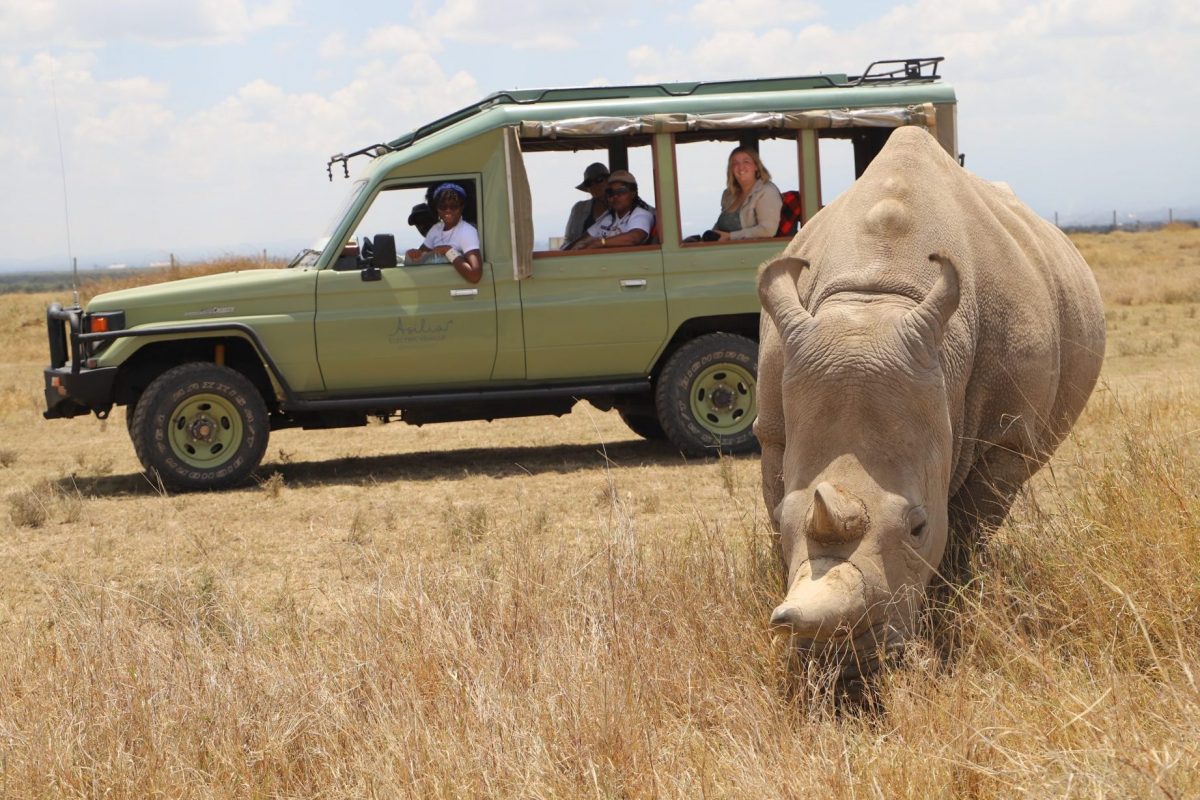
Photo Credit: Kenya tourism faces the dilemma of adhering to climate change guidelines versus the cost of electric vehicles for use in wildlife parks. Asilia Ol Pejeta Bush Camp
Skift Take
Kenya is a case study for global tourism, striving to meet climate change goals but struggling with the expense to do that, especially coming off two incredibly tough years without business.
Kenya recently announced that its national parks and game reserves will only allow non-fossil fuels to access it national parks and game reserves by 2030. In addition, all hospitality and tourism facilities will be required to adapt renewable energy and circular economy in their operations. The cabinet secretary for tourism in Kenya stated that this was a necessary move being that Kenya is a founding member of the newly launch of sustainable tourism global center.
But the move will come with enormous challenges — mainly the cost of electric vehicles in Kenya's storied park lands.
This comes as the industry confronts that transportation is tourism's main source of greenhouse gas emissions. On average, planes and cars generate the most CO2 per passenger mile, with tour buses, ferries, and trains coming well behind. Following the recent United Nations climate change summit in Glasgow, nearly 200 countries have committed to revisit and streng