













Q&A: Africa Emerges as the Next Frontier of Luxury Travel

Millat Group + Skift
SKIFT TAKE
Across Africa, luxury travel is evolving beyond gated resorts and safari lodges toward experiences rooted in culture, creativity, and community. With rising investment, expanding airlift, and a young generation seeking purpose-driven experiences, the continent is redefining what modern luxury means.
Africa’s luxury travel sector is entering a defining phase shaped by shifting global demand, youthful demographics, and rising investor confidence. According to the World Travel & Tourism Council, Africa’s travel and tourism sector could add more than $350 billion to the continent’s economy over the next decade if supported by the right policy environment. This momentum is fueled by a growing middle class and expanding air connectivity. At the same time, Skift Research finds that nearly eight in 10 travelers in Saudi Arabia and the UAE plan to take a luxury trip in the next 12 months, highlighting a powerful new corridor between Africa and the Middle East that is reshaping regional tourism flows.
Amid this transformation, luxury is being redefined to emphasize authenticity over excess and connection over convention. The conversation is no longer about importing global templates but about creating experiences that reflect Africa’s distinctive rhythm, creativity, and hospitality. One company helping lead this shift is the Millat Group, a Johannesburg-based private equity firm that invests across real estate, technology, and hospitality. Under the leadership of CEO and founder Hamza Farooqui, Millat’s recent debut of Park Hyatt Johannesburg exemplifies how local innovation and global collaboration can together redefine modern luxury.
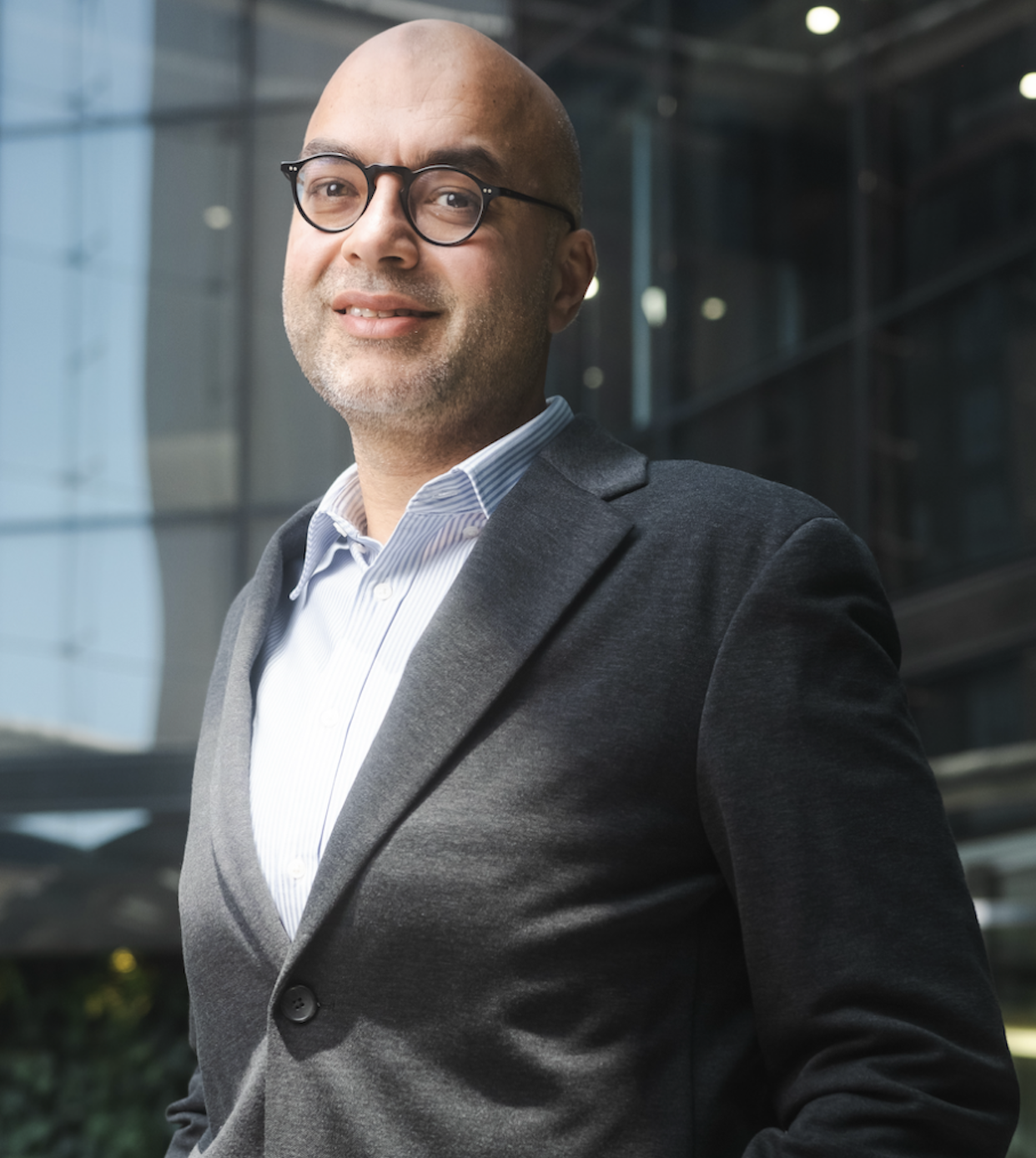
Skift: Africa is often described as “rising.” Why do you believe it’s now at a true crossroads?
Hamza Farooqui: I think it’s thanks to where the world is today and, especially, to the younger generation that’s begun to seek purpose and meaning in travel. People are no longer satisfied with simply walking down a shopping street in London or Paris. They want experiences that feel connected to something greater — to nature, to humanity, to authenticity. If there’s one place that embodies that sense of connection, it’s Africa.
At a macro level, spending across travel and wellness is growing faster than almost any other sector. Africa offers both, and it does so in the most natural way possible. The continent doesn’t have to manufacture authenticity. It already exists here. That combination makes Africa a truly compelling destination right now.
What does “modern luxury” mean to you today — and how are guest expectations evolving in South Africa and beyond?
Modern luxury is about removing friction and creating moments of anticipation. At Park Hyatt Johannesburg, we didn’t just open a beautiful hotel. We rethought what arrival means. Guests are contacted before they even arrive, so we’re waiting to greet them personally, just as a family would welcome someone home.
Luxury today is not about marble lobbies. It’s about being seen and understood. It’s about delivering something so intuitive and seamless that it feels natural. The challenge is execution: everyone can talk about personalization or experience, but very few can consistently deliver it. That’s the bar we’ve set for ourselves.
Beyond the safari, what defines Africa’s new luxury story?
Safari has long defined Africa’s allure, but it’s merely the starting point. The next chapter of African luxury is taking shape in cities and coastal regions that embody the continent’s creativity and sophistication.
What we’re building in Johannesburg proves that world-class experiences don’t require a safari backdrop. They require attention to detail, emotional connection, and an understanding of how to make people feel special. And because labor remains accessible and service-oriented, Africa can deliver this kind of high-touch experience better than most markets.
What are some locally inspired touches that define Millat’s approach?
It starts with food. When you taste authentic South African dishes or visit the Western Cape, you realize the quality and freshness are world-class. We’re building on that by working with local producers, chefs, and farmers to elevate what’s already exceptional.
Beyond food, it’s about the spirit of service — warmth, generosity, and anticipation. These qualities are innate here. You don’t need to teach South Africans how to care; you just need to give them the tools to express it in a luxury context.
Wellness is now one of the new status symbols. How does that play out in your properties?
Wellness, for me, isn’t about buildings or branded spas. It’s about place. In Africa, wellness comes from breathing fresh air under an open sky, from doing Pilates by the pool with the scent of the bush around you, from being in rhythm with nature.
We’re moving beyond the treadmill and CBD oil culture. Africa can offer something deeper and more restorative — wellness that feels lived rather than performed. That’s what we’re trying to scale beyond the safari lodges into everyday urban luxury.
What misconceptions do you encounter from global investors about Africa’s potential?
Many still see Africa as risky or underdeveloped, but that’s an outdated lens. Yes, execution can be challenging, but the opportunity here is enormous. What’s needed is patient capital. We need investors who can take a five- or ten-year view rather than chasing quarterly returns.
The fundamentals mirror those of South America twenty years ago: a young population, an expanding middle class, and vast natural and cultural wealth. Once a few institutional players make that conviction call — the Blackstones or KSLs of the world — the floodgates will open.
You’ve spoken about the Africa–Middle East corridor. Why is that connection so important?
The Middle East will be the aviation and investment bridge that unlocks Africa’s next phase of growth. Gulf carriers, such as Emirates and Etihad, are already increasing their lift into the region, and African nations should capitalize on that momentum through open-skies policies.
It’s a reciprocal relationship. Africa isn’t just saying, “Come visit.” It’s also saying, “We’ll power your future tourism markets.” With its young population and emerging travelers, Africa is expected to fill planes, hotels, and resorts across the Middle East. It’s a two-way exchange encompassing economic, cultural, and human dimensions.
Looking ahead to 2030, what’s your vision for Africa’s luxury hospitality ecosystem?
By 2030, Africa will be the world’s largest untapped playground for travel and investment. The major hotel groups are all chasing net new growth, and they’ll find it here. But beyond numbers, I want to see Africa recognized as a creative and operational leader, not just a backdrop.
When institutional capital finally sees the scale of this opportunity and commits, that’s when everything changes. Until then, I see what we’re building — projects like Park Hyatt Johannesburg — as the amuse-bouche, the teaser. The main course is still to come.
For more information about Millat Global, click here.
This content was created collaboratively by Millat Global and Skift’s branded content studio, SkiftX.
To keep up with the trends year-round, sign up for The Daily
Skift’s morning newsletter delivers breaking news, features, and exclusive analysis from around the world straight to your inbox, five days a week.