
Microsoft Bets on Artificial Intelligence to Help It Succeed Again in Travel

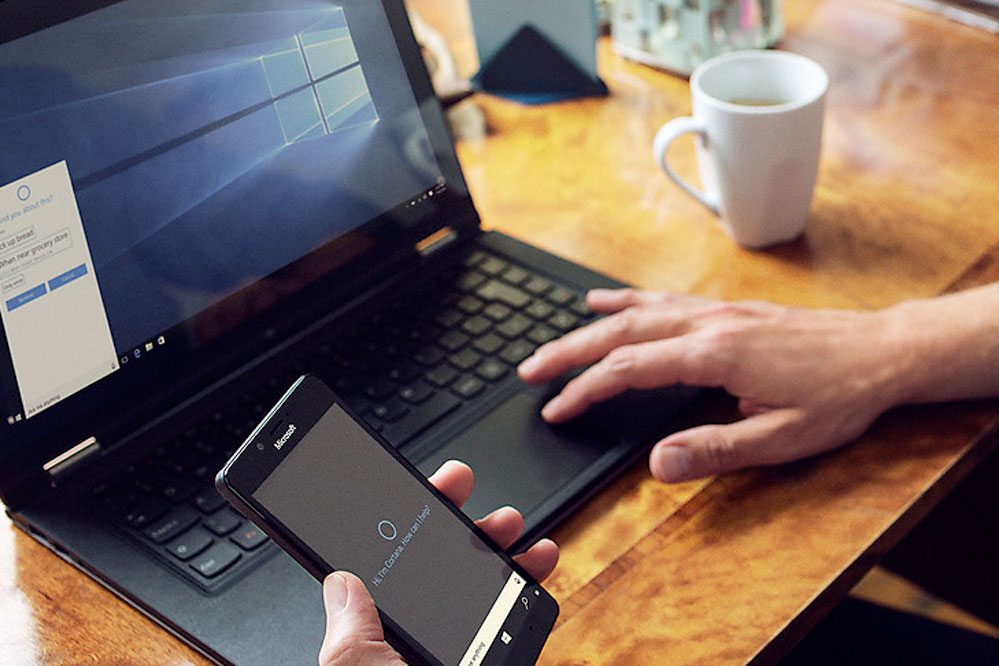
Photo Credit: Microsoft's Cortana voice assistant lets users search the web for answers via voice. A new Harman Karman device is expected to bring Cortana into more homes soon. Microsoft
Skift Take
Microsoft thinks that voice-powered internet gives it a shot — via voice assistant Cortana — at upending today's travel search funnel, which is dominated by Google's search results. The theory's plausible, but Microsoft needs to move faster to win.
With the exception of helping create Expedia, Microsoft has struggled to figure out travel. But it is hoping that artificial intelligence (AI) will be its route finally to leapfrog ahead of Google and Oracle, playing a larger role as middleman.
The example illustrates the company's current approach to the travel sector. The technology giant appears to be more interested in building "middleware services" that sit between customers and travel companies.
The company has a mixed past record of engaging with consumers on its own. For example, in 2008, it bought an airfare prediction website called Farecast for $115 million and integrated it with its flight search results on its Bing search engine. But that project, along with the MSN Travel mobile app, didn't gain traction with consumers.
The company's focus now is on the new AI and cognitive computing layers that it predicts are going to disrupt travel. By 2018 half of all consumers will interact with cognitive computing, thanks