
JetBlue Lays Out a Growth Plan by Doubling Down on 3 U.S. Cities
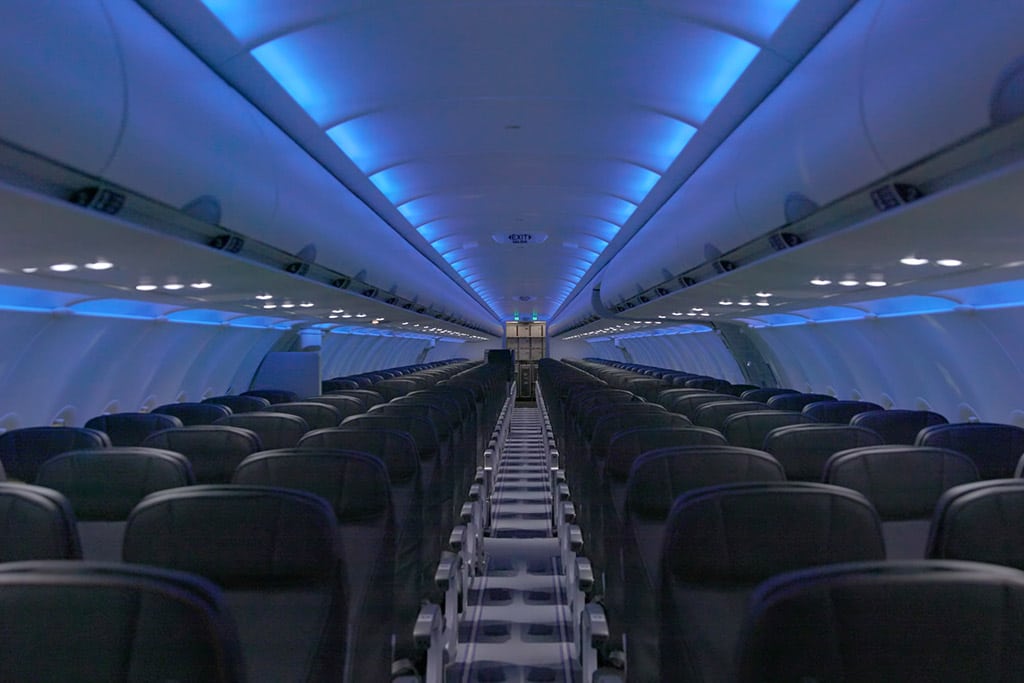
Photo Credit: JetBlue is retrofitting its oldest aircraft in a project slated for completion by 2020. The airline says customer satisfaction for the updated jets is higher than before, even though seating is more dense. JetBlue
Skift Take
United President Scott Kirby likes to say that if an airline is not first in market share in a market, it's as good as being last. JetBlue executives likely don't agree. They generally argue that JetBlue, America's sixth-largest carrier, is big enough to compete with more established competitors.
JetBlue Airways executives like to talk about how they're building a "challenger brand," marketing speak for an company that is neither market leader nor a niche brand, but still helps set the tone for how an industry evolves.
For many undersized companies, this can be a sound strategy, as challengers can lead through their investments in technology and other innovations.
But among airlines, success is often defined by size. The biggest carriers, such American Airlines, United Airlines and Delta Air Lines, can fly their customers nearly everywhere they want to go, directly or through partners.
JetBlue can't — it's only big in a handful of cities on the East Coast — and as a result, it sometimes struggles to win corporate accounts and other lucrative business. JetBlue had sought to acquire Virgin America as a quick way to increase its scale and West Coast schedule, but Alaska Airlines outbid it.
On Tuesday, JetBlue held an investor day in New York, and executives assured