
Best Western: A Hotels Anomaly Ripe for Change
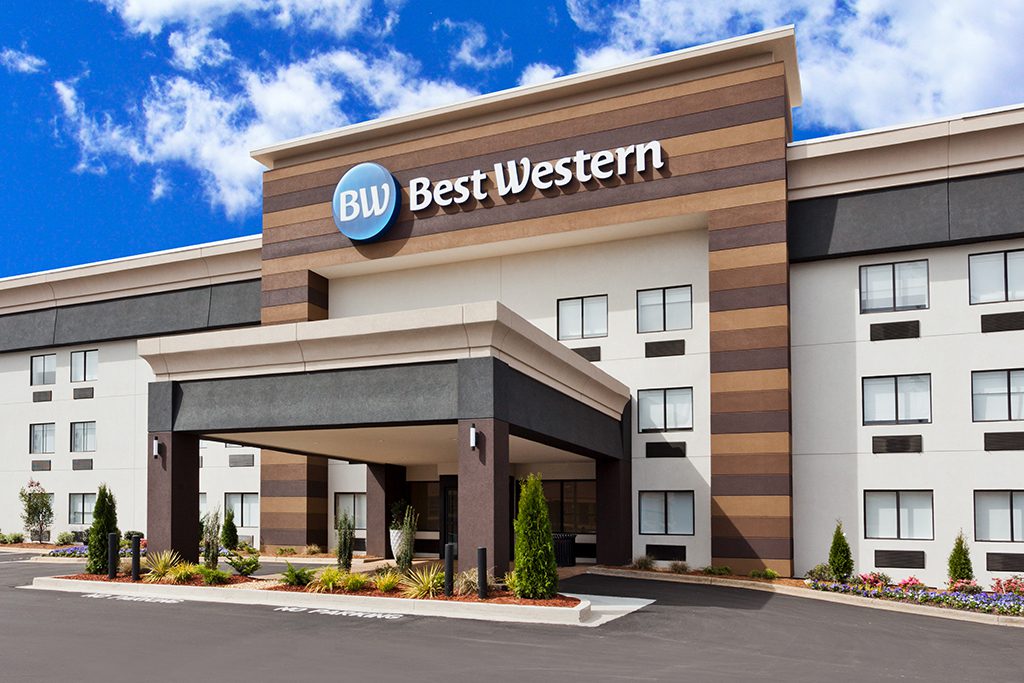
Photo Credit: A Best Western property in Montgomery, Alabama. BWH Hotel Group, the umbrella organization to Best Western Hotels & Resorts and WorldHotels, is unique among large hotel chains in that it operates as a nonprofit enterprise with member-owners. Best Western Hotels & Resorts
Skift Take
Best Western's unique longstanding model gives much power to its member hotels. But as changes quickly alter the industry's landscape, can the chain still compete effectively under the old ways?
Best Western Hotels & Resorts last summer asked its North American member-owners to agree to convert the company from a nonprofit to a for-profit enterprise.
The members voted it down.
It was a disappointment for Best Western’s top management, who believed becoming a for-profit company could help it compete with Marriott, Hilton, IHG, and other major hotel companies.
So it goes at Best Western, truly an anomaly in the rapidly changing hotel industry. With one of the longest-serving CEOs in the travel industry, it's easy to see how 74-year-old Best Western could be perceived as archaic, or even a relic from a Mad Men-era of roadside motels. Privately held, the company is complicated to outsiders, and its unique structure is what may very well be holding it back, say some company executives and industry analysts.
Longstanding CEO David Kong saw becoming for-profit as a way for the company to make the types of investments that its rivals are making, which in turn would a