First impressions still count. Luxury hoteliers need to double down on doormen and the crucial first few minutes of arrival. It changes the game of a stay.
It's time to recognize long-haul travel for what it is: an endurance event. For those making the trip instead of the Zoom, there are new imperatives that premium brands need to serve up to cater to these travelers. Hint: it doesn't look like the luxury of the past.
What is required for the new normal of crossing borders while living with Covid is government coordination, user experience, simplicity, and accessibility when it comes to registering and sharing data. The best countries with the smartest, most streamlined approaches will win out.
With business travel down, is there a future where we see a surge in free agents untethered to loyalty plans? This might be on the horizon for certain segments.
There's a danger in the surging average daily rates as travel takes off: Luxury hotels don't have the staff or the ability to live up to inflated rates. This presents a long-term danger to carefully cultivated brands.
Answers about the future look of boutiques might be seen in a new crop of hyper-specialized properties that map design to hyper-specific interests and communities.
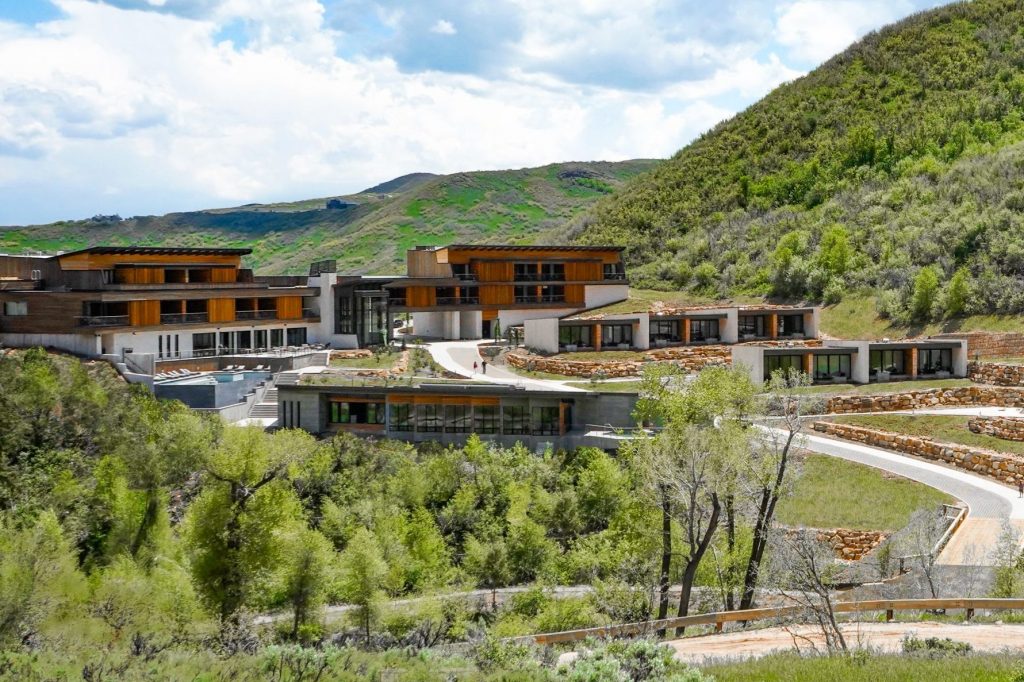
Melissa Smolik runs a world-class animal rehabilitation center and sanctuary close to Park City Utah, which lends a special aura to the adjacent luxury property that brings guests much closer to nature.
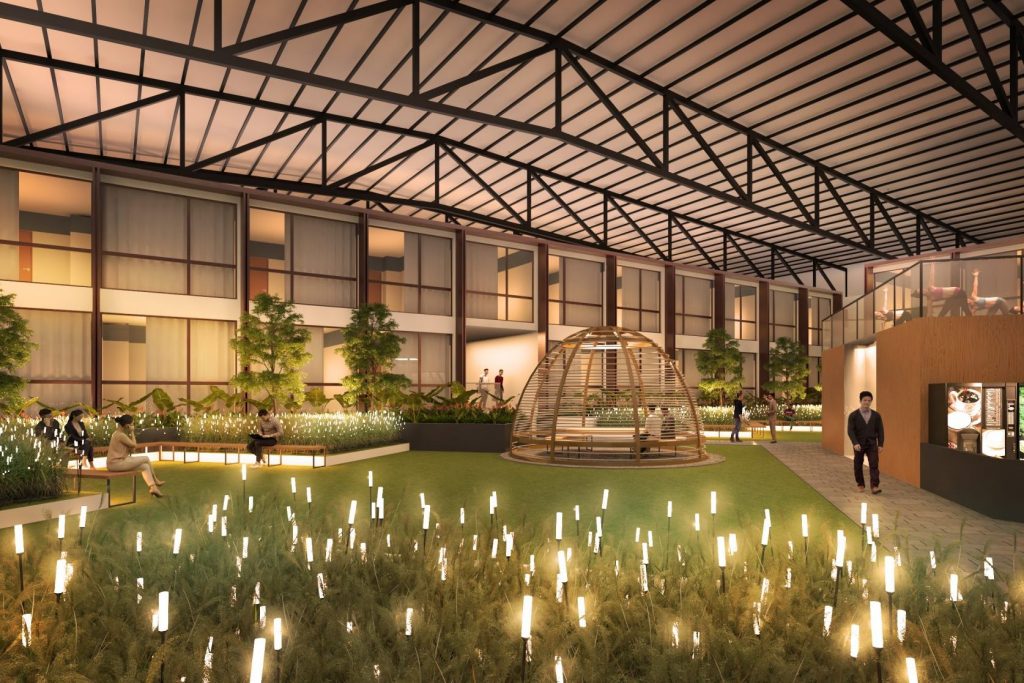
Covid has been a forcing factor in just about every facet of the travel industry. How places, spaces, and experiences are designed for the future is undoubtedly one of them. Here is how Skift has covered some of the changes in the past year.
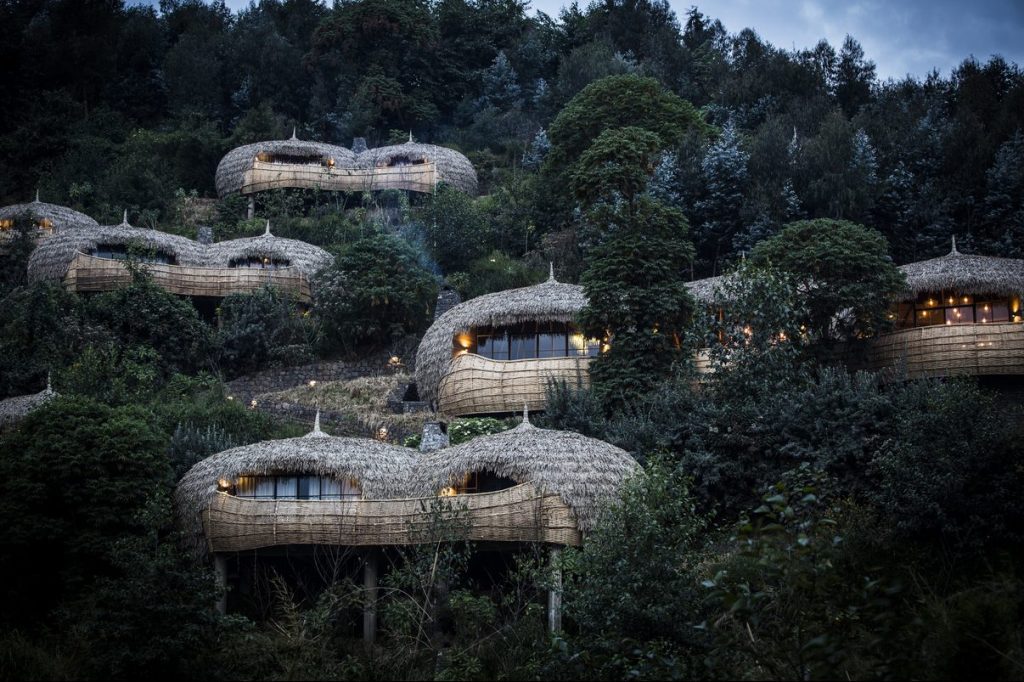
Many innovations have been born from constraints. In the case of safari lodges in Africa, the remote settings and lack of infrastructure forces architects and teams to get creative. Here are examples from the bleeding edge of innovation in sustainability, along with some hints about what is to come in developed markets around the world.