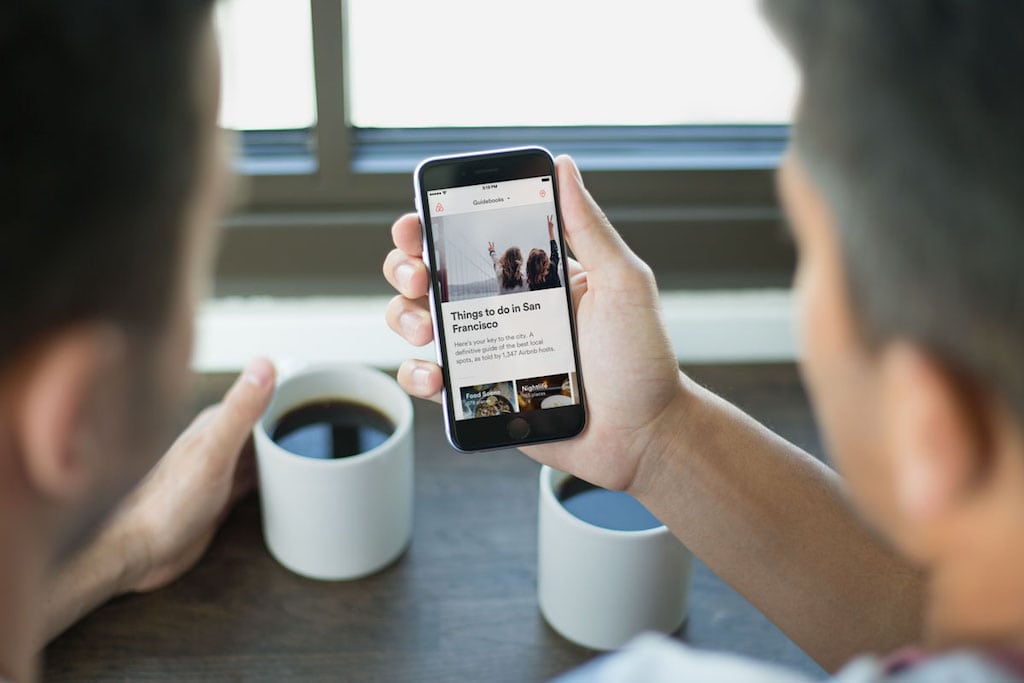
Airbnb knows that the road to worldwide acceptance (and legalization) is a long one. Joining an organization like the UNWTO brings the company one step further along in that journey.
As much as hotel companies continue to invest in mobile, digital solutions for their guests, they shouldn't overlook the simplicity of simply handing guests a printed map or a brochure, suggests a new study.
Wyndham's tongue-in-cheek, thoughtful approach to marketing economy brands and building loyalty is refreshing in a space where so many other brands try to use the latest gimmicks to appeal to consumers with considerably bigger wallets.
Wyndham Rewards is now the latest hotel loyalty program to jump on the "experiences" and "membership levels" bandwagon. But will these new additions, especially the member levels, threaten to disrupt the program's more egalitarian approach to hotel loyalty? Probably not, as long as Wyndham sticks to keeping this program as simple and easy to understand as it has been since it launched last year.
Blockchain technology has the potential to disrupt nearly every aspect of every industry imaginable. But can it overcome its predecessor's (Bitcoin) stumbles and, if so, how would it potentially work in the travel space?
At a time when a lot of brands are looking into virtual reality and 360-degree video to immerse consumers in a destination, this campaign proves that incredible visuals and a killer sense of perspective go a long way toward building brand awareness, and making consumers feel like they're right there with you.
Can these two companies--one with a somewhat questionable track record and the other, whose star has lost its luster--work together to relive their glory days? We'll see.
It's obvious that states and cities throughout the U.S. are trying to find the right balance between welcoming the sharing economy and regulating it. It's still unclear whether laws like this streamline the experience for consumers or ignore community needs when it comes to short-term rentals.