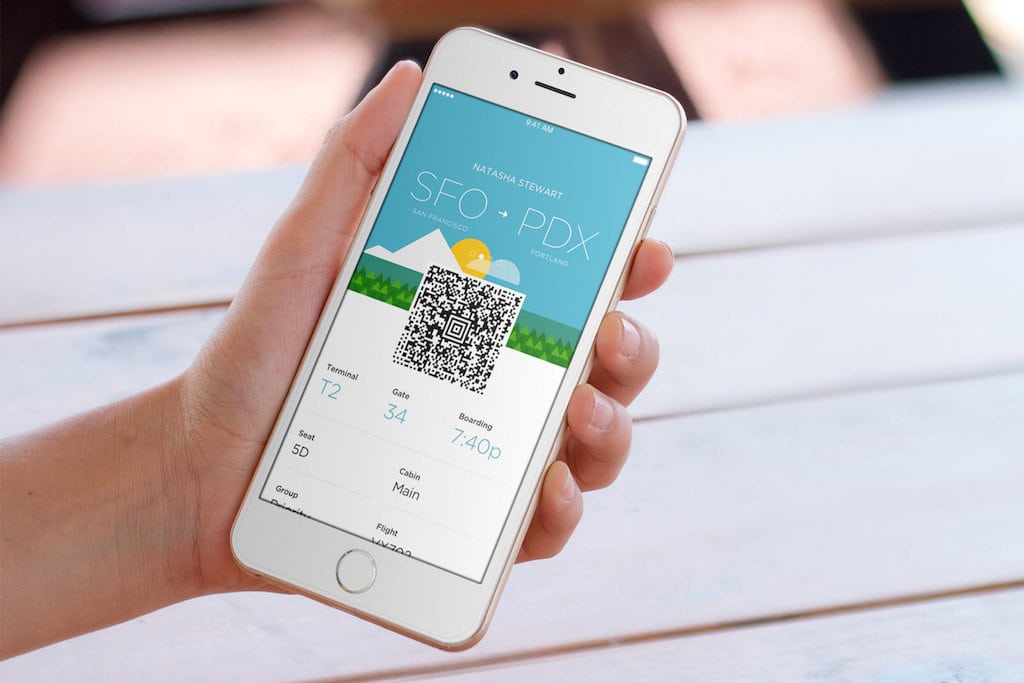
Flight searches have never really "worked" on mobile. There's simply too much detail involved with purchases to make it worthwhile. Virgin America's new mobile search interface hopes to change that.
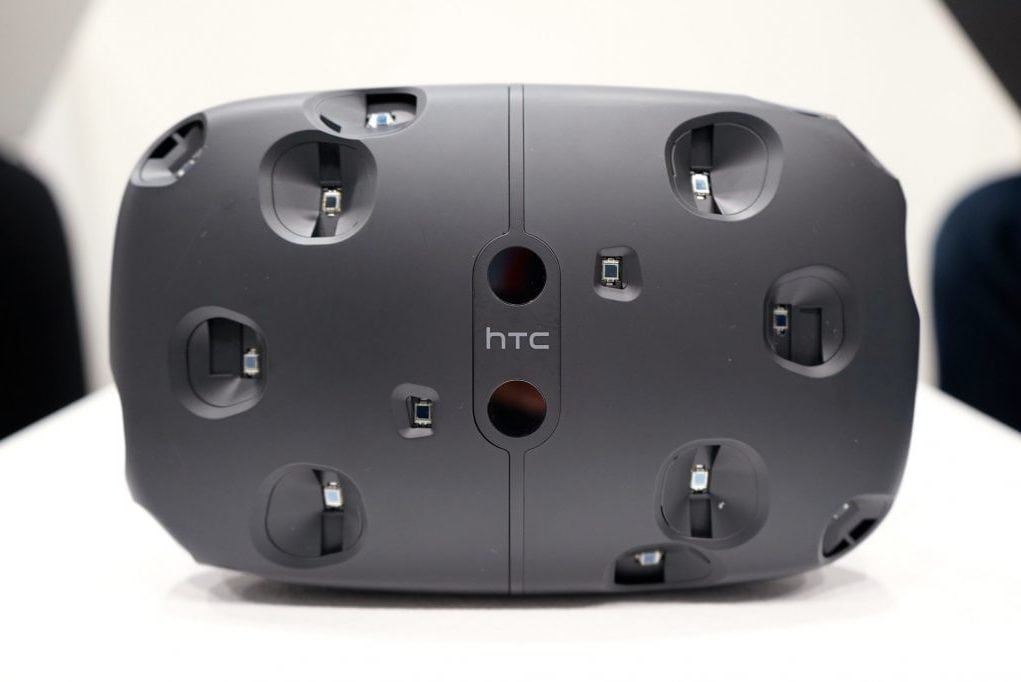
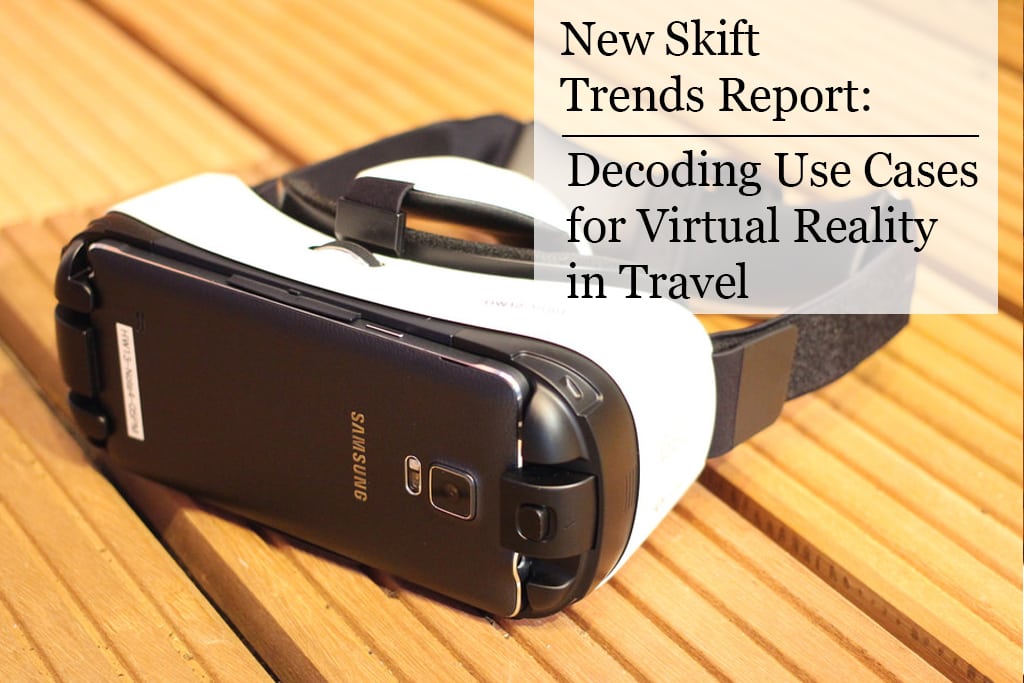
The opportunities in virtual reality for applications in travel marketing are very real. But targeting audiences and creating effective content for this nascent technology requires bold creativity and a deeper understanding of its limitations, channels, and learning from the mistakes of others.
While there are exceptions to the rule, the majority of U.S. airports are in sad shape. As more executives behind these critical transit hubs now realize, badly needed renovations aren't just about aesthetics: They're also good for business.
Asia-Pacific is expected to replace North America as the world's biggest online travel market next year. If your travel business operates online, it's time to take a good, hard, look at your Asia-Pacific strategy.
The most modern tourism bureau websites today emphasize neighborhood storytelling, more nuanced content for different consumer profiles, mobile-first modular design, and full-width photos and videos with a strong human voice.
Instagram is no longer just an "experiment" for the travel industry. The service's most popular content creators and marketers are increasingly turning their posts into big business. Whether that's a good thing for users is another story.
Companies creating virtual reality videos and other immersive video formats say they're driving exponentially higher engagement levels between travel brands and consumers.
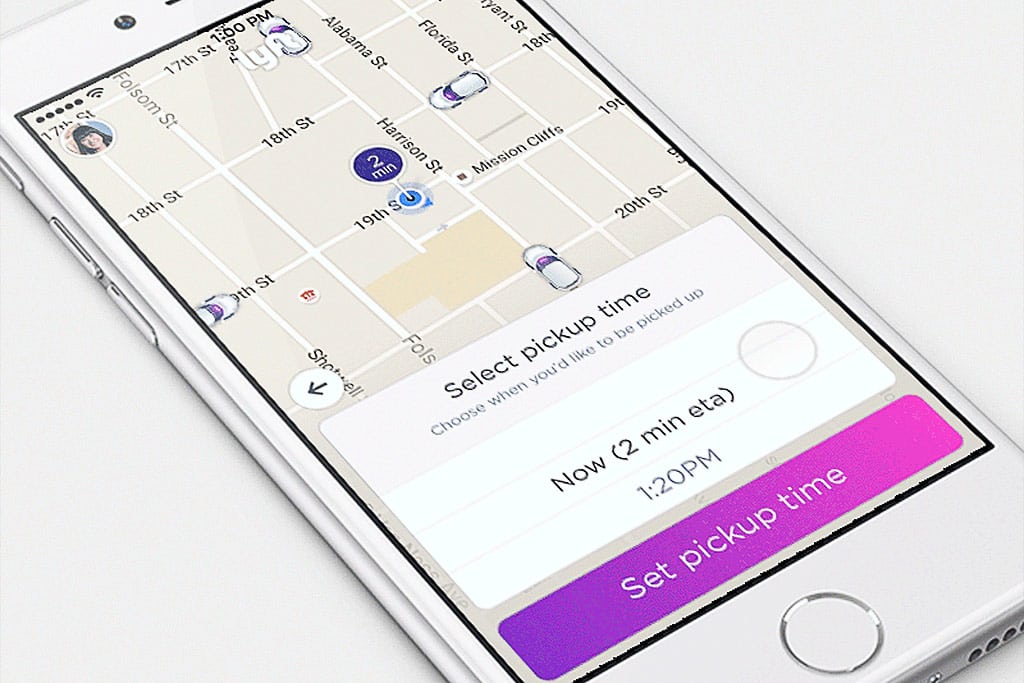
Uber, Lyft, and their rivals aren't just disrupting the taxi industry. The companies have set a new standard of service that all brands in the travel industry are being forced to imitate, whether they're ready or not.