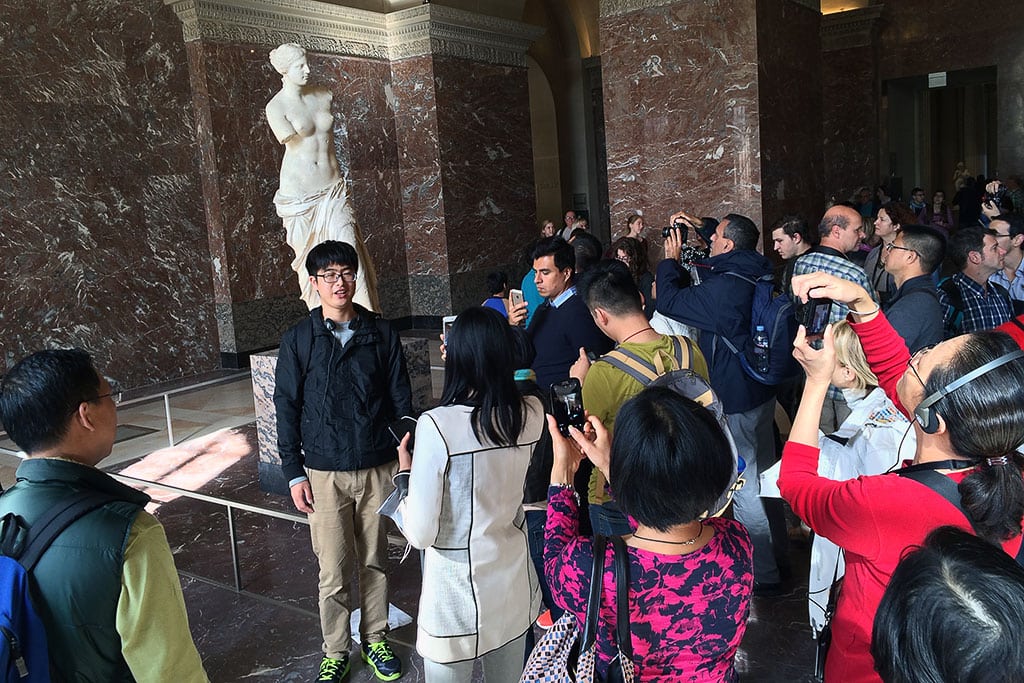
Overcrowding is one of the biggest issues plaguing destinations. Here I outline a smart new way to allow free-market forces to not only limit overcrowding, but spread out the visitors and help fill the off-peak dates.
Figure out some simple, creative ways to surprise and delight visitors, and you're creating powerful positive memories–ones they're likely to share with friends.
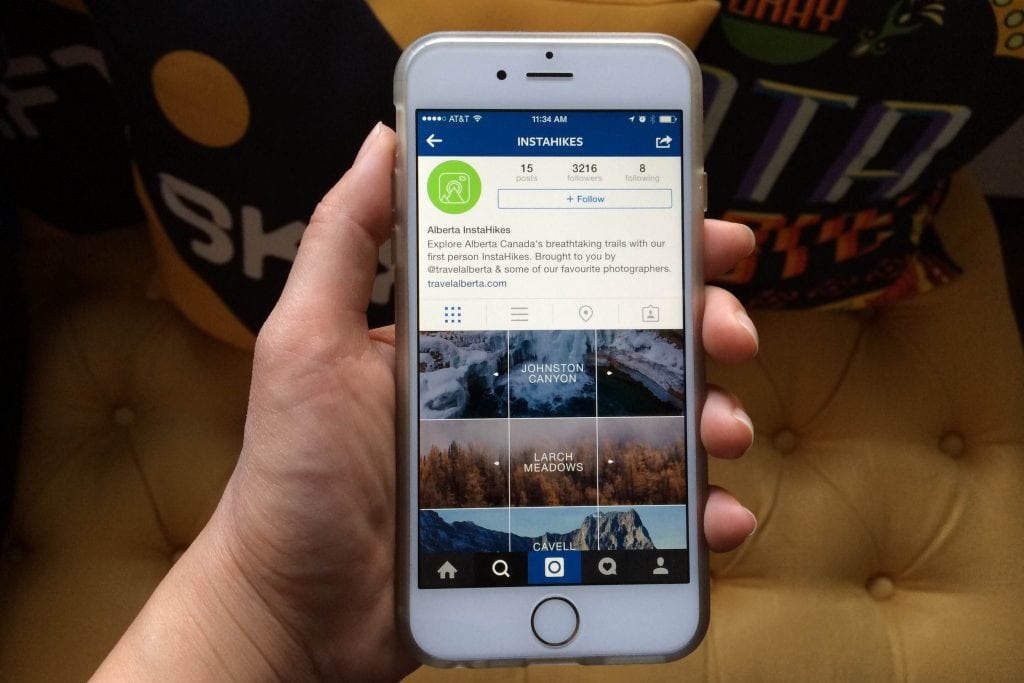
Social media has been the darling of destination marketing for the last five years, but you may be surprised how those impressive Facebook and Twitter numbers translate to actual visitors.
W Hotels, St. Regis Hotels and Starwood Luxury Collection anticipated the changing behaviors and demographics of the luxury consumer, and adapted their business models and content marketing strategies around them, before much of the rest of the hospitality industry.
Triumph Hotels' development of individual blogs and walking tours for each historic property celebrates a local, deep-rooted New York neighborhood experience.
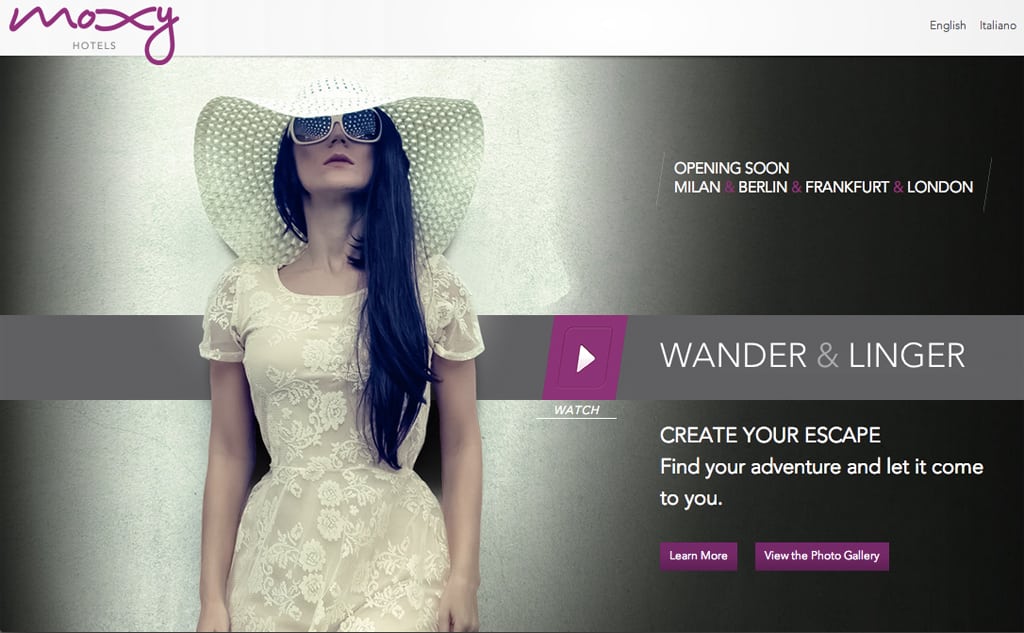
Marriott sees huge white space in the European market for Moxy Hotels with room rates averaging under $100 and a focus on dynamic lobbies with multiple energy zones.
Some travel suppliers who feel confident that they're engaging with the next generation traveler just because they have social media channels are unaware of the value of custom content to share on those social media channels. And why it's valuable to those travelers.
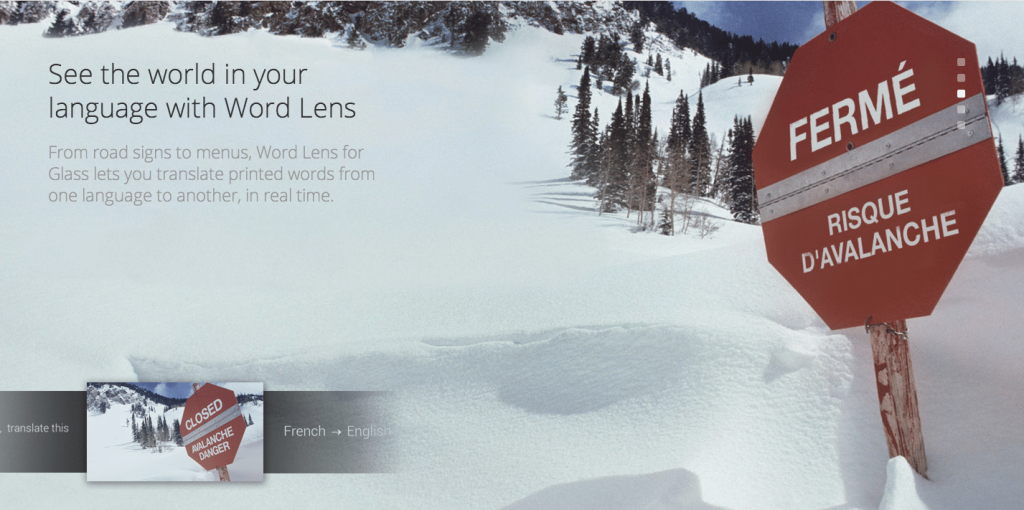
Instant translation with seamless back-and-forth communication in any language is the holy grail and wearables should theoretically enable it. The Word Lens app for Google Glass is the first useful step towards it.