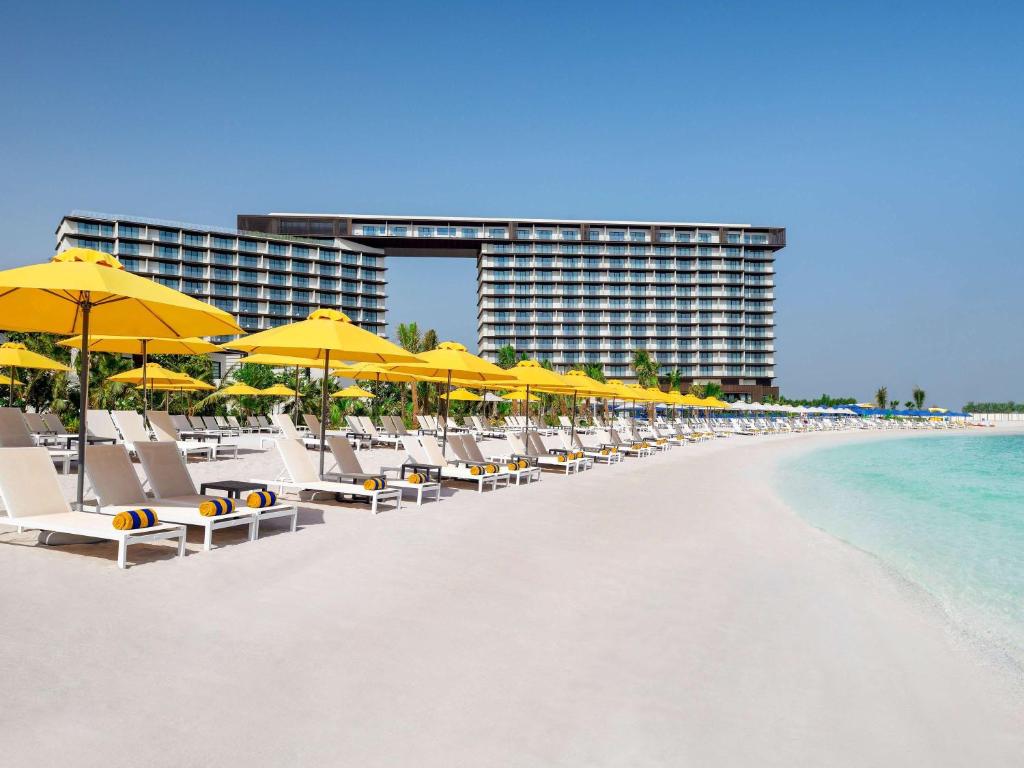
After years of strategic pivots and playing catch-up, the hotel giant is cleaning house, doubling down on luxury, and expanding in Southeast Asia and the Middle East.
Based on their six-year growth rates, Hilton Honors is expected to surpass Marriott Bonvoy's membership count in mid-to-late 2026. Other loyalty programs with standout growth rates include Hyatt and IHG.
When a major hotel group like Accor decides not to build in Mykonos because of climate risks, it's a sign that climate change is reshaping business decisions.
Skift spoke with Group Deputy CEO Jean-Jacques Morin about Accor's strategic pivot in key areas, such as why half of its new hotels will be in Asia this year.
Why do we choose one hotel over another? Why do we come to work every day? These simple questions reflect a growing need in the hospitality industry to cultivate a sense of purpose — a guiding principle for navigating the demands of an increasingly complex world.