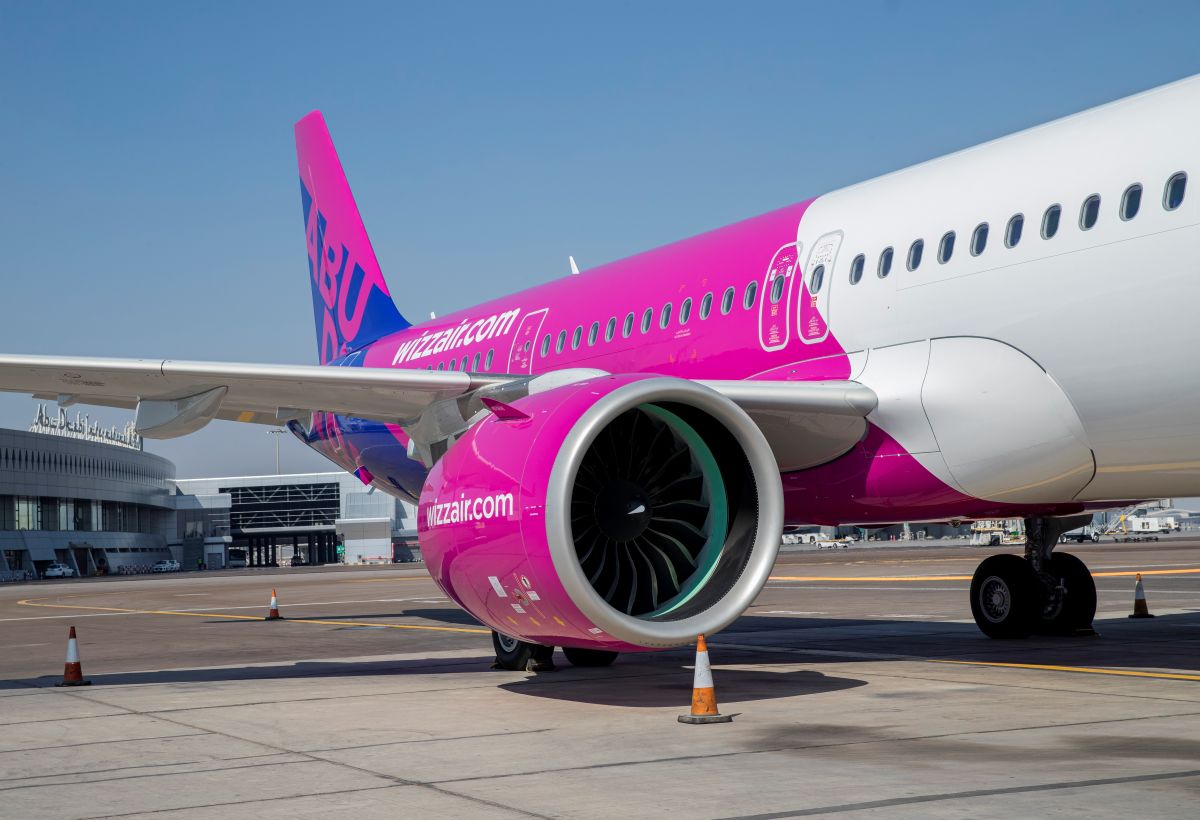
Etihad is cherry-picking the tastiest destinations left by Wizz Air Abu Dhabi. It’s a win-win for an airline with a mandate to put – and keep – the UAE capital on the map.
Wizz Air’s hasty retreat exposes the limits of transplanting the European ultra low-cost model into a region with greater geopolitical instability and different regulatory frameworks.
Some incentive winners and their partners are less keen on traveling. A trifecta of anti-DEI sentiment, new government policies, and fear of flying is to blame.
The global airline sector is in a growth phase, projected to reach $949 billion by 2026, driven by strong leisure demand and the significant rebound of business travel.
For Wyndham, India is an unmissable opportunity and the growth is rapid but not indiscriminate. It is still conscious about the markets, locations, and the brand mix it wants to bring here.
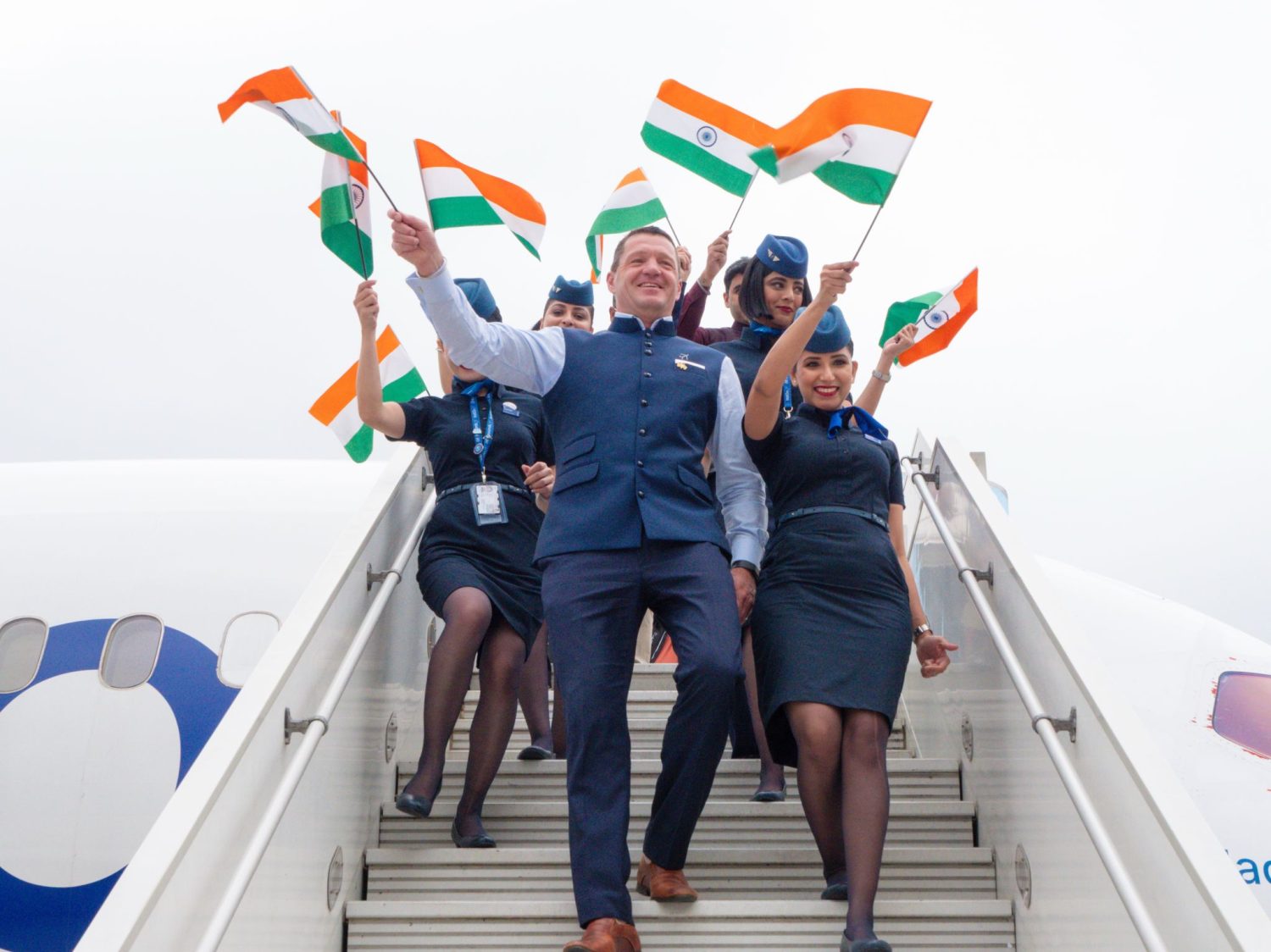
IndiGo is making a bold pivot from budget regional dominance to global player. Its “fit-for-purpose” approach may not rival full-service carriers yet, but its pricing and partnerships could redefine value on Indo-Europe routes.
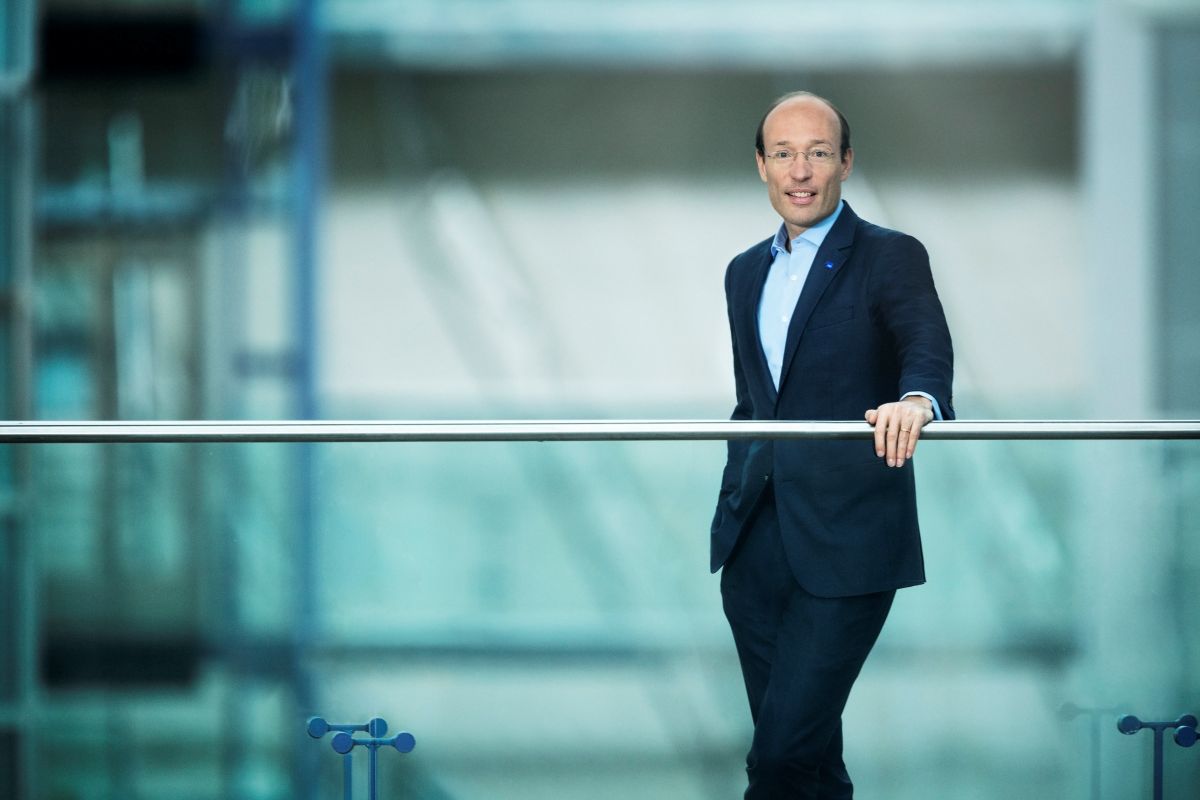
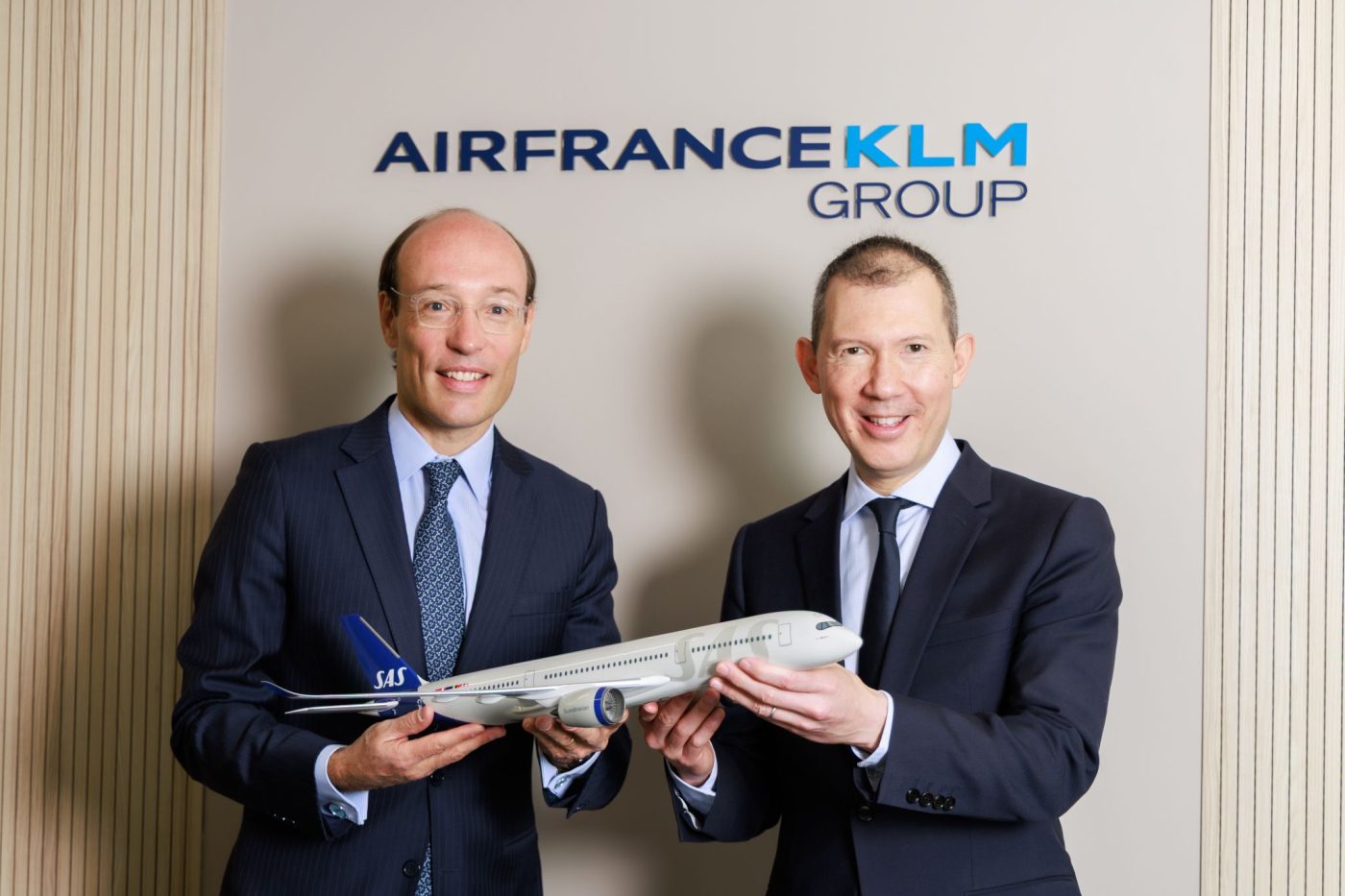
Anko van der Werff has long championed consolidation. With Air France-KLM poised to take majority control, he’s getting his wish while (hopefully) keeping the airline’s Scandinavian soul.
We’ve known since Air France-KLM’s initial deal that a majority stake was an option, but the speed and scale of the proposed transaction remains notable.
This latest strike underscores chronic weaknesses in Europe’s aviation infrastructure. Airlines and passengers are justifiably frustrated but so are the workers who say they’re operating outdated systems under mounting pressure.
When Skift last caught up with Pieper he had 13 airline CEO bosses; now he’s got 15. Between digital upgrades and global growth, they're keeping him busy.