We wish British Airways had explained what happened right away. But now that we know the situation, we understand why the airline gave little information after its late-May computer failure.
Skift anticipated that British Airways and Iberia would copy Lufthansa's pioneering move to push middlemen further out of the distribution chain. But the move is still eyebrow-raising because it defies two years of predictions by the distribution systems that Lufthansa's effort would fizzle out.
For economic reasons, the transatlantic aviation market has been a hotbed of innovation since the first direct flight almost 100 years ago. Building on the foundations set before, the new disrupters believe we are on the verge of a huge change. Will it last?
Alex Cruz, the Chief Executive of British Airways, is in a tough spot. For years the airline has positioned itself as a premium brand and — whatever the company says — customers don't like it when you start charging for something you used to get for free. It's probably too early to say whether the changes to short-haul meal options have been a success and doing it on long-haul flights would be a totally different proposition.
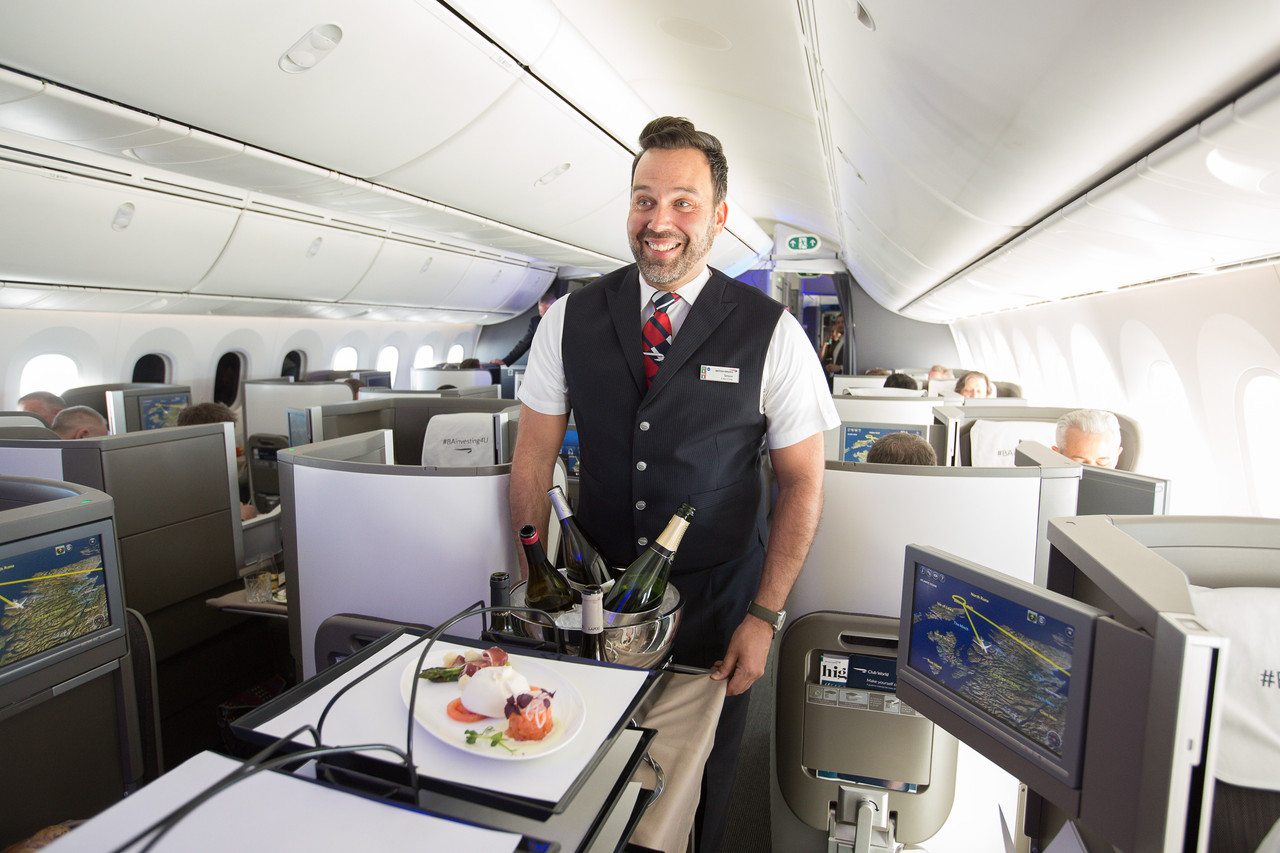
British Airways has finally come around and started investing in its business class cabin. But it may be too late to catch up with Delta, United, and the Middle East carriers.
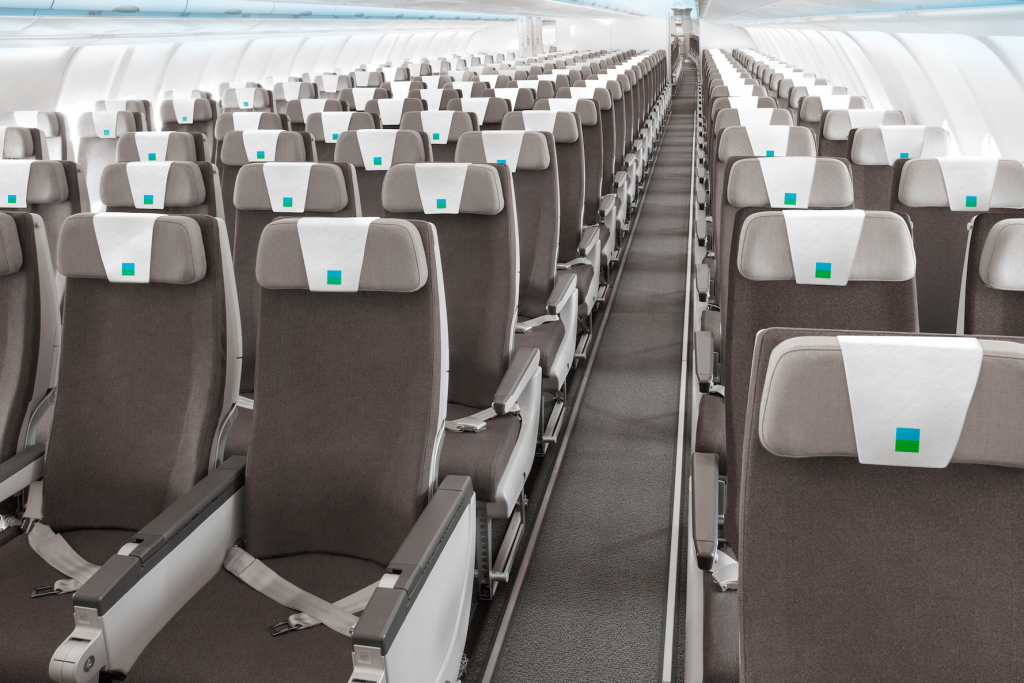
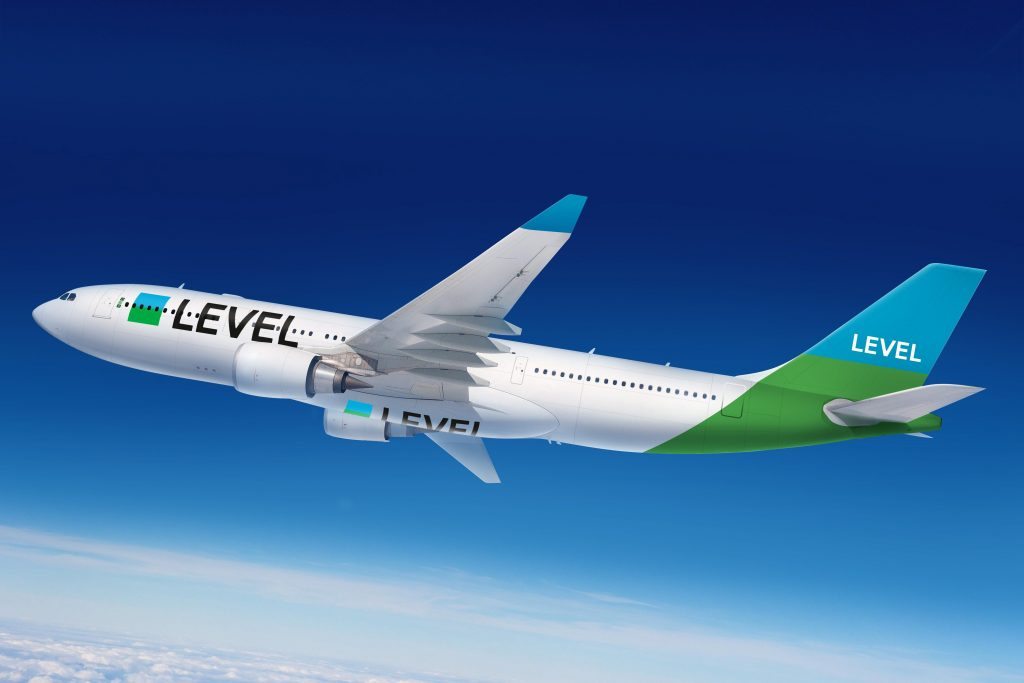
Is Level a legitimate attempt by International Airlines Group to build a long-haul, low-cost carrier? Or is it a "fighting brand" designed to make Norwegian Air's expansion more challenging? Time will tell.
It's interesting that the UK left off three of the busiest airports in the Middle East — Doha, Dubai and Abu Dhabi. Why are they making a different calculation than U.S. authorities?
Lufthansa is investing in direct booking connectivity with corporations (and the commercial initiatives to make them happen). The technological and commercial Tarmac being laid may pave the way for others, like IAG's British Airways.