In Skift's top stories this week, we covered the Maldives' experiment with new tourism models, the blurring of work and travel, Priceline's acquisition of an airline technology startup, and a Skift research analysis of hotel direct booking.
Now that the investor winners and losers are clear, Hertz is tasked with the even harder job of retooling the business to adapt to a diminished business travel environement — at least in the short term.
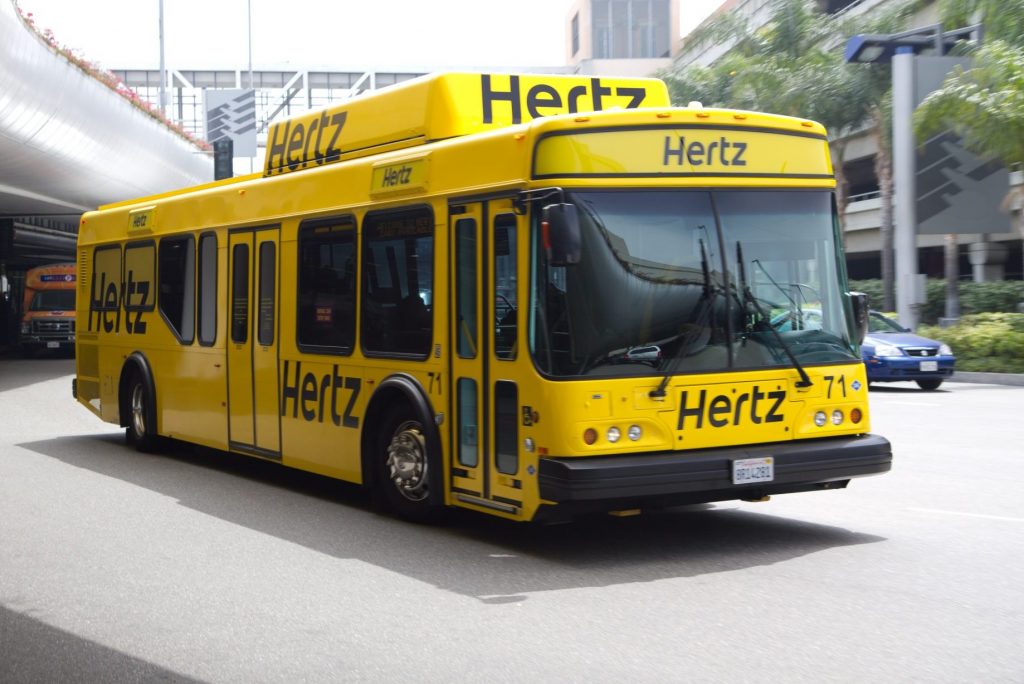
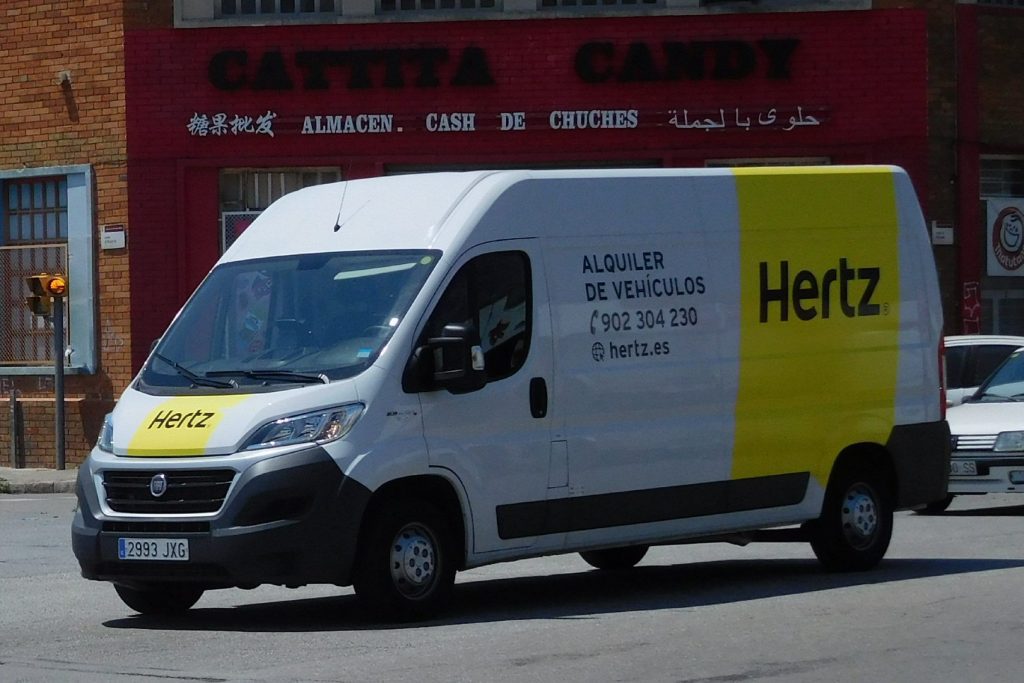
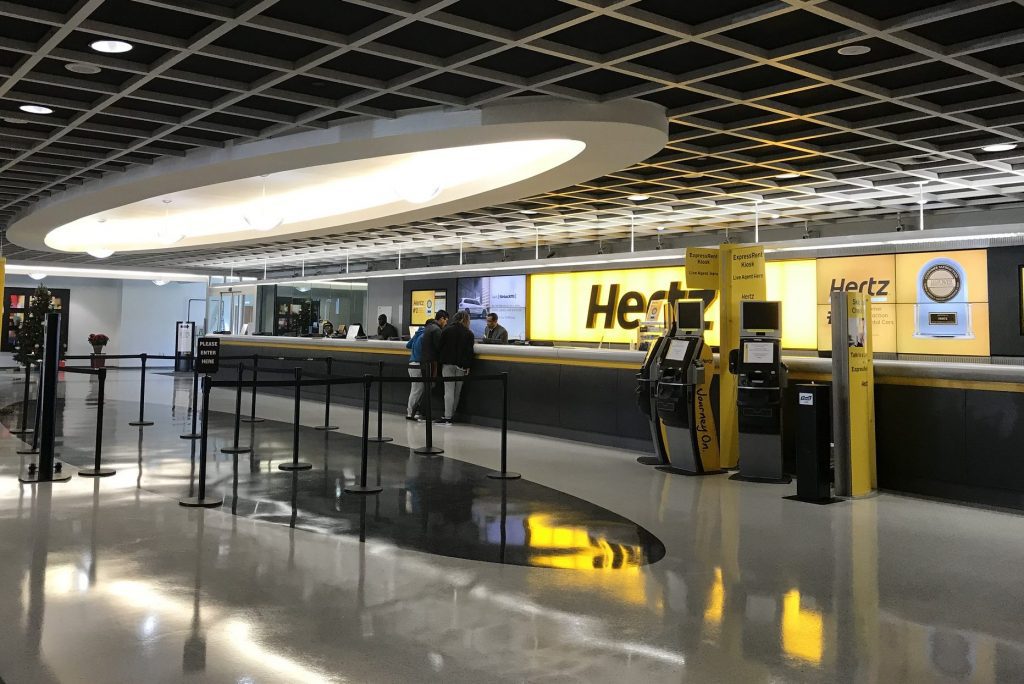
Suddenly Hertz, the beleaguered car-rental firm forced into bankruptcy, is being wooed like it's the last case of Budweiser on a deserted island. Investors see opportunity in an emerging new Hertz.
Despite the inroads ridesharing companies, such as Uber and Lyft, have made against the car rental giants, Hertz's re-emergence from bankruptcy is now triggering a bidding war. Ridesharing and car rentals often have different use cases, but it's never too late for legacy players to mimic, partner, and otherwise adapt.
At a time when a travel operator like Expedia Group is shedding brands to become more focused, private equity firm Certares is investing in a broad array of travel assets. Divergent strategies for two very different companies. Certares' goal is likely to wrangle synergies while making a ton of money.
New data from AirDNA show that corporate hosts wield huge power on Airbnb's platform despite the fact that individual hosts make up more than 90 percent of hosting's ranks. Airbnb is empowering the growth of these property managers, but the result could be disenchanted hosts and guests.
It will certainly be a challenge to transform Hertz's business. However, the car rental company is not only getting a financial lifeline, but also an assist from private equity firm Certares' wide-ranging travel rollup strategy. This will be a long-term play.
Private equity firm Certares is leveraging its brand assets the way a Booking Holdings might do when Booking.com shares inventory with sister company Priceline. This isn't the usual private equity playbook.