The pandemic has pushed many companies into new ways of working, but there’s a lot of work ahead to transition and realize all the benefits — traveling included.
These are crucial times for citizenM as it expands rapidly outside its European base into North America and Asia. It has to stay vigilant about differentiating the brand, now 10 years old, and ensure it is still cutting-edge.
The digital transformation of hospitality and travel is underway, and it mirrors the changes most brands and consumers now see across the broader business ecosystem.
Explore with us where the travel industry is headed, technologically. The time has come to look at what the future holds for hospitality, and every travel vertical, as an industry that uses digital tools to better reach customers — and re-envisions itself along the way.
If consumers don't value some of the extras offered in the market, or worse still see them as an impediment to their journey, these brands believe it's best to eliminate them. Sure, doing so saves them money and creates lean processes, but it also differentiates the brand and creates positive associations for those consumers who are fed up with fluff, hype, and inflated travel costs.
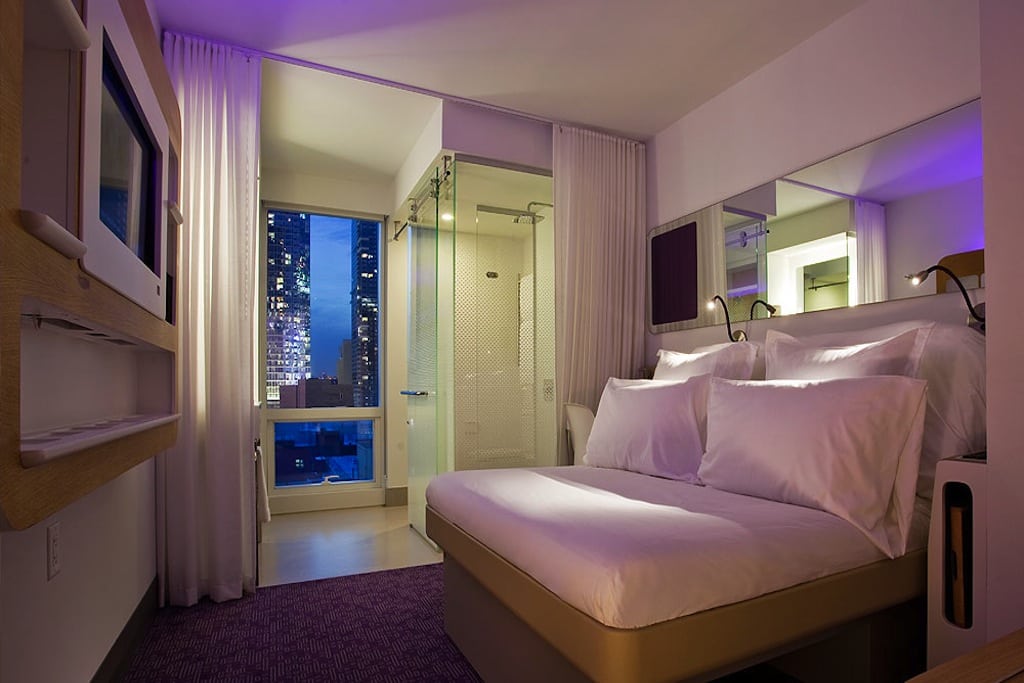
citizenM gives its guests more for less while "only selling a night of sleep" in an understated fashion, as co-founder Michael Levie put it. Its model can be illuminating for big and small hotels alike in understanding what happens when data and technology are used to their potentials.
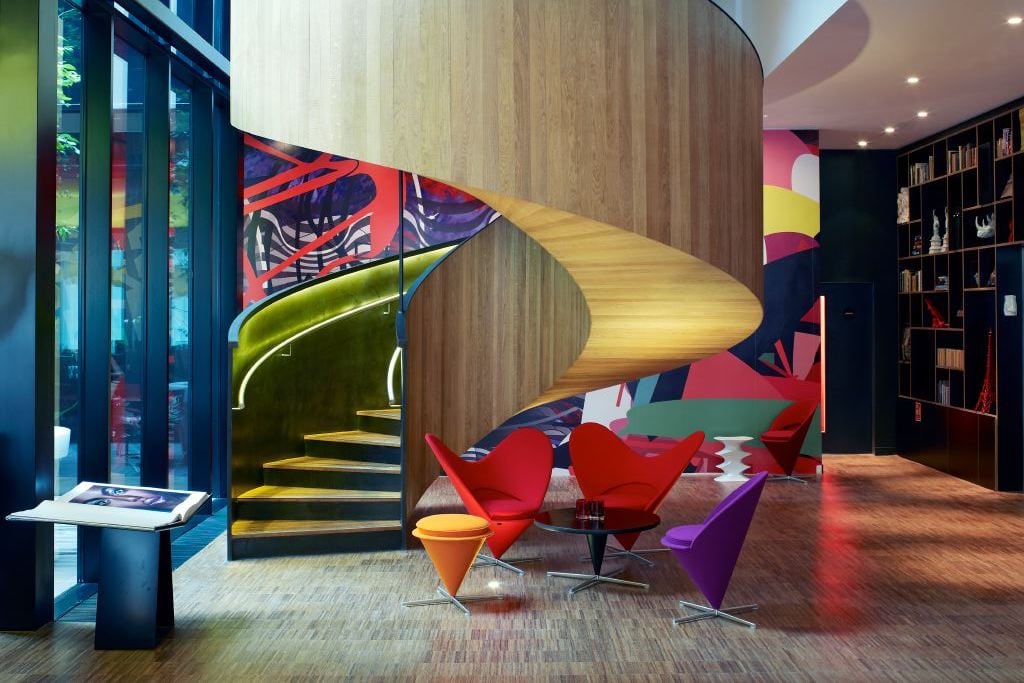
Smart design tactics, plentiful connectivity, and large community spaces are the mark of these hotels that started in Europe and are making their way around the world.