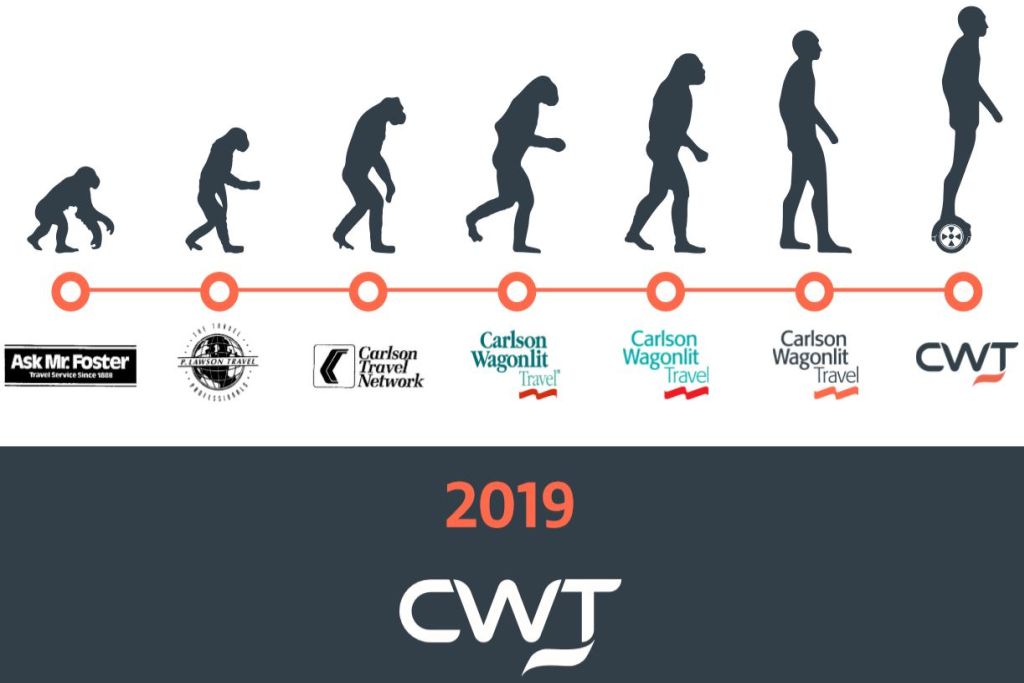
The future isn't here yet, but at least big travel management companies like CWT have come to realize the importance of improving the experience of actual travelers instead of focusing on travel managers alone.
Companies spend a lot of money on meetings, and relative upstarts are emerging to challenge the status quo by providing a different type of experience for those who organize them.
Can this two giant global travel companies work out their differences? Surely consumers would be prefer to know they can keep searching for United fares on Expedia.
It seems like Deem has a second chance to build something cool with the backing of Enterprise Holdings. Of course, staffing up means the company may not be able to embrace its current lean ethos going forward.
Meals and hotel stays are becoming a bigger cost for business travelers. Airfares have dropped, although this doesn't help companies that dispatch their workers in cars for meetings in nearby cities.
Many corporate travel providers are turning to mobile apps and personalization to improve life for business travelers. There's still a lot of work to be done to create the cohesive, and comprehensive, travel management platform of the future.