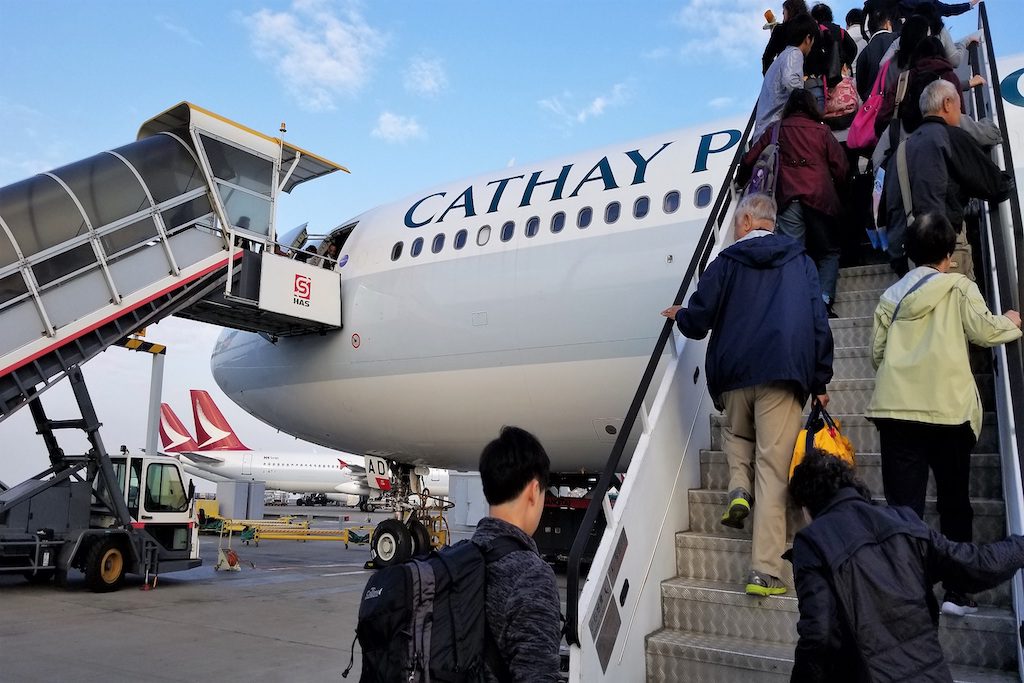
Will new travel management platforms emerge in Asia as they have elsewhere in recent years? Fragmentation and the digital habits of Asian travelers will make it an interesting challenge.
For over a decade, corporate travel management companies have been trying to pry open the huge market in Asia but have hardly made a dent. Travelstop says now is the time, as the market is full of high-growth startups that will "get it." Perhaps such new players will finally disrupt the space.
Lyft wants to become a bigger part of business travel life by offering rewards and more flexible transportation options. And if they start using Lyft in their personal lives as well, that's a big bonus.
As ridesharing platforms mature, they'll offer more options for getting around than just car rides. And they're hoping to capture more spending from business travelers, as well.
This tuck-in deal is minuscule, but it underscores Yatra's drive to maintain its position as India's largest online provider of travel booking tools for corporations. Yatra has the potential to build an "Egencia for India" over the course of five or 10 years.
Southwest has perennially been a thorn in the side of online travel companies that lusted after getting access to its flights and fares. But no one can credibly argue that Southwest's insistence on direct distribution hasn't worked for the airline. Its competitors and peers inside and outside of the airline industry can only be jealous.
Our latest Skift Research report provides a look-back on 2018 and details our 2019 economic expectations for the U.S. and globally. All in all, we expect a solid year of economic growth in 2019 which should translate well for the travel industry.
Flight Centre’s latest North American acquisition looks like a win-win. Casto Travel gets access to the group’s technology, buying power, and marketing reach while the Australian-headquartered travel group expands its footprint in Silicon Valley.