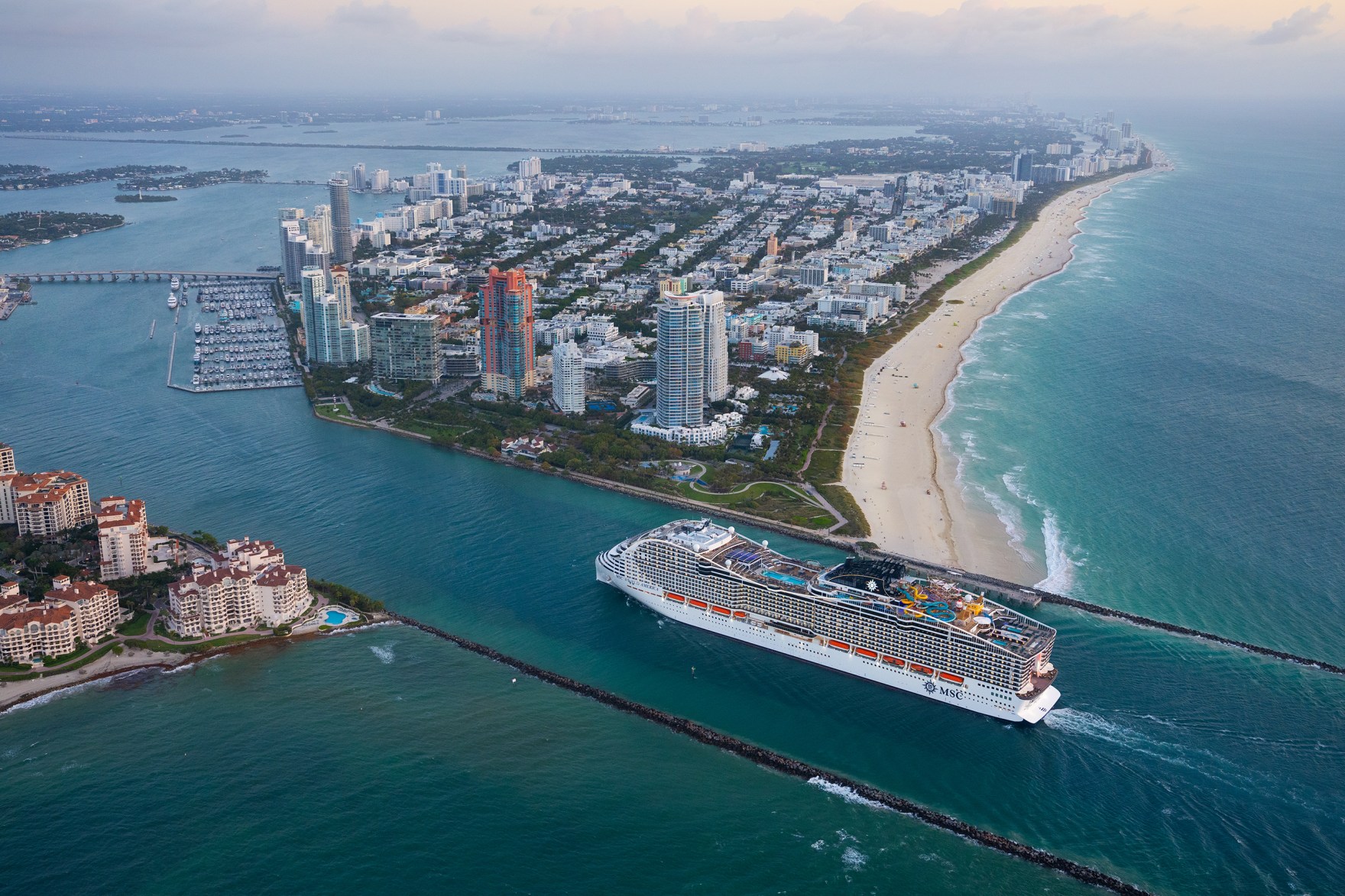
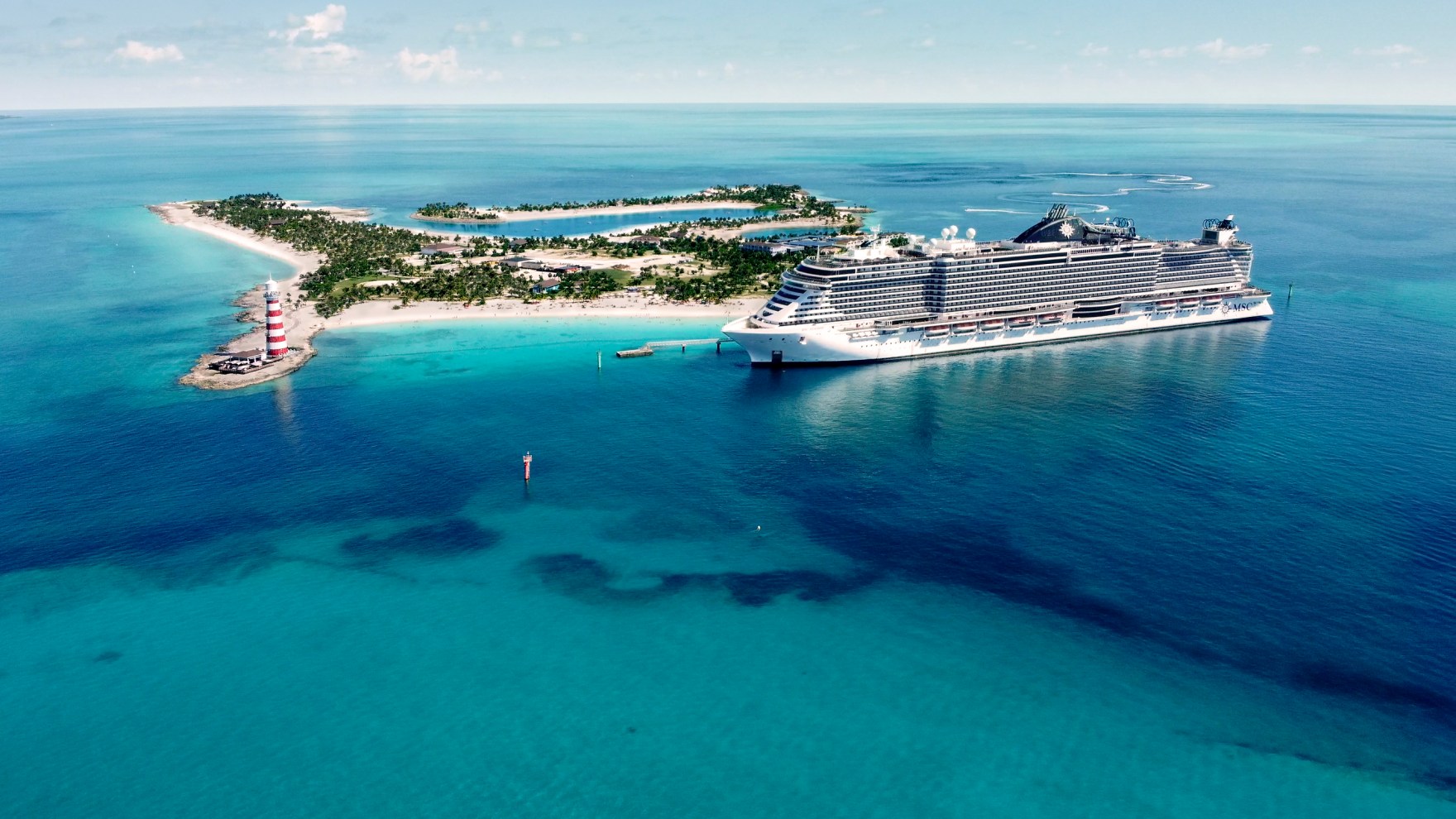
MSC Cruises’ newest ship brings its latest sustainability technologies to the U.S. market. Multi-fuel design, shore power, and advanced water treatment illustrate progress toward net-zero marine operations by 2050.
The rulings underscore growing pressure on travel marketers to back up climate claims. LNG may reduce certain pollutants compared with heavy fuel oil, but it doesn’t make a cruise “green” on its own.
The real tourism winners? Those who bet early on celestial tourism while others are still looking skyward wondering if anyone would actually travel for a 100-second show. (Hint: Many people will.)
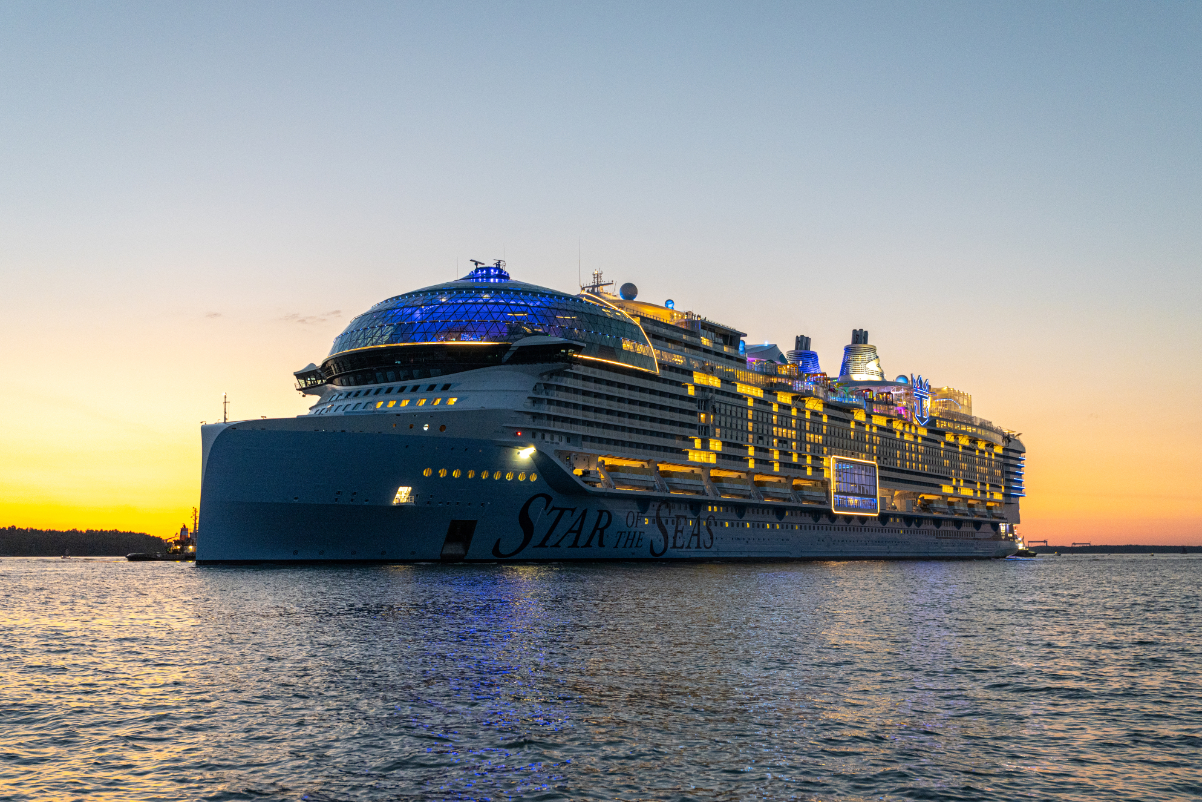
Royal Caribbean's passengers are definitely spending. Its plans to improve how its loyalty program and co-branded credit card reward guests may fuel future growth.
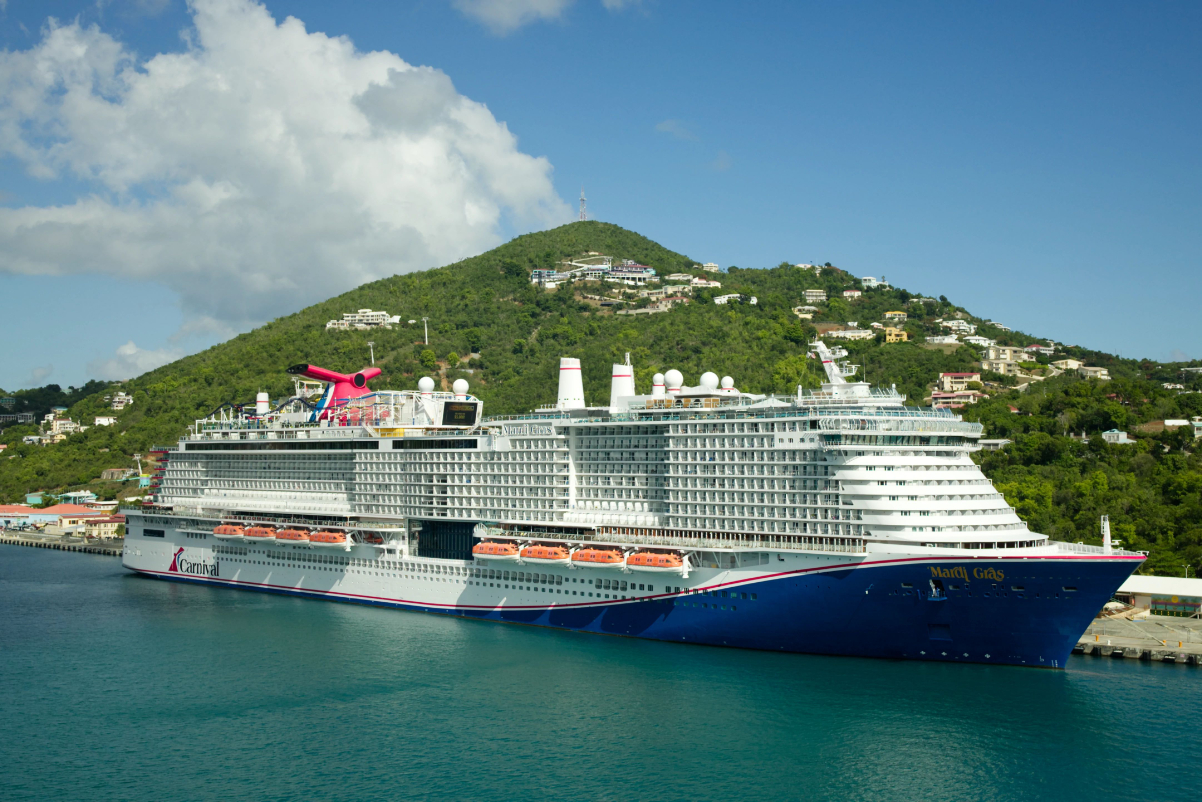
Carnival is using aggressive marketing and exclusive destinations to sustain historically high cruise prices, even as economic uncertainty weighs on other travel sectors.
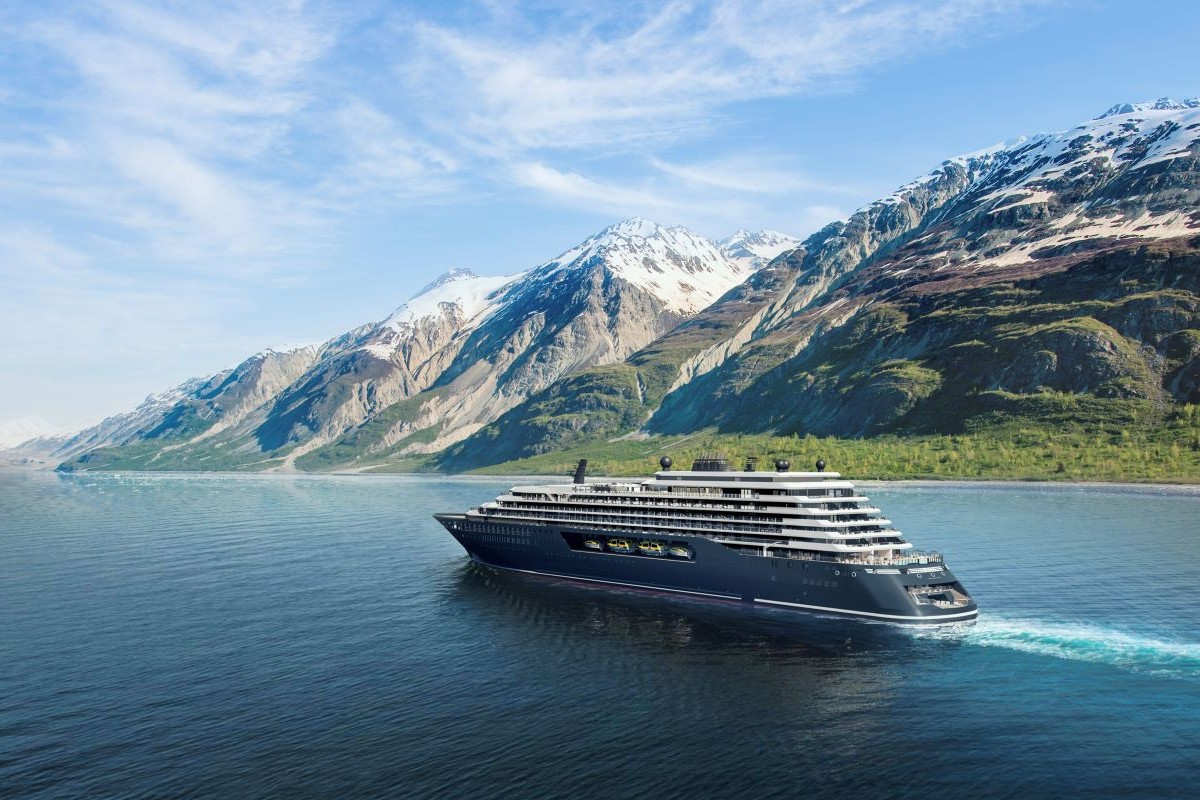
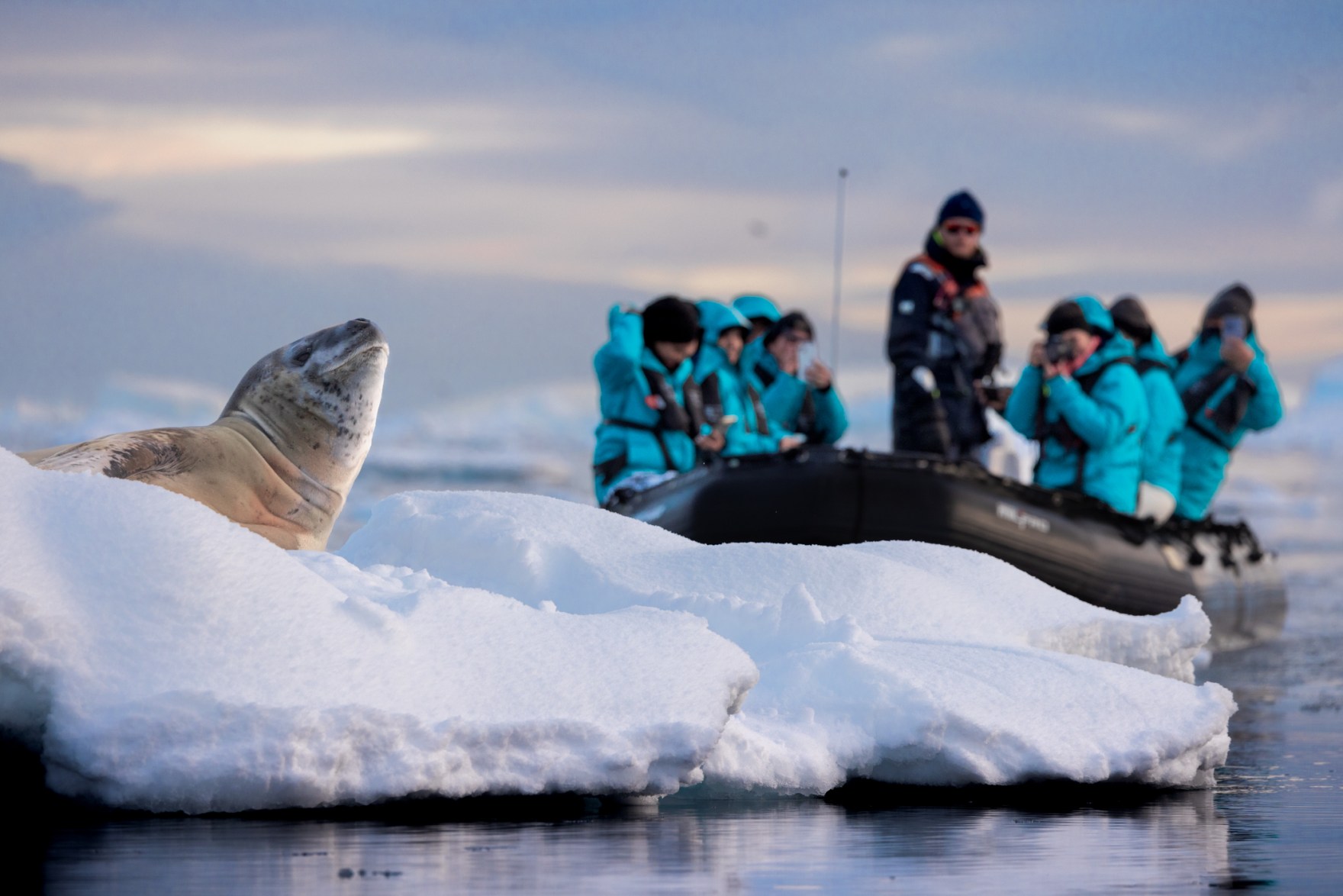
As visitor numbers climb and warnings of environmental risks mount, it remains to be seen whether new rules will be introduced, or if Antarctica will remain a frontier for high-carbon adventure tourism.
Cruise lines are rethinking what drives guest interest in a destination. Conservation-led private islands investing in ocean health and local communities are creating the kind of differentiation guests increasingly expect and value.