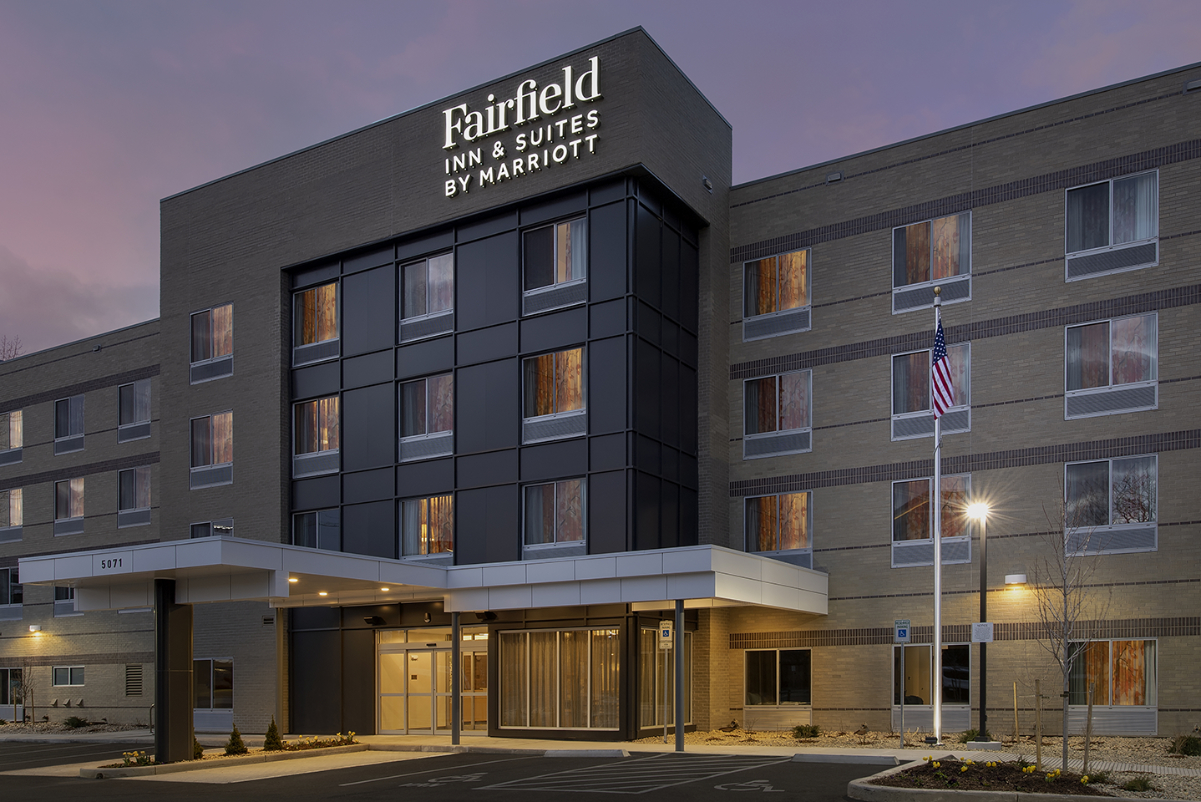
Marriott will now allow U.S. customers to request the deletion of their personal information and review loyalty accounts and restore any stolen points.
The U.S. Department of Commerce agency charged with forming voluntary cybersecurity standards for companies has released security guidance to hotels. The new report addresses a need for tighter security for property management systems, a core piece of software for hotels, at a time of reduced hotel staffing.
It's easy to feel jaded about data breaches given how often they happen. But it will raise eyebrows that hackers obtained data on loyalty flyers of Cathay Pacific, Finnair, Japan Airlines, Lufthansa, Malaysia Airlines, Singapore Airlines, United, and other carriers by exploiting a SITA tech system not used by most of them.
Many grandmothers have tighter password security than tech vendor [24]7.ai allegedly did. A hacker had an easy time accessing the vendor's code, and through it, the payment card data of up to 825,000 Delta customers. No wonder the airline is suing.
You can see the dilemma that Marriott and other hotels face: Keep passport data strictly at the property level, where management may not be technically adept, or centralize the information where it can be potentially hacked in one fell swoop. CEO Sorenson is leaning toward the local approach. Either way is risky business.