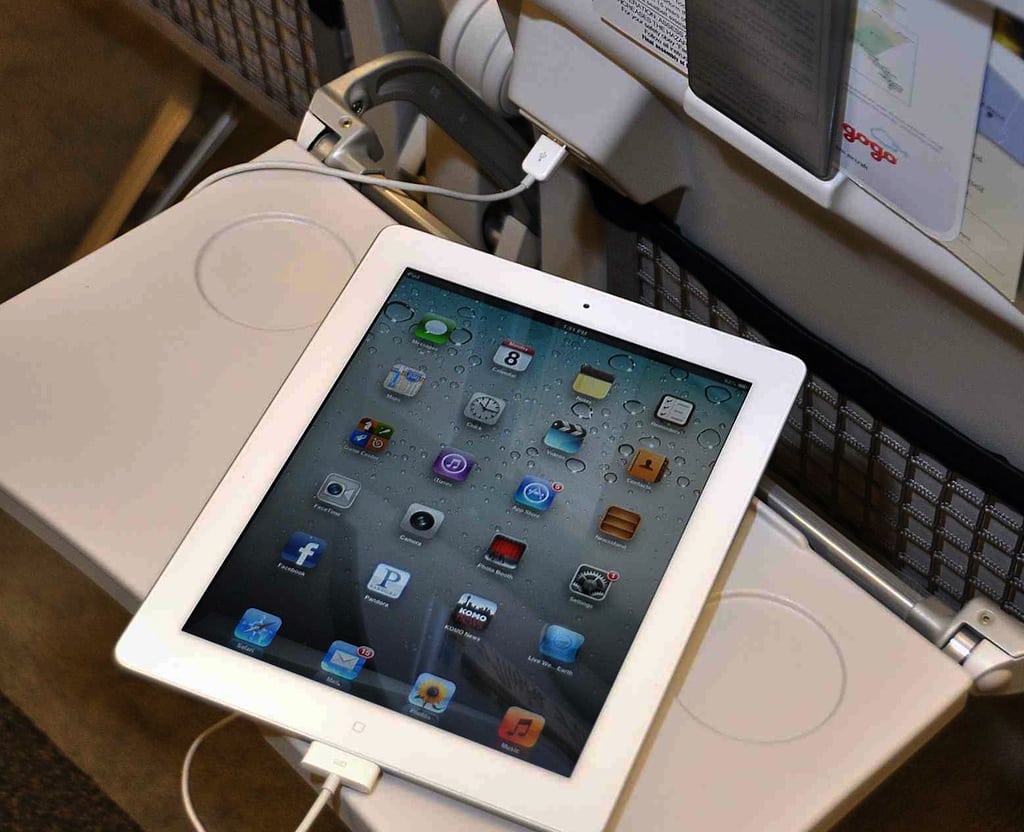
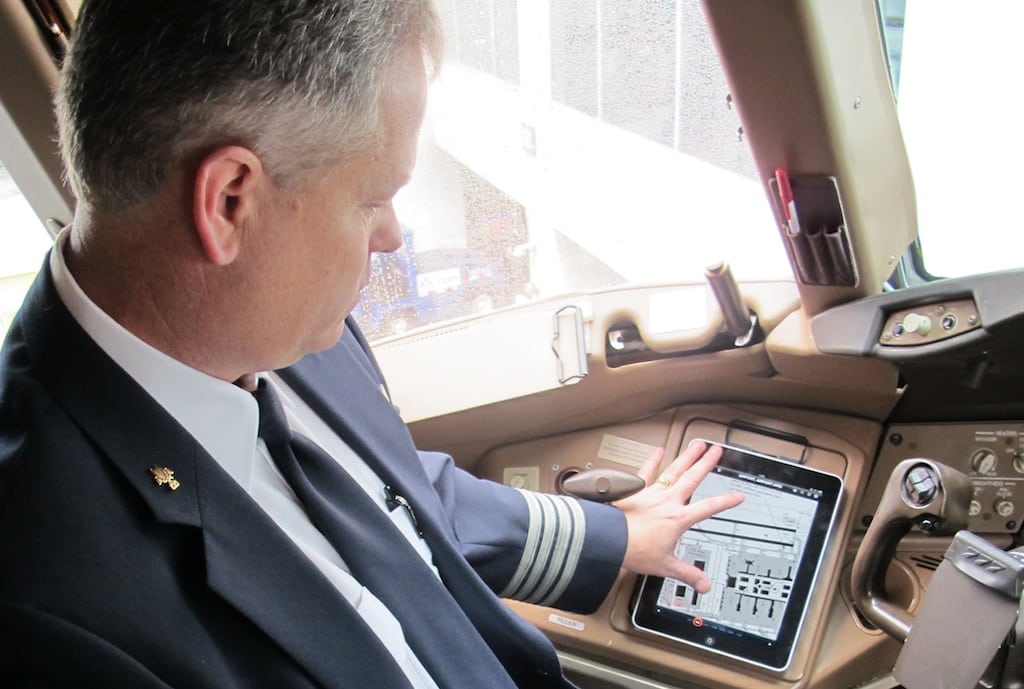
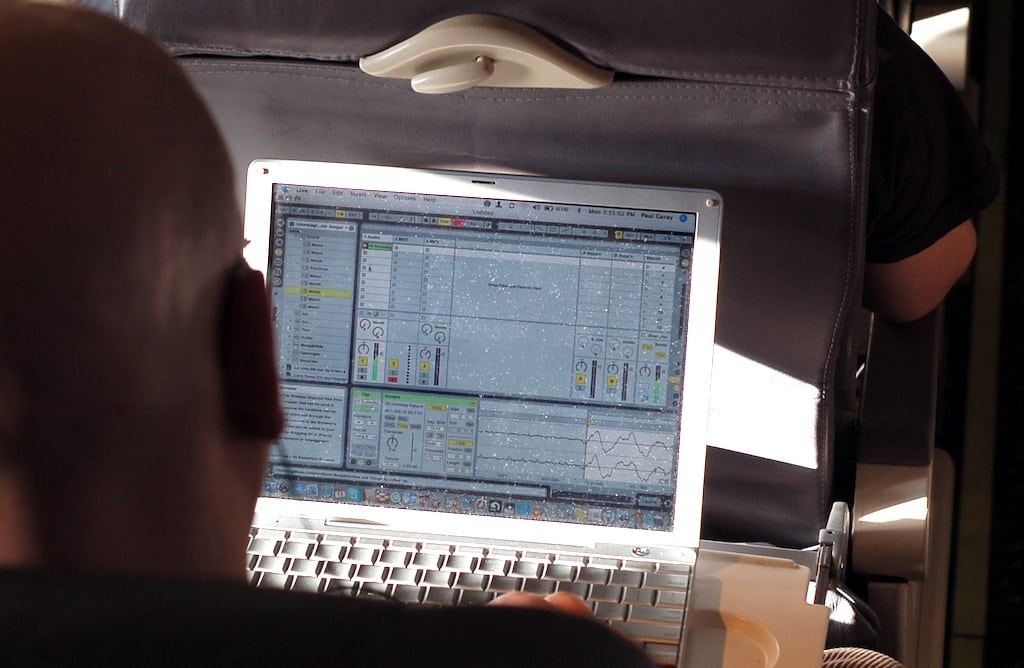
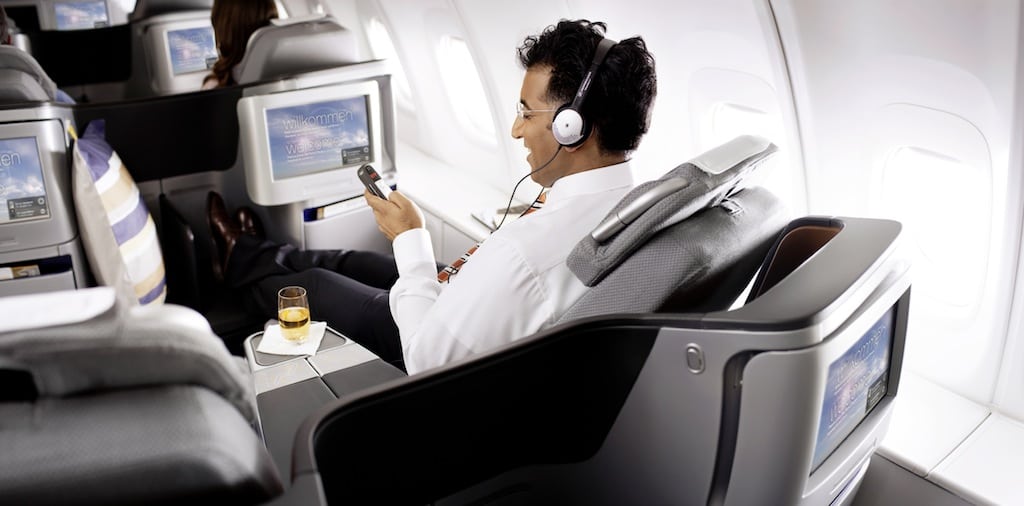
We're all for getting rid of silly rules, but we're also fans of planes working. The FAA committee's recommendation that airlines base their decision on the age and type of planes they are flying -- even if that means we need to keep our Kindles off for 10 minutes -- seems to be the smart way forward.
Creating a pilot records database out of airline employment records that currently exist on everything from Excel spreadsheets to tattered paper files and PDFs could be more difficult to get together than a certain federal government healthcare insurance website.
The FAA does need to update its guidelines for use of electronic devices on airplanes, but in the realm of what's important, flyers have other issues they're worried about.
Major airlines covet their regional airline partners' pilots, and the big carriers are going to have to come up with programs to help the regionals get through the crunch.
Some of these survey findings are self-serving on part of APEX and CEA, who want the current in-flight digital device rules to be changed for more usage. For us, only 4-in-10 passengers wanting these rules to be changed is interesting, and needs some deeper digging on consumer attitudes.
This government report found undertrained inspectors and a high ratio of work order errors, giving credence to fears surrounding FAA’s cost-cutting strategy of outsourcing plane repairs. Conversely, airline safety has never been better.
It's a challenge being an effective regulator with limited funds and adversaries with much deeper pockets and better political connections than your agency has.
It appears that aircraft rescue and firefighting operations at the four airports were in a state of disarray, with personnel distracted with other duties and suffering from a lack of training.