The Japan Airlines deal is a big development for Gogo as it involves satellite -- and not air to ground -- service, and marks its expansion beyond the U.S. and into Asia.
Where once in-flight Wi-Fi was an insane perk that was hard to imagine (way back in 2008), it's now become so expected that both airlines and providers are in a race to provide the fastest -- if not the cheapest -- connection.
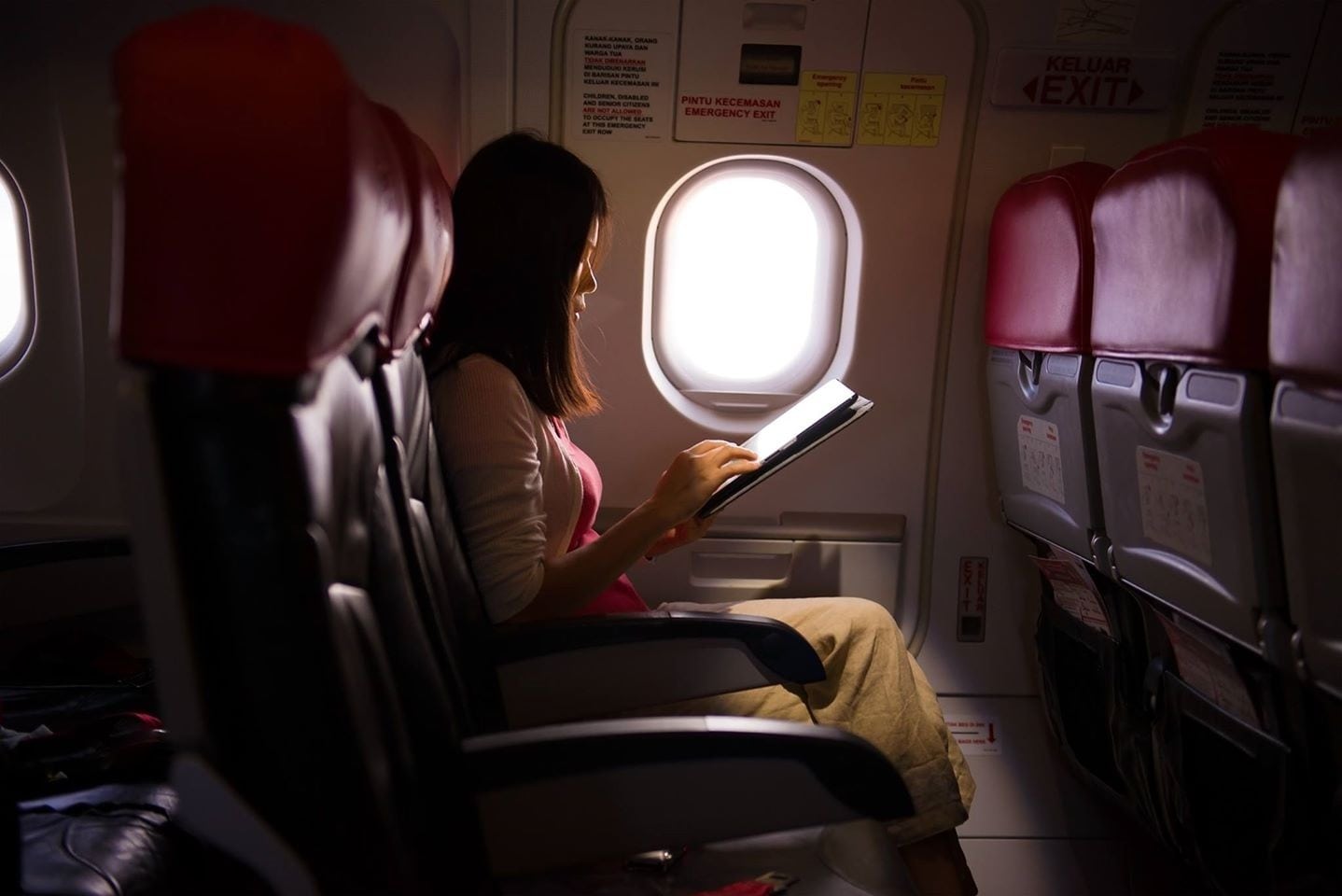
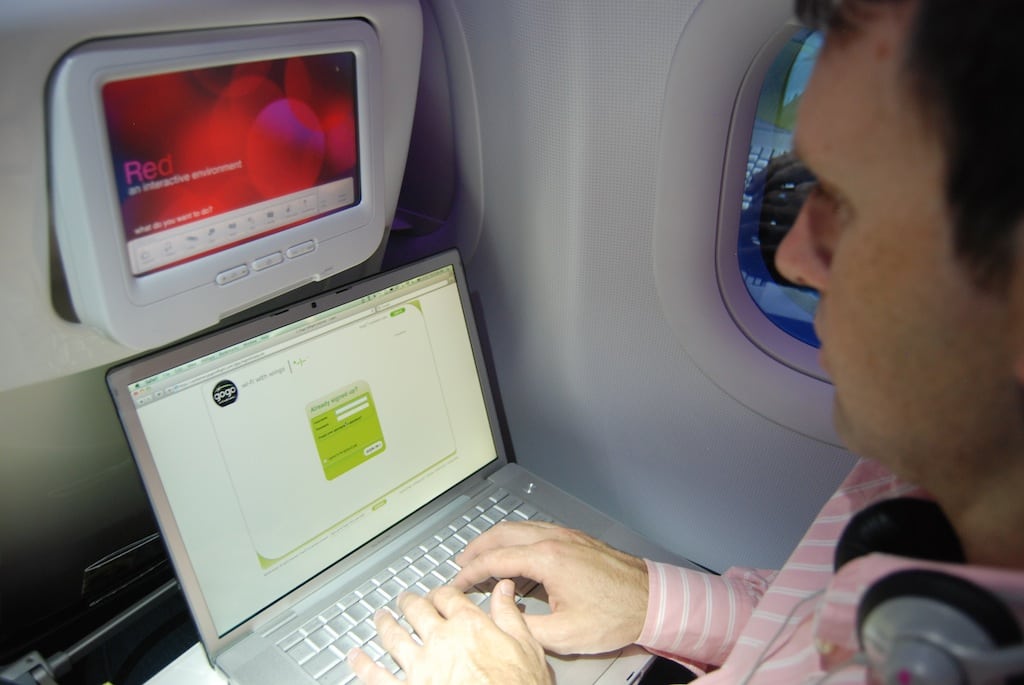
Gogo's partnership with Samsung is the kind that Wi-Fi providers cherish. There's no need to mail anything in, to present a coupon or enter a promotion code. Samsung tablet users just launch a browser and get directed right to a Gogo log-in page.
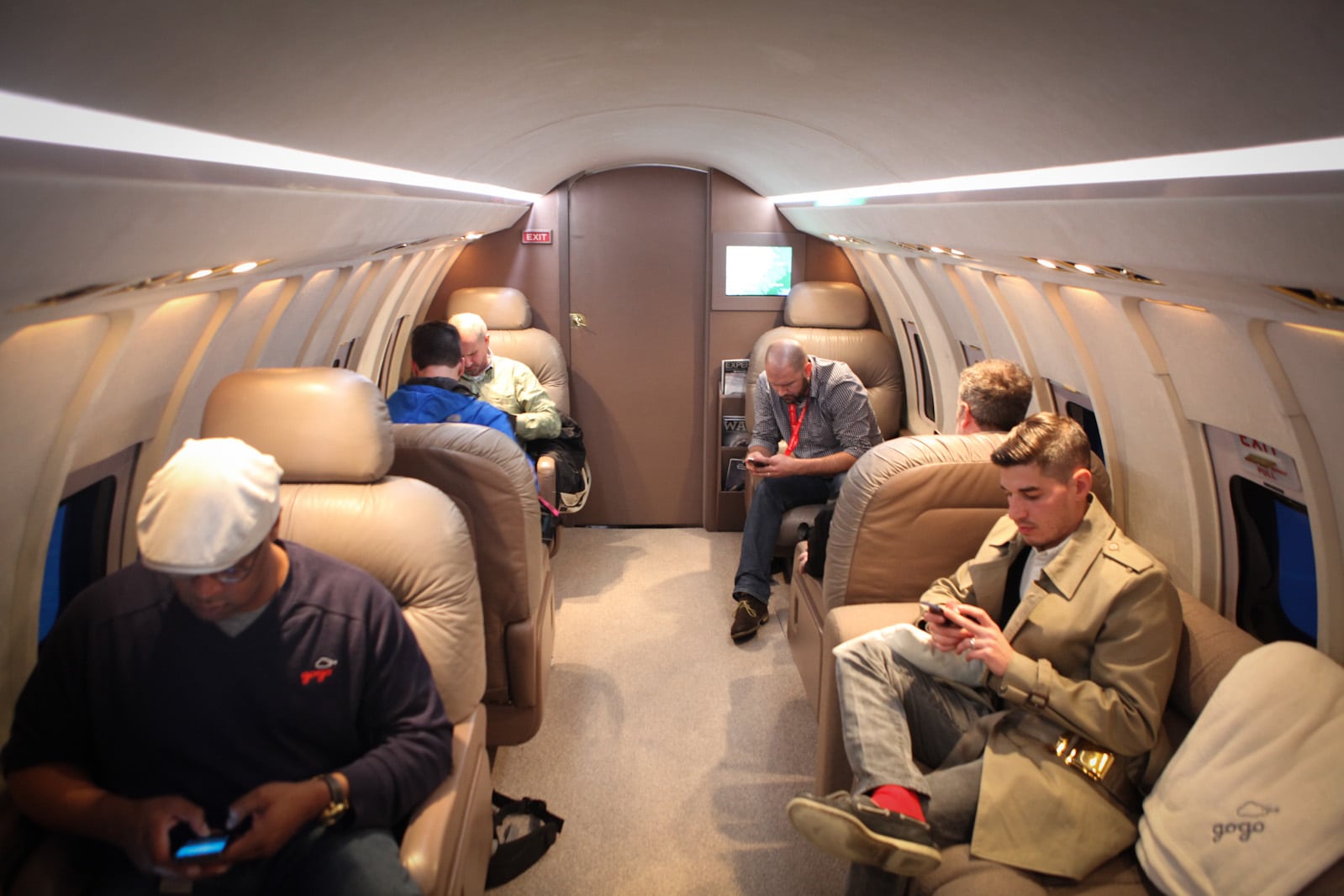
There will be a lot of conscientious objectors among passengers who don't want to be bothered with networking when flying, but social media fans will love the ability to keep getting social during the flight, and other airlines will follow Virgin America's lead.
With the advent of satellite-based Wi-Fi, the competitive landscape for in-flight Wi-Fi is heating up. Still, Gogo's extensive control of domestic Wi-Fi and airline fleets is a legitimate cause of competition concern.
If Southwest starts letting its passengers use Wi-Fi when the aircraft leaves the gate or soon thereafter that will amount to a lot more time online than other airlines are offering. That's more opportunity for increasing Wi-Fi fees, too.
Gogo has always done an excellent job making it easier for passengers to pay quickly. It used iTunes account info early on and the Amazon method is a logical next step.
With just 6.2% of travelers on Gogo-equipped flights using Wi-Fi you can see that the industry is headed toward free Wi-Fi on flights, assuming the systems can handle the bandwidth.