The intense relationship with digital nomads could be cooling off, as hotels increasingly turn "hybrid" and map out a future that focuses on permanent bases for corporations.
When it comes to running mainstream tours to popular attractions, booking sites can't hope to compete with the online user experience that Google provides. Off-the-beaten track activities, though, may be more fruitful.
Airbnb needs to provide more information to guests about hosts, and making them more searchable would be an improvement. The fear, though, is that such information would make it easier for guests to book directly with hosts and bypass Airbnb.
Waze, owned by Google, has huge potential to change the way cities move, as they place a renewed focus on mobility and community. Watch CEO Neha Parikh explain why the technology is much more than a navigation app.
Many travel brands have been toying with financial technology, or fintech, to cater to new consumer needs brought on by the pandemic. Google's latest revival probably won't be a one-hit wonder.
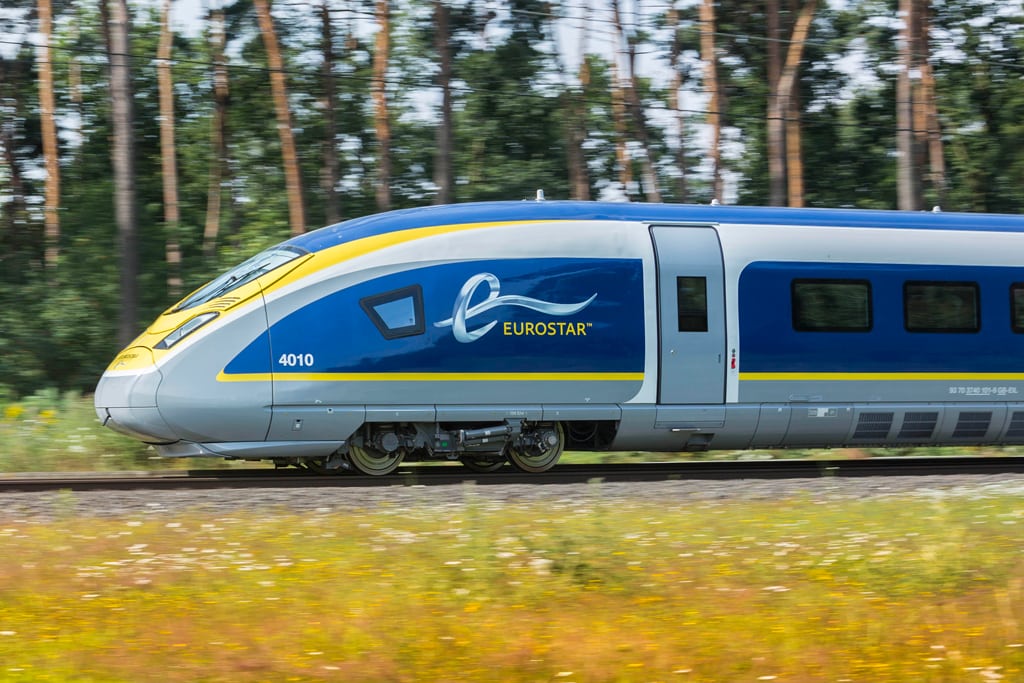
Google made it easier to find train routes and booking options in Europe. Like it did for flights, hotels, vacation rentals, and things to do, the new feature improves Google's standing in the rail sector.
Most industry forecasts point to an eventual recovery — even to the 2019 high of $1.4 trillion in annual spending — as business trips start to bounce back. But many underlying trends are emerging in a fragile global economy. How we travel, and for what purpose, is far from certain as we enter a new era of accountability.
We last heard expressions like essential and business-critical travel only during the lows of the pandemic, when companies ceased travel to protect their employees. It's not the sort of language the travel industry wants to hear right now.