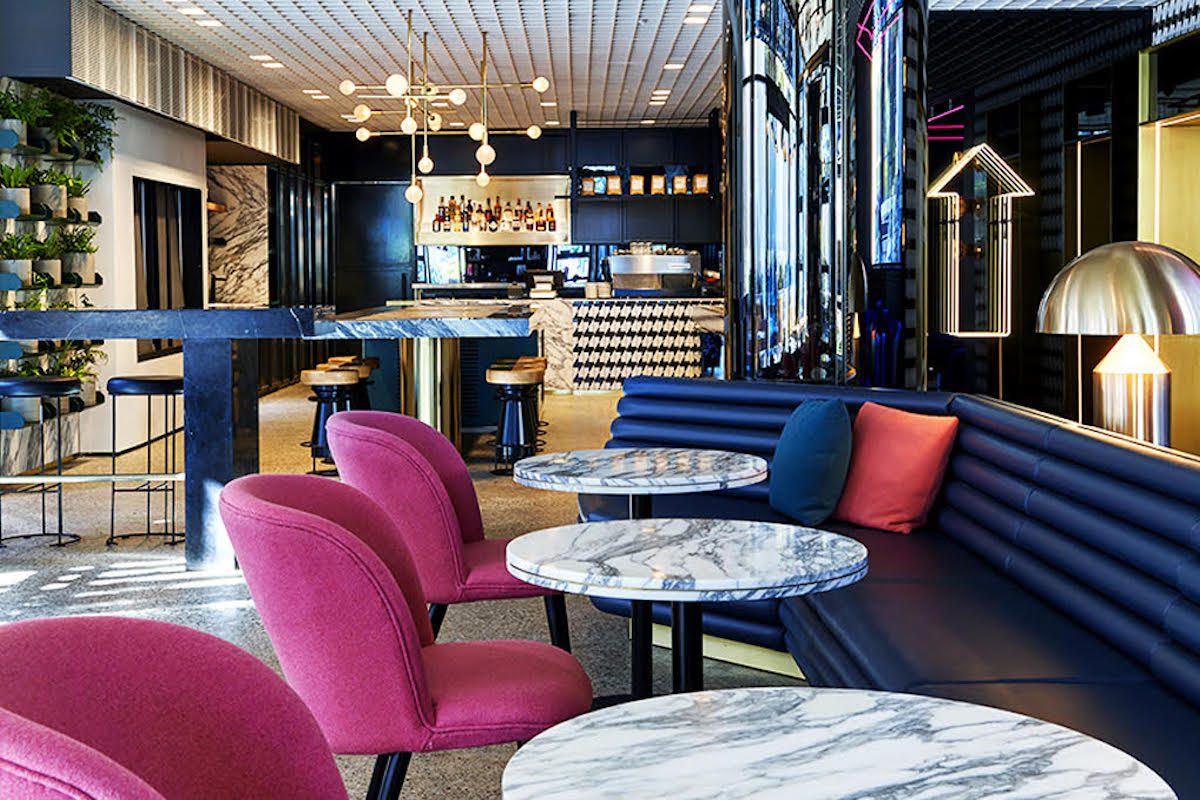

Future hotel guests arriving at their destinations may see reconfigurations to public spaces in response to apps that are changing the way customers interact with the property.
Though the travel industry has been in hibernation for most of 2020, the year may yet close out on a promising note. For TRIBE Hotels, a forward-thinking approach from their 2017 launch to now, amid a rapid global expansion, is paying off despite the pandemic, proving an eye on the horizon can help operators through even the toughest of times.
"A fashion executive and a tech geek walk into a hotel bar ..." But instead of being the start of a bad joke, this is the start of a good story about creativity during a crisis.
Design's importance to travel has taken on a new urgency because of recent events, says Richard Centolella, the pioneering design thinker. We agree, and welcome all the new functionalities.
It's clear there's going to be a new normal when guests start traveling again. Hotels in Asia that are renovating in times of Covid-19 are altering designs, although some things don't change.
There is no turning back on the transformation of low-budget hotels from the “uncategorized” class into a legitimate segment of the global hotel industry. Future technology and the rise of Gen Z will further fuel innovation and change in the design of economy accommodations — especially in Asia.
It’s low-risk for big brands like Gap and Express to launch digital-native wellness brands considering the unfit state of brick-and-mortar sales. If these companies find success, other retailers may follow suit.
There has been a fair amount of industry discussion about how the leading travel and hospitality brands are thinking about design today. But how should the industry evolve to be prepared for future shifts? Why does design matter at all, and why should it matter for travel and hospitality?
The rise of cities and the growth of the global creative class are two major factors that will heavily influence hospitality design in the coming years. Those brands that take the boldest steps to embrace these sophisticated consumers are likely to be the most successful in capturing their valuable attention.