The extra $300 in weekly federal unemployment benefits is an easy political punching bag to use to explain away the hotel industry’s labor shortage problems. Want people back? Pay more and market the industry better.
In Skift's top travel stories this week, we covered Marriott's arrival in Sandals' all-inclusive sandbox, travel manager fears over consolidation, and a startup deal on hotel automation.
Hotel owners have to boost wages above pre-pandemic trend lines if they want to claw former workers back from outside industries. Until that happens, expect a lot of overworked and overwhelmed staffers doing well above the requirements of a typical hotel job.
Hotels were the bright spot in an otherwise disappointing jobs report, but there’s no time for a victory lap. Hiring has to maintain April’s strong momentum, at the very least, to meet summer demand. That’s a tall task in such a tight labor market.
A travel labor shortage isn't what anyone was expecting during a pandemic, but traveler confidence heading into the summer heavily outpaces the ability of many business owners to call back furloughed workers or hire more people from overseas.
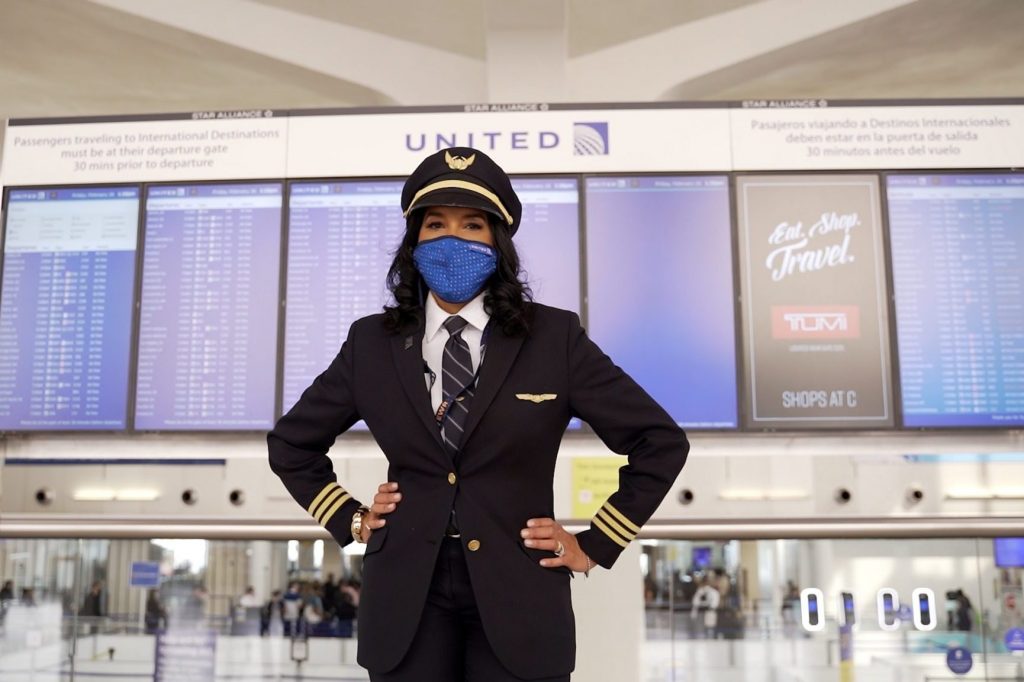
Following the global reckoning of a lack of diversity and inclusion, will United Airlines' push for a more inclusive cockpit be the way of the future, or will it fizzle out? As more pilots retire, the new faces will tell their own story.
Delta is taking a big chance with a forward-looking perspective by re-engaging pilots. Whether it's doing the right thing, or setting itself up for failure, will become much more clear in the months ahead.
The slow winter travel season, delayed vaccination schedules, and people giving up on hotel jobs are pushing the hospitality sector unemployment figures up once again. More vaccines can speed up the recovery (the industry hopes).