American, United, and Delta are all introducing no-frills fares to try to thwart Frontier, Allegiant, and Spirit. It might work, or it might not. But it's worth a shot. The Big 3 do not want any of the discount airlines to grow to be as large and powerful as Ryanair.
Delta is generally considered the most fiscally sound of the U.S big three, and that likely won't change soon. But Delta, like its competitors, needs to come up with a cohesive strategy on how to challenge the discount airlines beginning to move into the trans-Atlantic market.
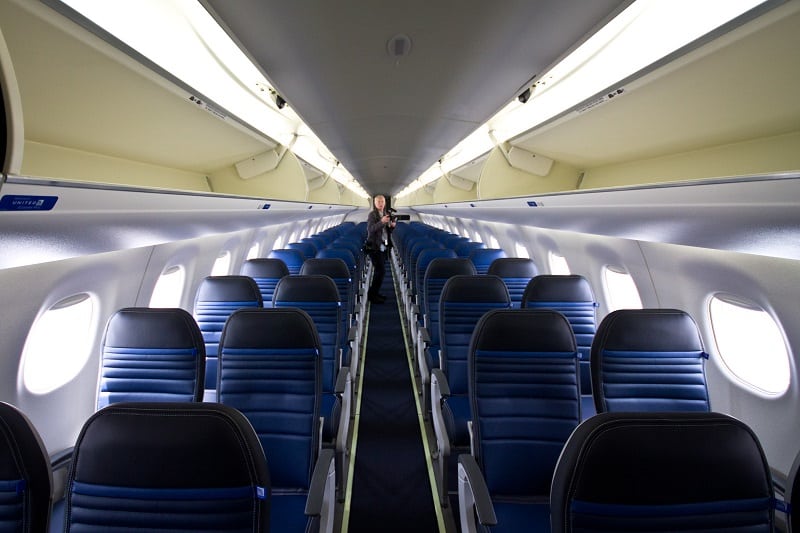
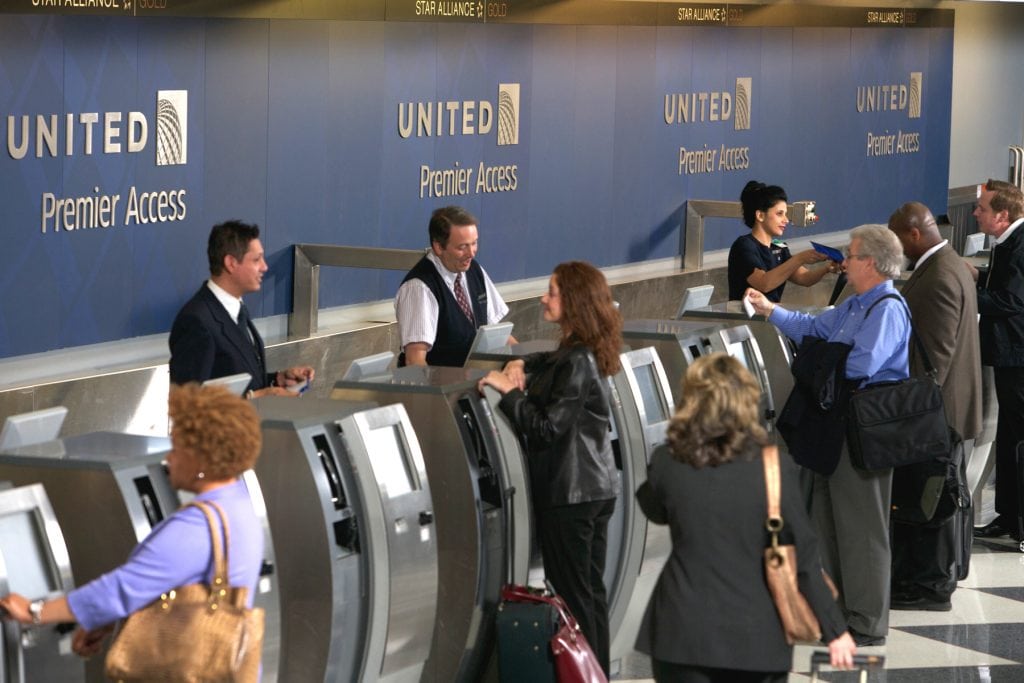
United pushed the launch of its basic economy fares out a few months, giving business travelers a few more months to enjoy the full perks of budget tickets. Slowly, however, the axeman cometh.
British Airways took a page out of Ryanair's playbook on its plans for short-haul catering. And while the planned fee structures aren't too galling, it may still rub some legacy passengers the wrong way.
Given how many changes United has made at the top recently, it makes sense that airline may want to delay this new fare class. The new executive team probably wants to get it right.
While some of fastjet's wounds have been self-inflicted, it hasn't been helped by problems in key markets. The radical turnaround plans initiated by the new CEO seem like the last throw of the dice.
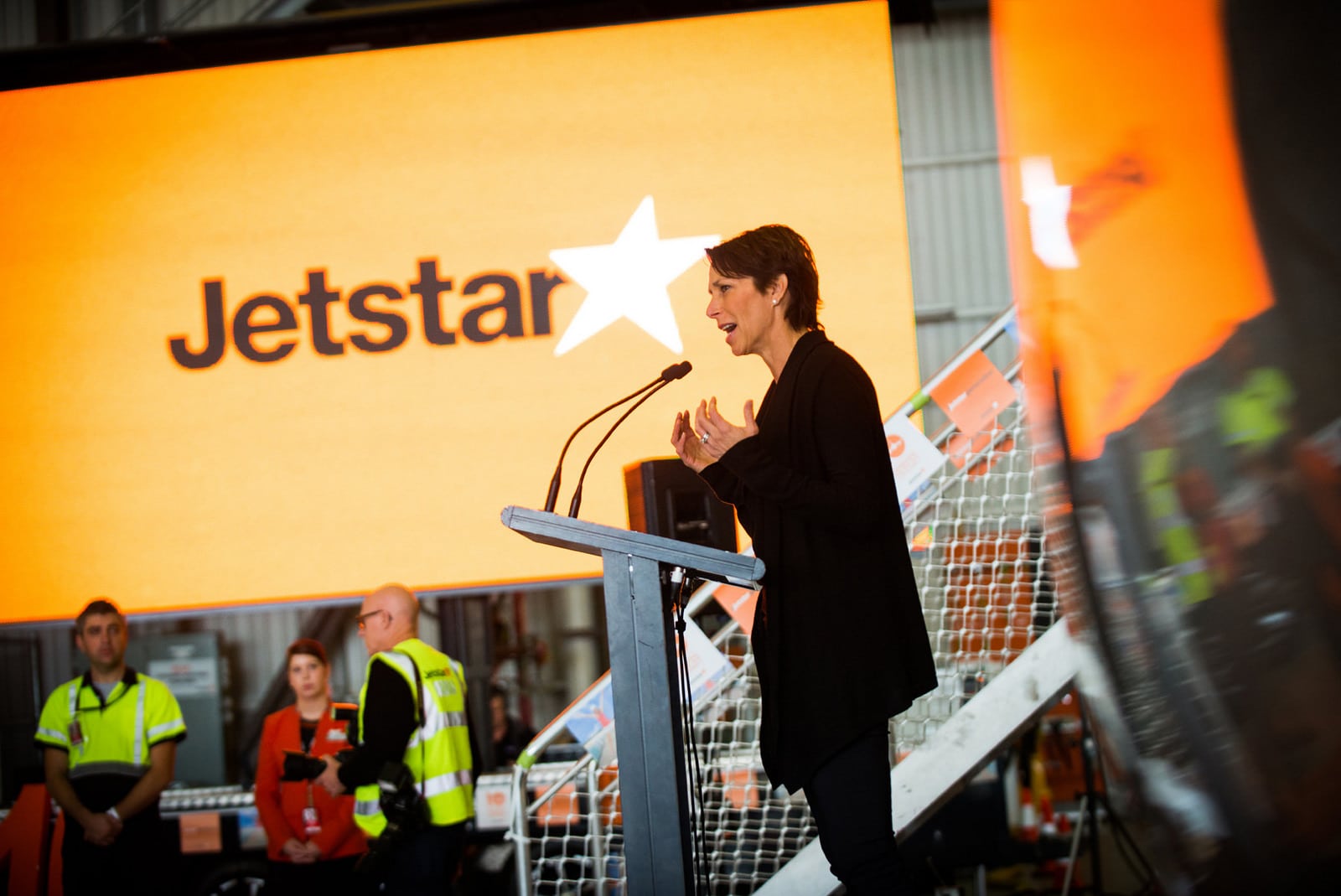
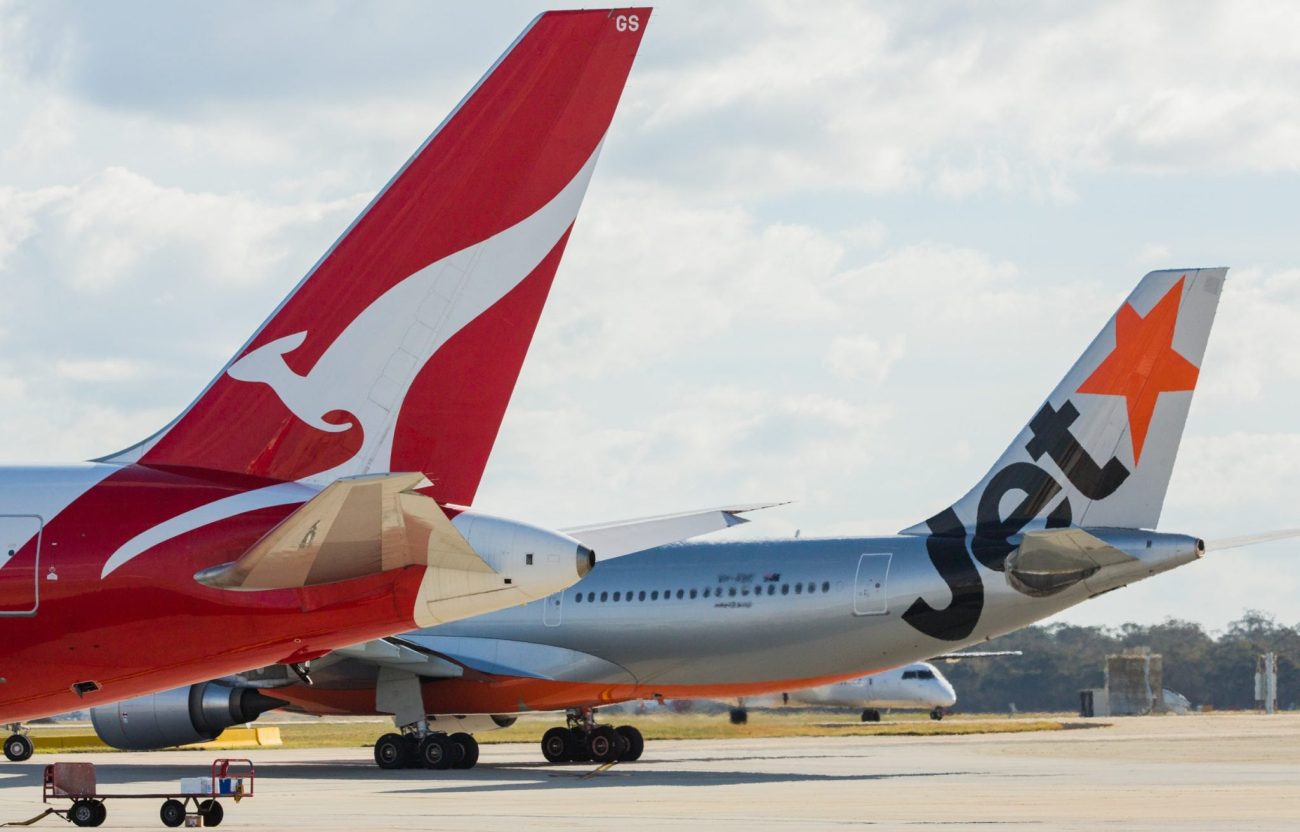
What Jetstar Group has done is nearly impossible. It has taken five different airlines in five countries, most with different investors, and operating them as one brand. So far, it's worked out pretty well.
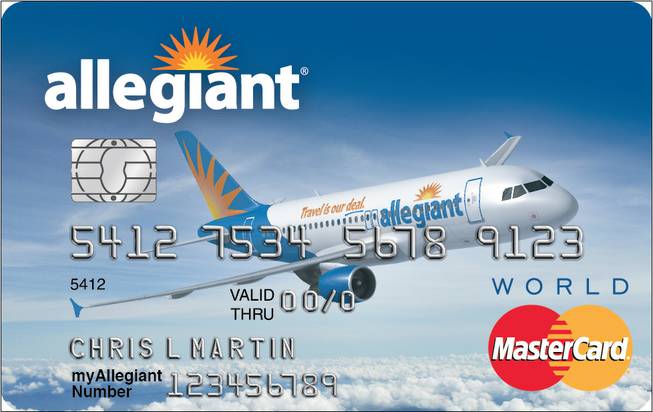
Allegiant Air knows less about its most loyal customers than it would like. Its new co-branded credit card could help change that. But will anyone apply for it?