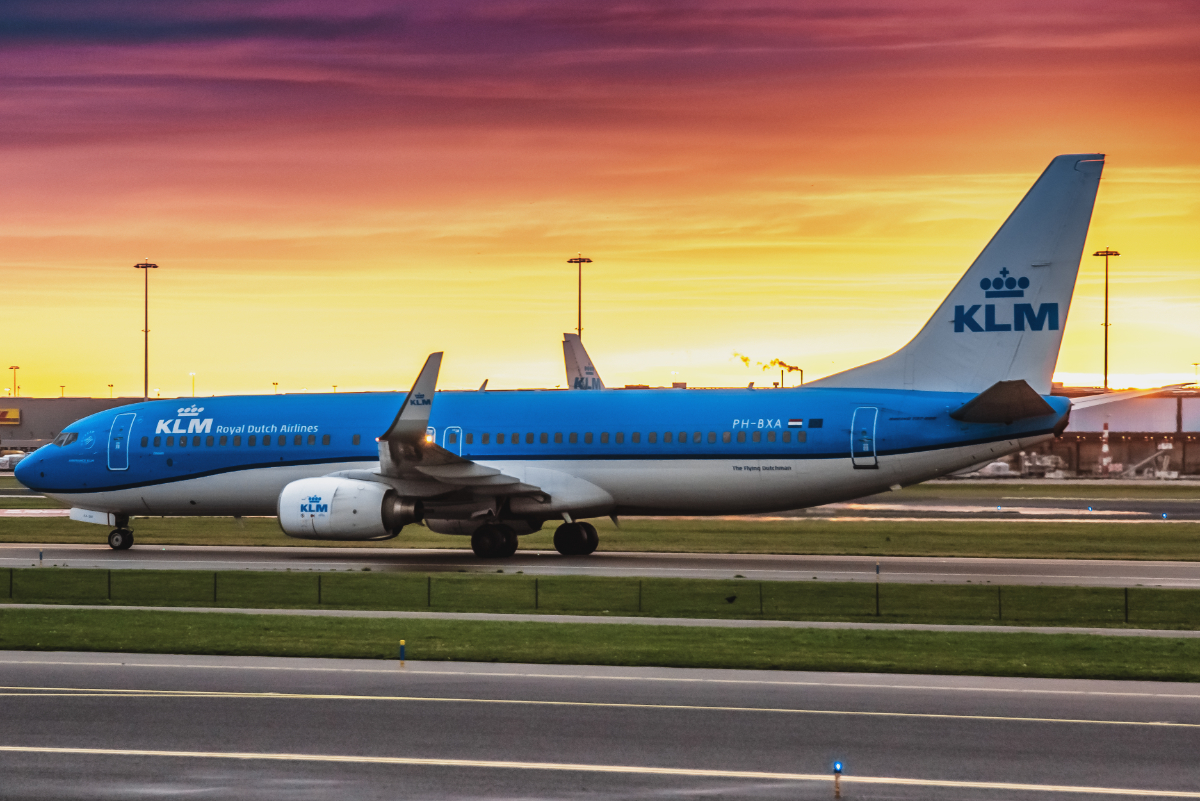
After years of hype, Air France-KLM finally plans to take stronger measures to prompt corporate travel agencies to adopt next-generation methods of processing bookings. Yet its serial delays underscore how hard it is to make industry changes.
Airline distribution's fate may lie somewhere between the skeptical view of Tom Klein, the former CEO of Sabre, and the optimistic view of Alice Ferrari, the CEO of Kyte.
Travelport is certainly firming up a lot of the themes alluded to in its rebranding. And it's good timing, as the travel tech giant's reincarnation may well coincide with the business travel sector's delayed recovery.
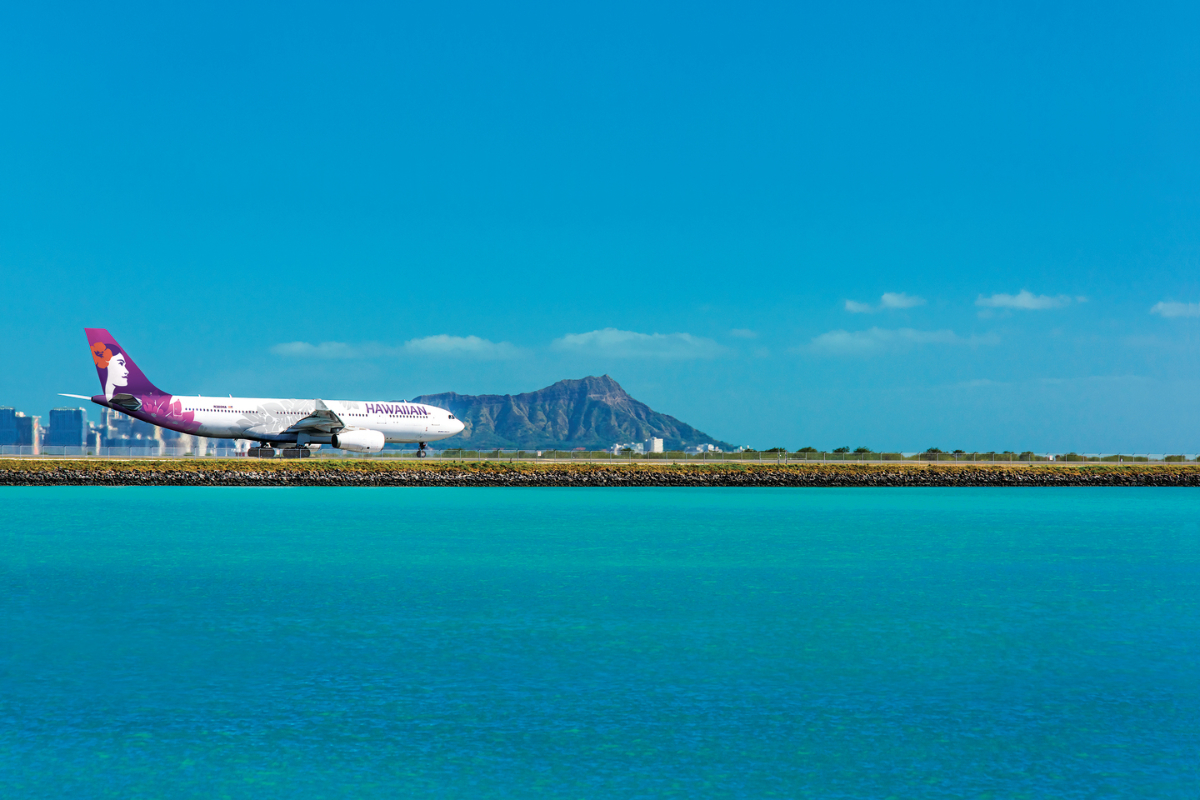
For years, a handful of large airline groups outside of the U.S. have slapped surcharges on airfare sold via legacy technology. Hawaiian is the first U.S.-based airline to add distribution surcharges.
Western companies such as Hopper and Amadeus are lining up to sell enterprise tech solutions to Trip.com Group. That's because the Chinese travel powerhouse is in a shopping mood. It sees back-end technology as critical for making further market share gains in Europe.
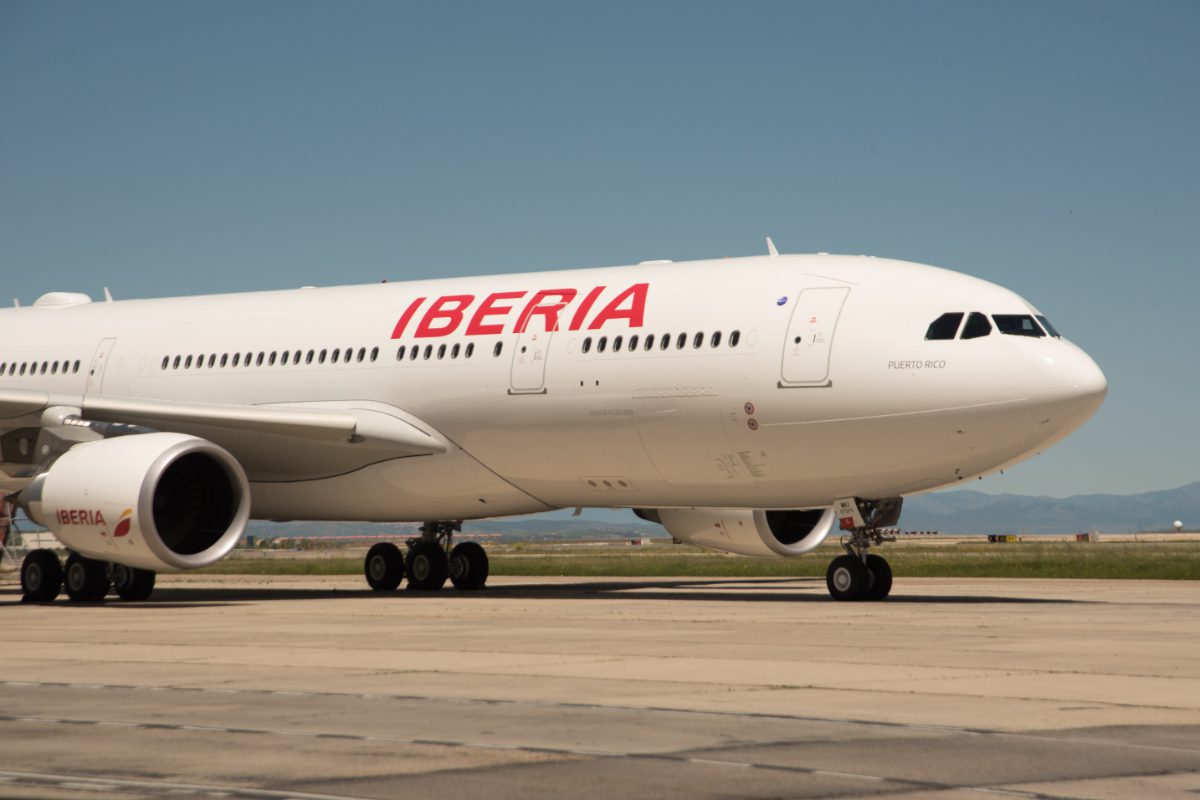
The Spanish flag carrier is overhauling its distribution process and plans to introduce new products in 2022. Its story provides insight into a flurry of announcements by other carriers aiming to make similar moves.
Blockchain distribution, and how it can eliminate the need for intermediaries, has been discussed for some time in travel. When these bigger players take a seat at the table, the rest of the industry needs to pay attention.
The story of why Tye Radcliffe, who had been the top distribution executive at United, recently took a role at Accelya suggests a broader tale about a shift in tech dynamism between airlines and vendors.
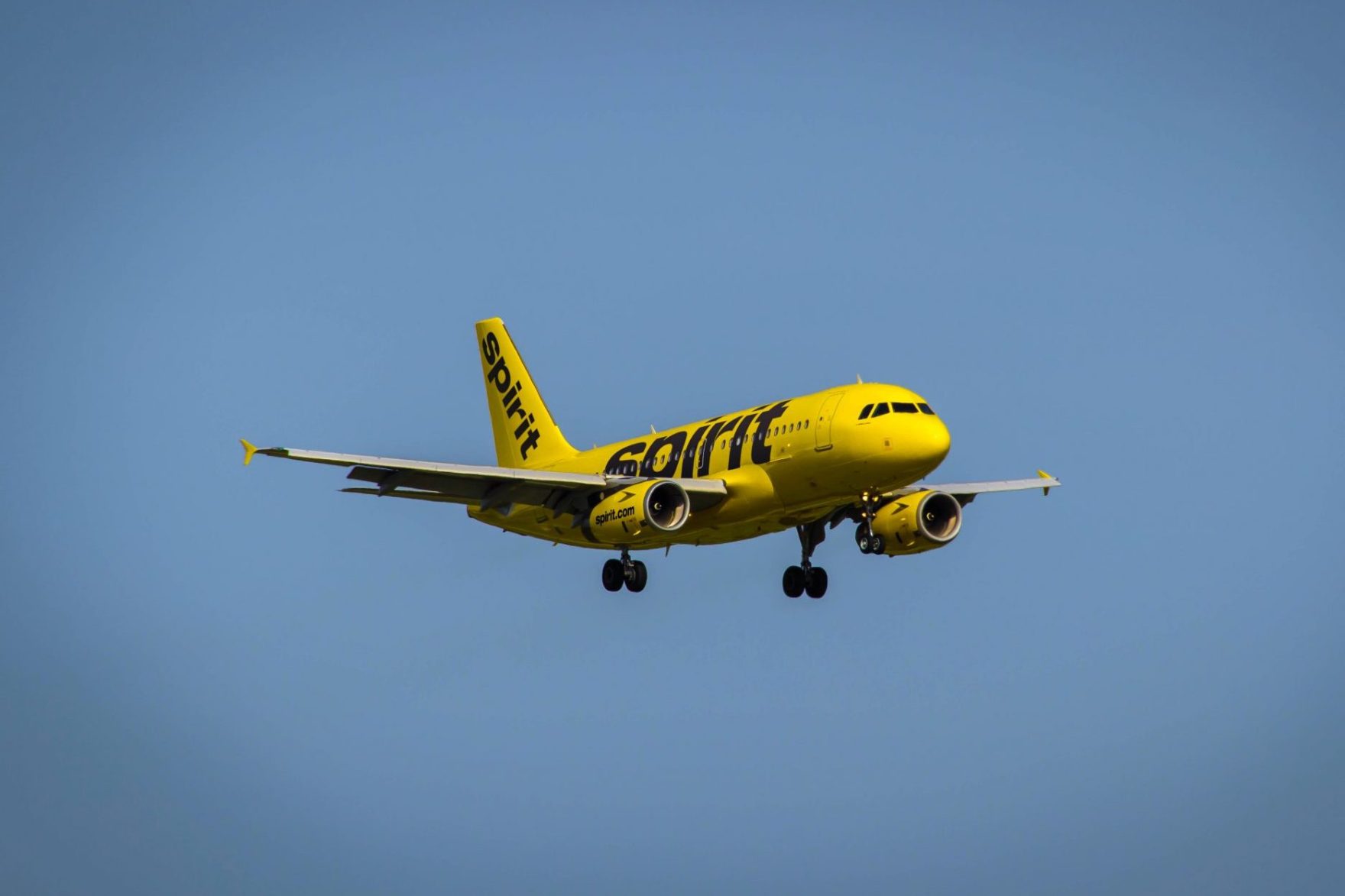
A significant ancillary play from the Canadian online travel agency, but not quite the leap forward for so-called new distribution capability in the U.S. many would want to see, given Spirit's reach and target flyers.