It's nice to see United Airlines on the offensive again. Look for more flights on bigger jets in key business markets from United, which has fallen behind American and Delta in some important urban markets.
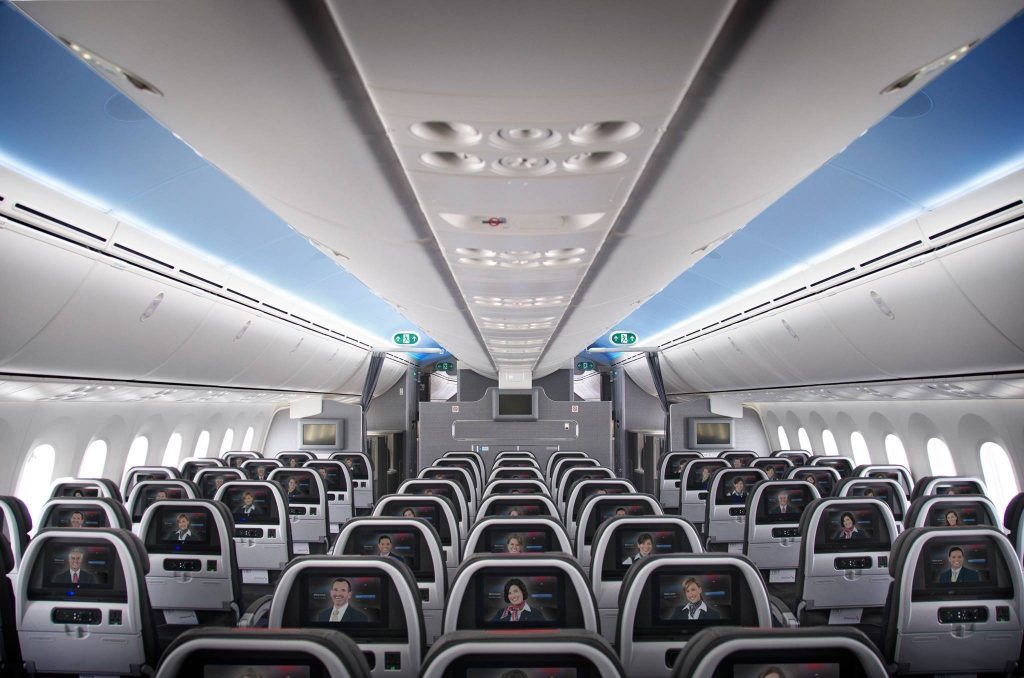
Maybe five years ago, it would have been bad news if an airline decided not to add in-seat screens. But times change, and many passengers prefer to watch content on their own screens. This is not a big deal.
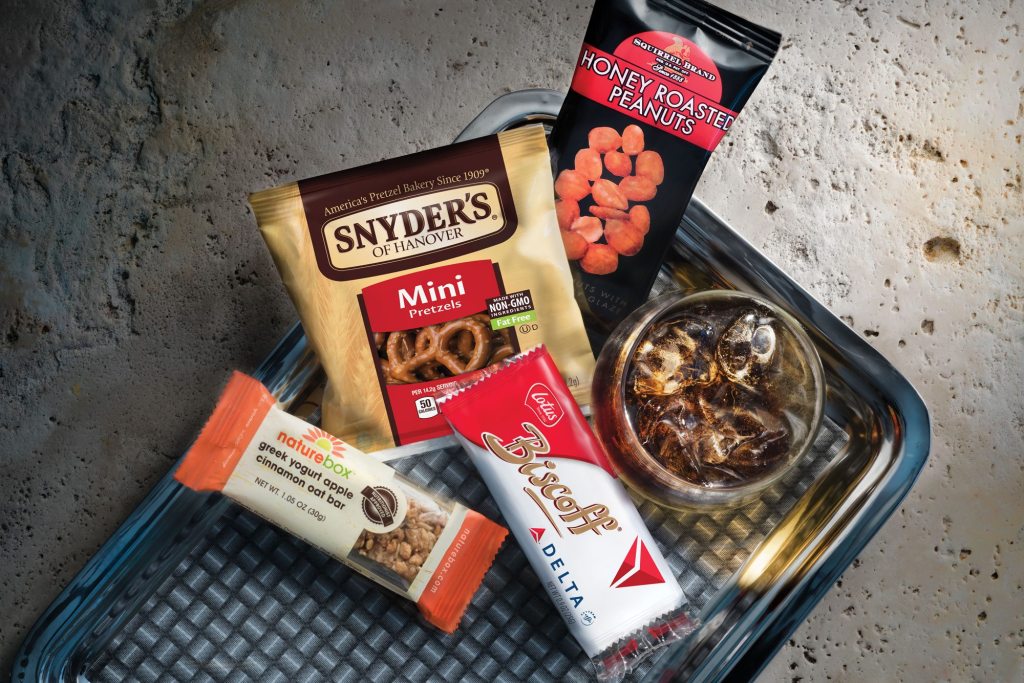
Passengers probably should not get too used to all those new amenities in coach, like free snacks or booze on long-haul flights. If the economy falters, they could disappear again.
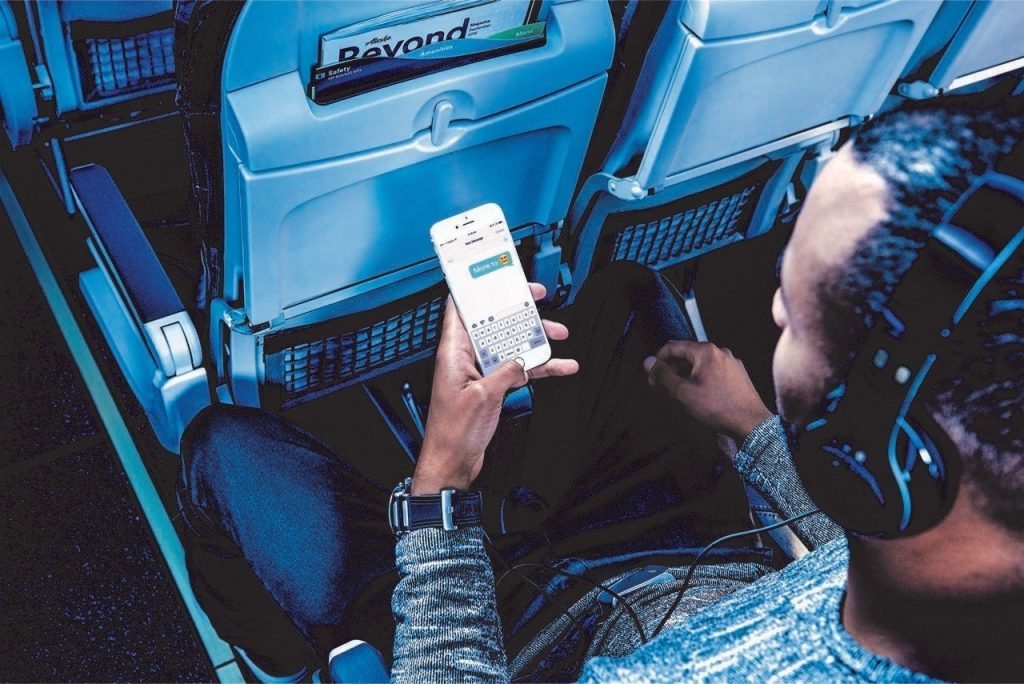
Young travelers may have a new reason to consider Alaska Airlines -- the carrier just opened up free mobile messaging on all of its WiFi-equipped flights.
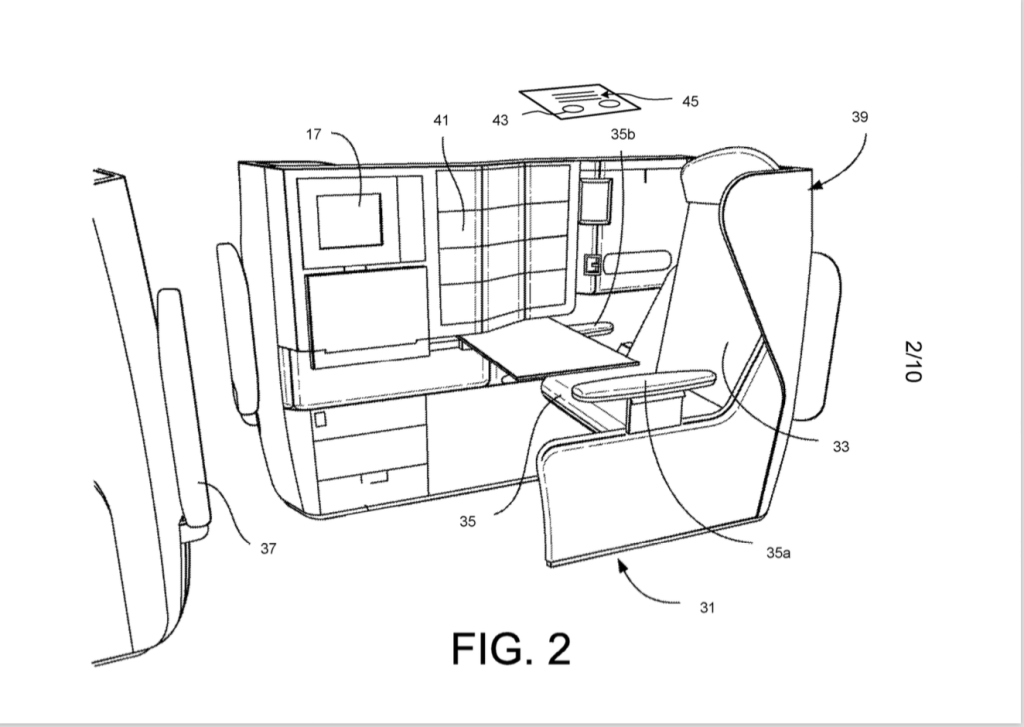
Who says airlines and suppliers can't innovative? Every year, they file for many unusual patents to protect their intellectual property. The problem? Most of the ideas never hit the market.
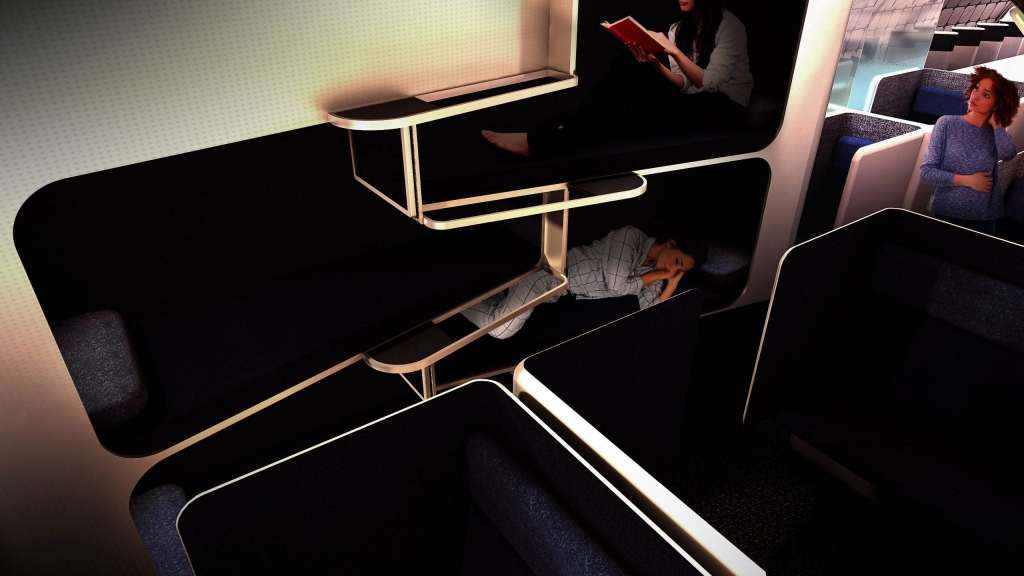
The basic aircraft cabin has not changed in decades. Airbus wants to give airlines flexibility to innovate, and that's impressive. But let's be honest. It is unlikely carriers will ever adopt Airbus' new platform. And if they do, it's even less likely they use the new functionality to install coffee shops or onboard gyms.
The DOT doesn't have as much regulatory power as other government agencies, so it's doing what it can to try to protect consumers. At the least, if an airline permits voice calls, it will have to tell consumers what it's doing — before they buy a ticket.
Even if this test goes nowhere, and Delta stays with the status quo, you should give the airline some credit for trying something new (even if it's old). This is why most insiders believe Delta is the most innovative major U.S. carrier.