Dubai Airport has surpassed pre-pandemic levels during the initial half of 2023. However, its projection for the entire year still falls slightly short of 2019 numbers. Call it "cautious optimism."
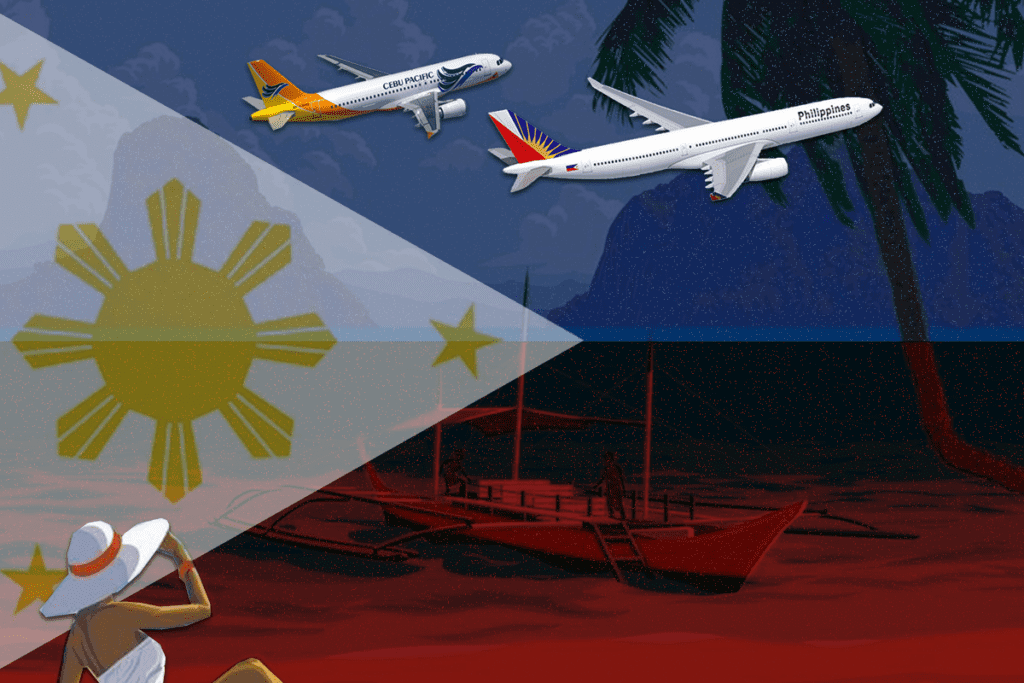
For years, the Philippines featured a classic airline narrative: A bright young low-cost carrier making life miserable for a stodgy old money-losing legacy carrier. Now the roles have switched.
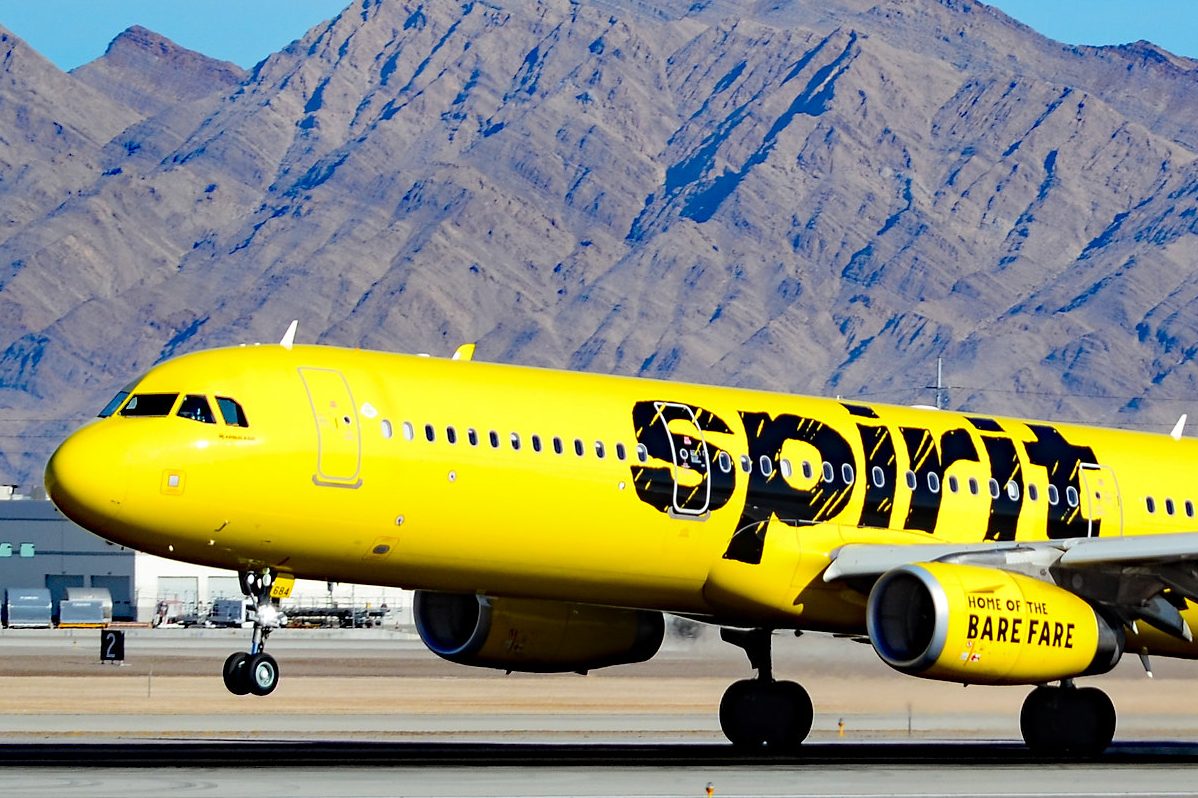
In Skift's top stories this week, Spirit Airlines and Frontier Airlines unveil plans to merge in a massive deal, Philippines Airlines makes a tumultuous leadership change, and European officials implement new metrics for measuring tourism success.
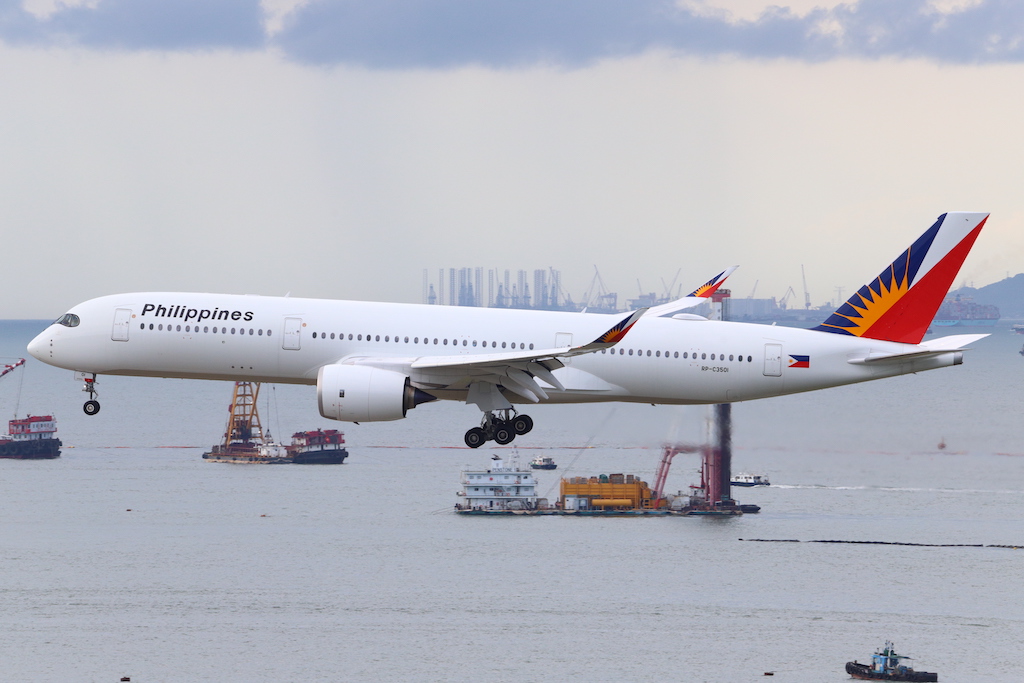
Philippine Airlines has finally exited from Chapter 11, with debts erased and new capital infused. But will these be enough to keep it flying with clearly too many pilots in its cockpit?
Bankrupt Philippine Airlines will end service to New York and Toronto as part of a rejigging of its route map under a restructuring plan it filed with a U.S. bankruptcy court on Thursday.
A handful of families in the Philippines controls 70 percent of the country's tourism industry, owning key travel infrastructure such as airlines, hotels, resorts, shopping malls, and tourist attractions. Is that tight control a formula for future success?
It's understandable that Sri Lanka wants arrivals to return to pre-Easter bombing levels soonest. The challenge is knowing what measures are needed, amid the sense of urgency that can cloud the mind.
No doubt Philippine Airlines' call centers will be more cost-efficient and friendly, given its new president's extensive background on this. But it will take more than that to beat those agile low-cost carriers.