Travel disruptions due to unforeseen events may have led to fewer bookings among Indians, but they are making up for it by spending more for the premium experience of travel.
The global airline sector is in a growth phase, with annual revenue on pace to reach $1 trillion, driven by strong leisure demand and the significant rebound of business travel.
According to Vikram Oberoi, it’s time Indian hotels stopped selling themselves short. He’s betting that Indian guests are ready to pay more, especially for top-tier stays.
The remarkable resilience of the airline industry in the post-pandemic period is being tested once again, this time by a forced restructuring of the global economic order. As a result of recent tariff announcements, economic uncertainties are likely to reduce passenger demand, compel airlines to adjust their capacity, exacerbate supply chain issues, and potentially lead to some airlines going out of business
With the economy stabilizing and leisure and business travel bouncing back, investors like GIC are betting big on the “next wave” of premium hotel demand. The SAMHI deal signals not just confidence in the sector, but in the evolving Indian traveler.
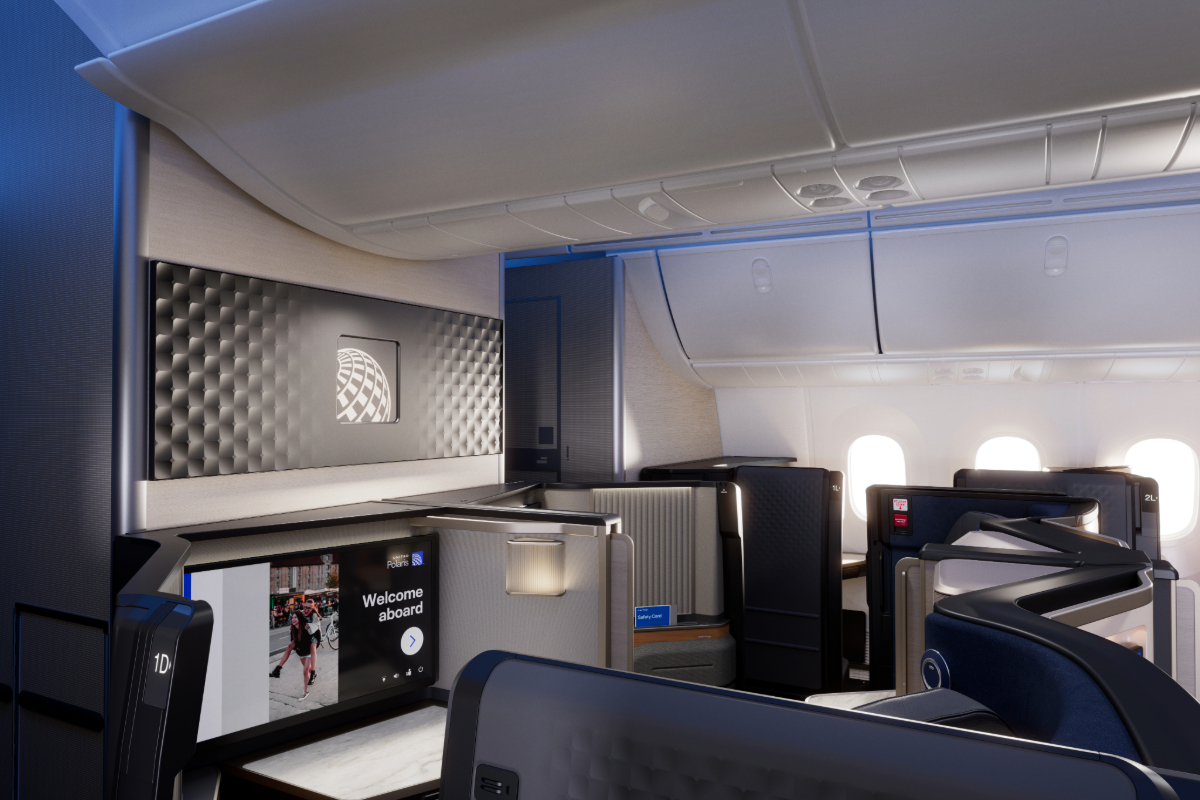
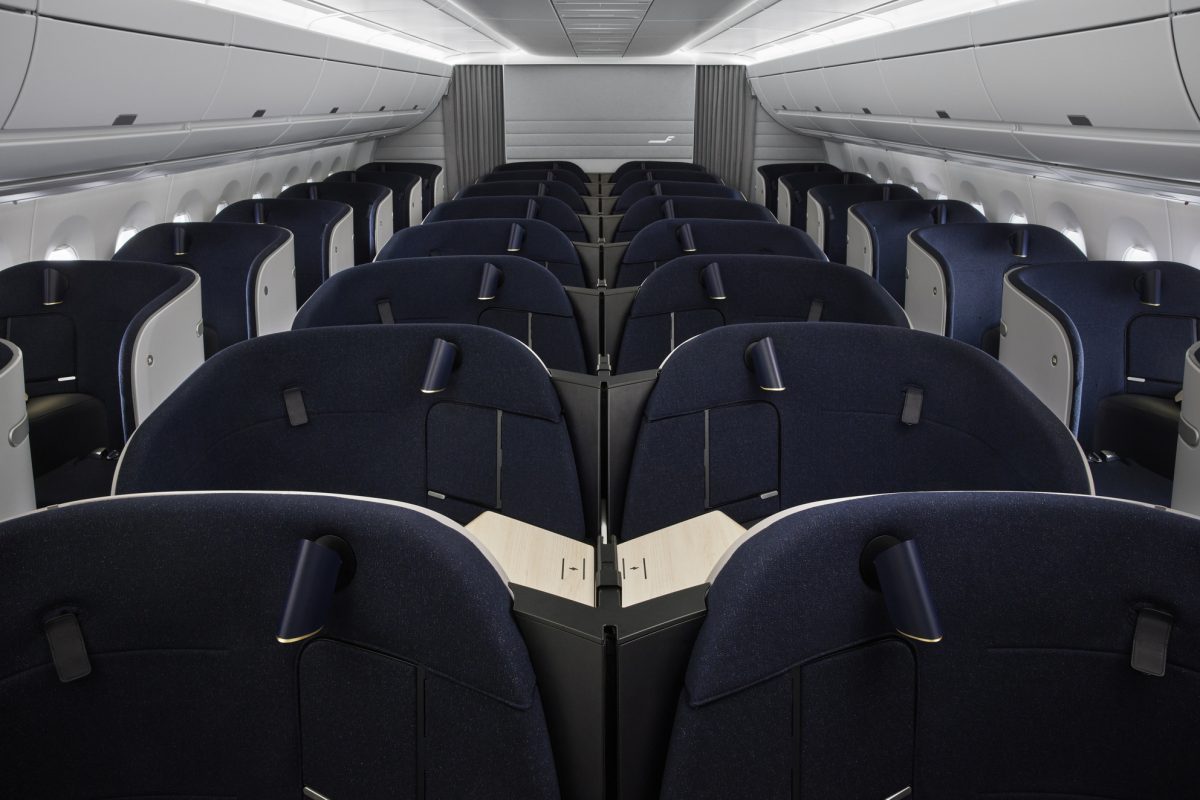
The 'unbundling' of airfares has spread into business class at premium carriers like Qatar Airways, KLM, and now Etihad — with the trend showing no signs of slowing down.
With budget hotels facing increasing challenges in the UK, Oyo is smartly shifting its focus toward premium properties. With this, Oyo is not just diversifying its portfolio, but also ensuring a sustainable, long-term growth.