
Restaurants and other in-destination experiences for locals and travelers will play an increasingly important role in TripAdvisor's future over the next few years. They enable TripAdvisor to diversify away from casual leisure travelers toward restaurant and tour patrons who might book way more frequently.
Direct booking is not really a war where one side must lose. Both the large hotel chains and online travel agencies could wind up better off if they act rationally on pricing.
If publicly traded companies such as Google are bound by fiduciary duties to shareholders, then Google, which already has one of the largest travel businesses in the world, larger than the Priceline Group, TripAdvisor and Ctrip combined, would be foolhardy to shoot its advertising business in the foot to become an online travel agency.
Glenn Fogel is the heir apparent, even if he is the first time CEO. Fogel knows the company and the industry's competitive dynamics as well as anyone on earth and played a huge role in getting the Group to the top of the heap.
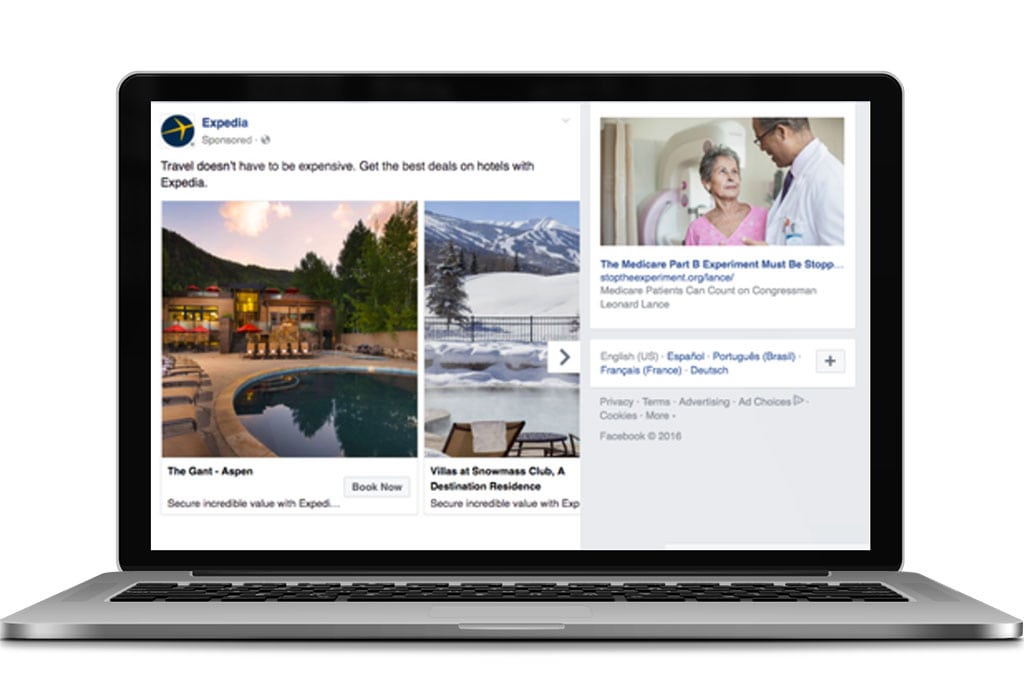
Google is getting disrupted on a number of fronts and the emergence of Facebook as a viable advertising alternative -- or supplement, actually -- for Expedia and other big travel advertisers is part of it.
It's not around the corner but you can expect China's Ctrip to set up shop to compete against online and offline travel giants in the U.S. Breaking in through acquisition would be an obvious strategy although it's unclear whether that's actually part of Ctrip's seemingly very active strategic plan.
There has been serious talk about artificial intelligence in travel for the past couple of years. While Expedia CEO Dara Khosrowshahi wasn't talking about implementing artificial intelligence for customer service in the next quarter or two, be assured that Expedia and others are working on it hard.