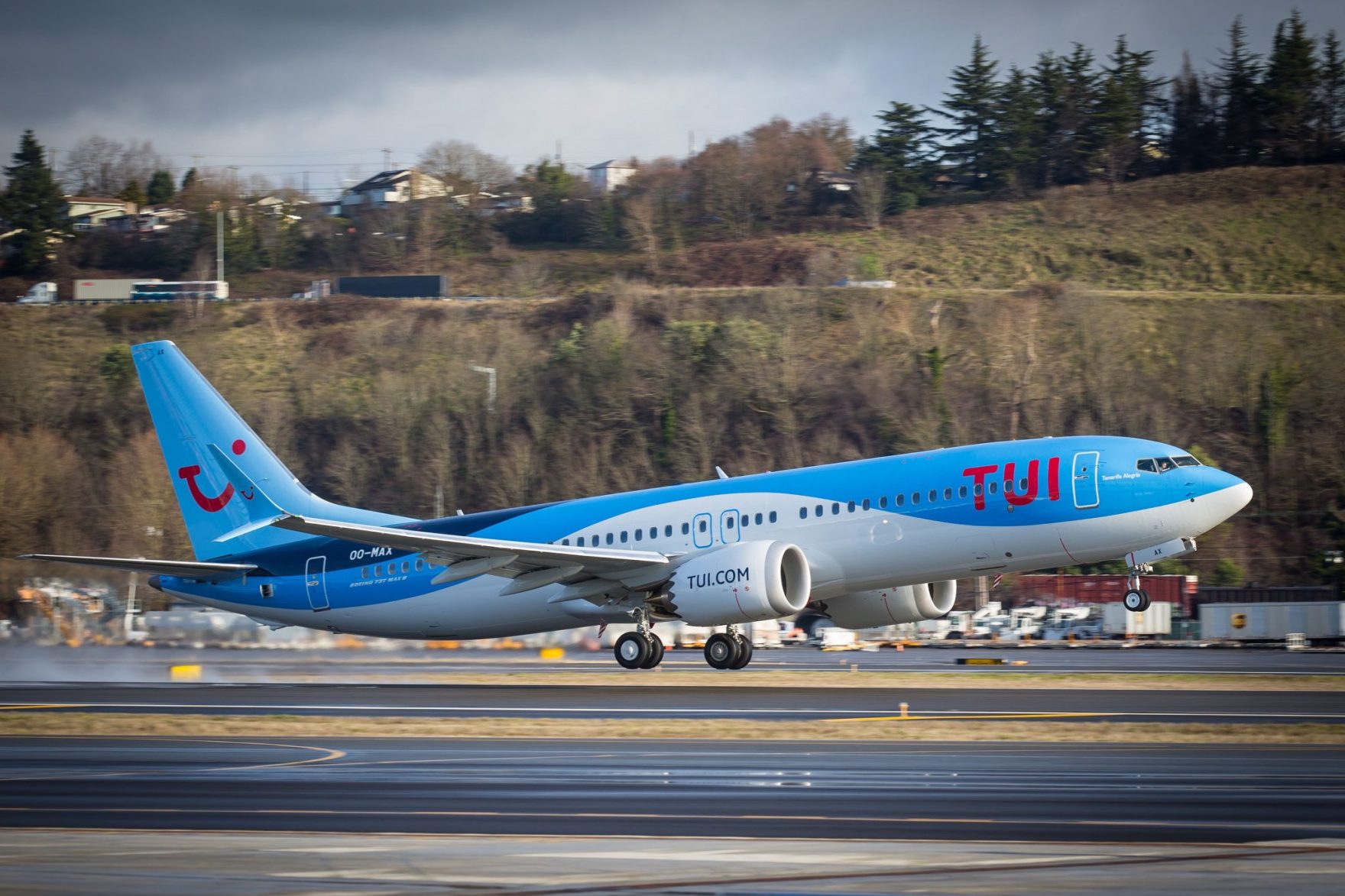
TUI is grappling with operational challenges due to ongoing delays in Boeing aircraft deliveries. But the European tourism giant still produced record revenue for its hotels, resorts, and cruises.
Although inflation is still impacting many Americans' travel plans, the U.S. travel industry is poised to have its biggest Memorial Day weekend in years — another major step in its recovery from the pandemic.
Despite rising prices, many U.S. travelers are protecting their travel budgets, said the latest survey by Skift Research. We're cautiously optimistic about this trend.
An increasing number of Americans have started to feel the pinch of increasing travel prices. Thirty-four percent of Americans, 10 percentage points higher than last October, plan to decrease their spending on travel in the next 12 months.
High season ... what high season? In September, 57 percent of Americans traveled, 10 percentage points higher than last September. The normal fall slump after the summer months did not occur, highlighting how the vacation season is being stretched as demand — and prices — remain high.
Tour operators believe inflation isn't slowing down travel demand. But they're fighting hard to ensure their sector's recovery won't take a hit if they can't avoid passing on rising costs to consumers with limited travel budgets.
More companies are opting for dynamic and not static pricing because there's little risk of rates getting back to 2019's highs this year. Are airfares next?
There's a danger in the surging average daily rates as travel takes off: Luxury hotels don't have the staff or the ability to live up to inflated rates. This presents a long-term danger to carefully cultivated brands.
Many people in the U.S. have suddenly become worried about inflation. But experts and executives say the latest price hikes are mostly "good" inflation ... at least as far as the travel sector is concerned.