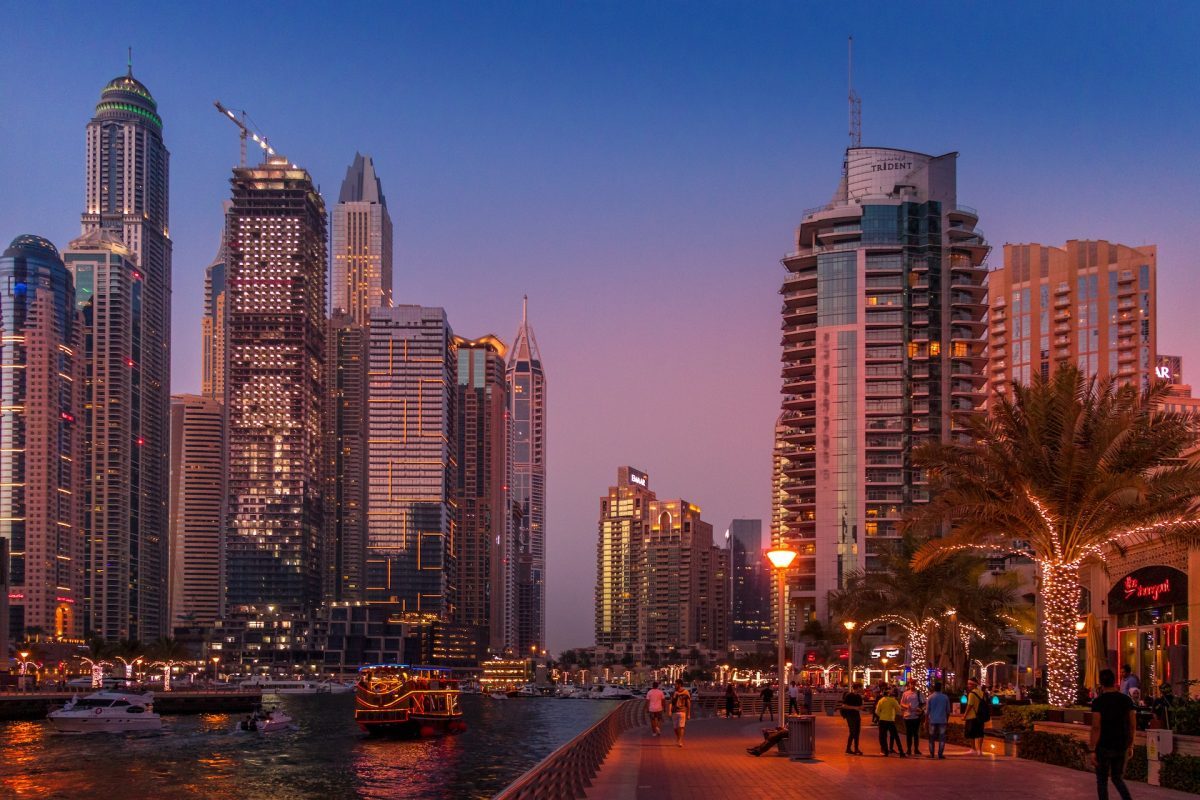
It's interesting to note how each of Dubai's ambitious economic predictions rests on its tourism prowess and its ability to attract international visitors.
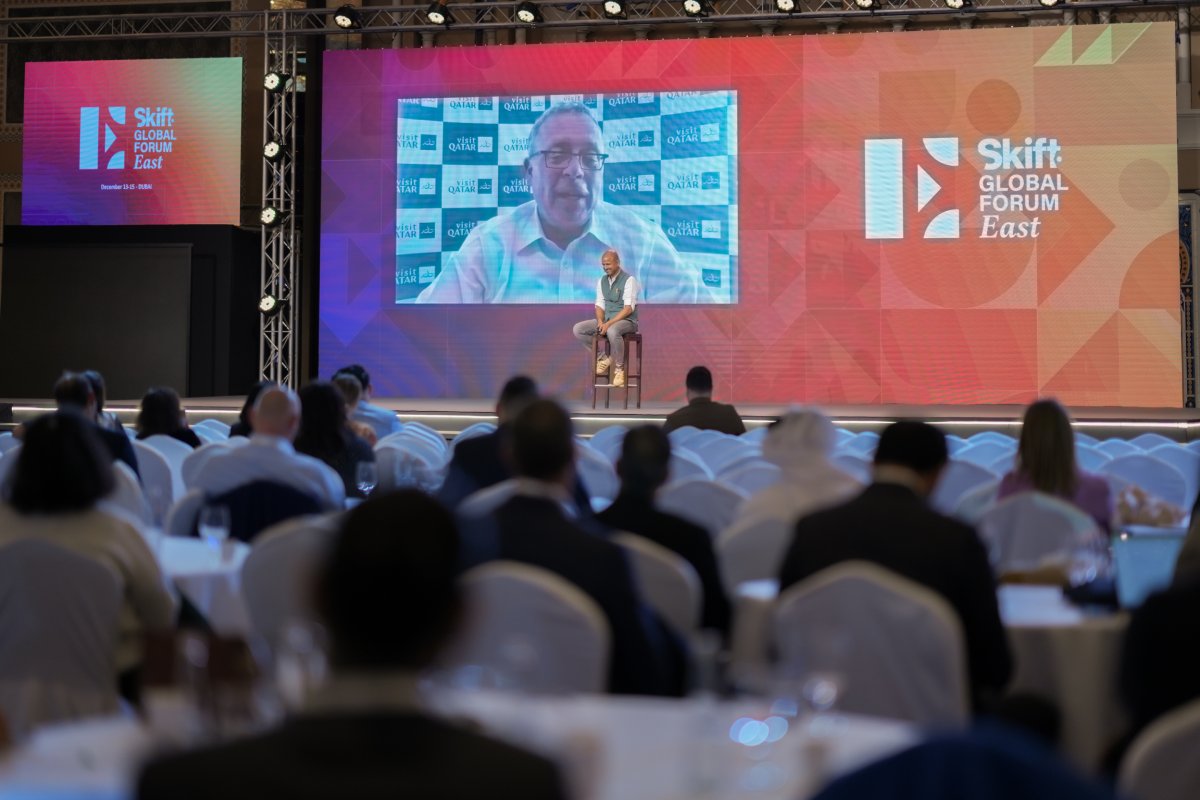
The World Cup gave Qatar the opportunity to show the world its possibilities as a tourist destination. Once the World Cup is over, global public attention will scatter and memories will fade. Officials say they'll be happy as a vibrant stopover destination.
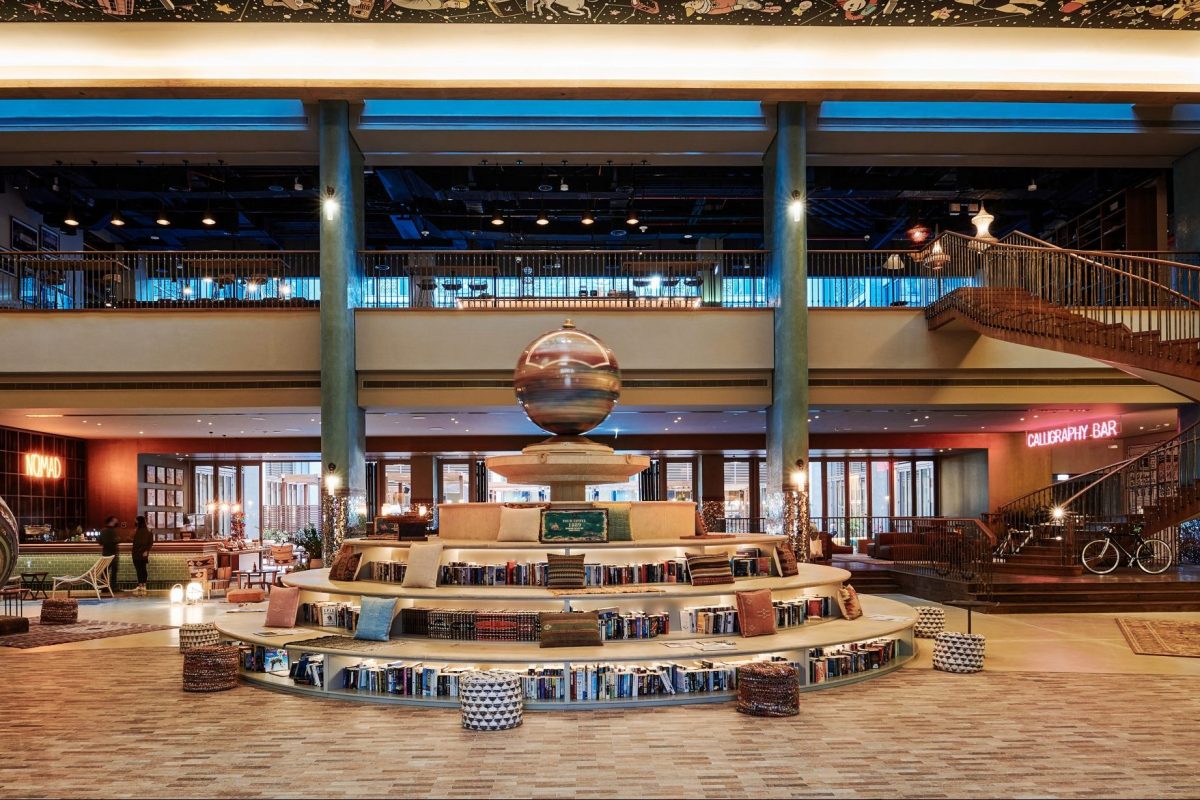
Even as global hotel development may have slowed down due to serious risks looming over the economy, the hospitality sector's development of Gulf nations remains robust. The nations realize offering choice is essential for people to visit a destination.
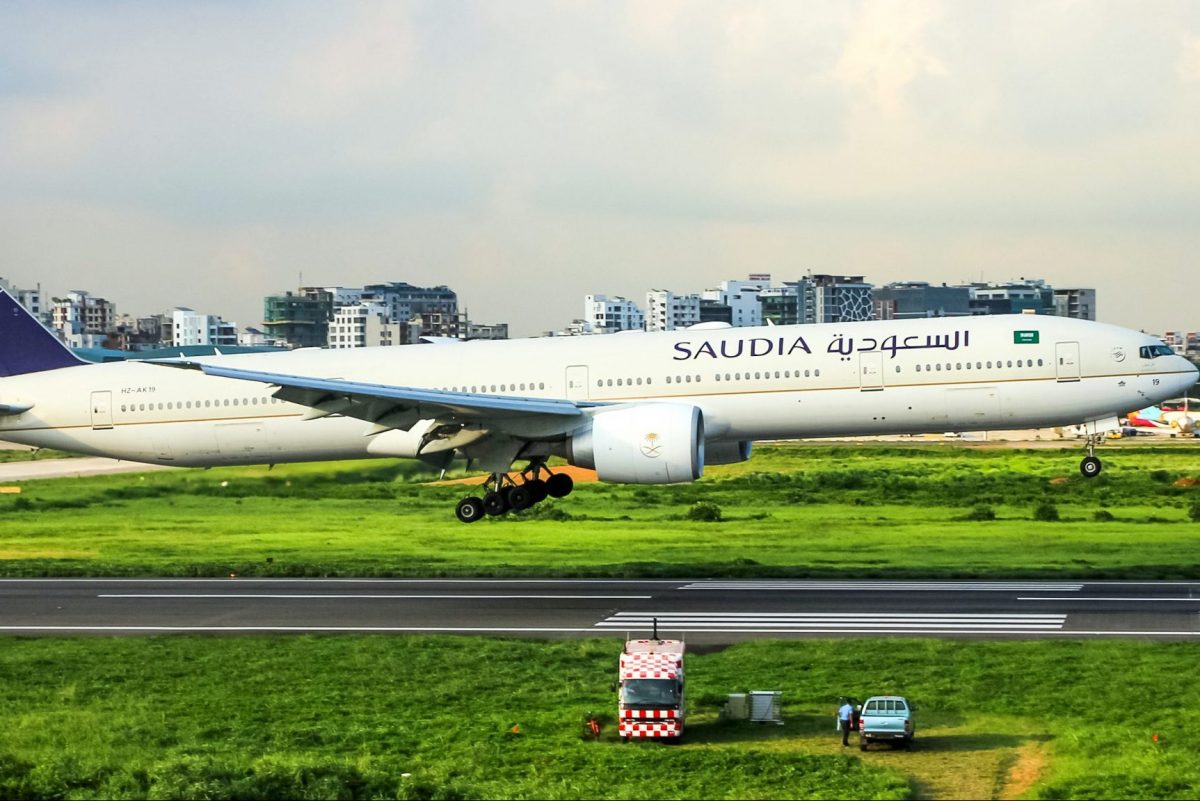
With an ambitious strategy to increase visitors to more than 100 million annually by 2030, Saudi Arabia clearly doesn't want to be caught off guard with inadequate infrastructure.
Destinations in the Middle East are not just turning to tourism in an effort to diversify their national economies but positioning themselves to compete on a larger scale globally.
Qatar has made strides since my last visit a year ago, with more of a cultural pulse, less friction for guests as large-scale hospitality and infrastructure projects come online ahead of the World Cup. Officials are hoping once the players leave the pitch for a final time in December Qatar will have earned its credentials as a lasting tourism fixture in the region.