It's not surprising that the Middle East is prioritizing hotel development to accommodate a growing influx of tourists. This proactive approach aligns with their broader economic and tourism strategies to foster long-term growth and competitiveness in the global tourism market.
Hopefully this demand from travelers will encourage more tourism businesses to adopt sustainable practices as it now makes business sense for them to do so.
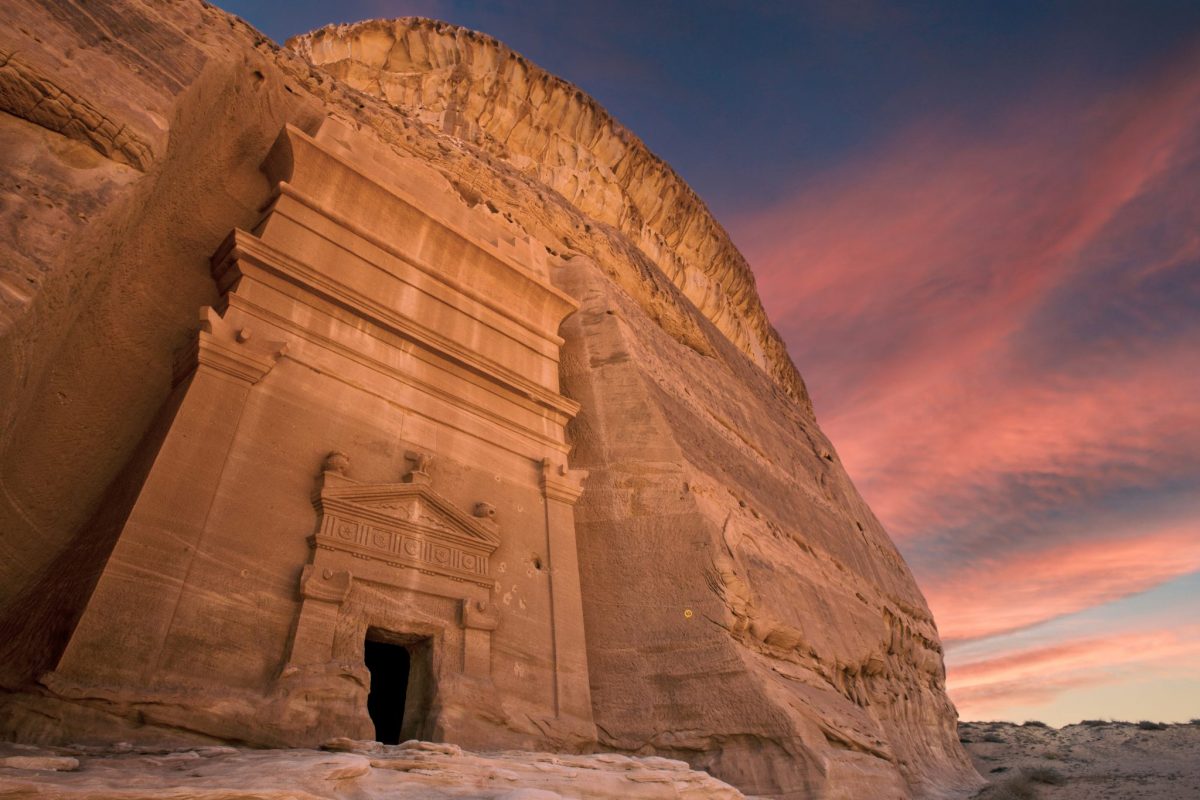
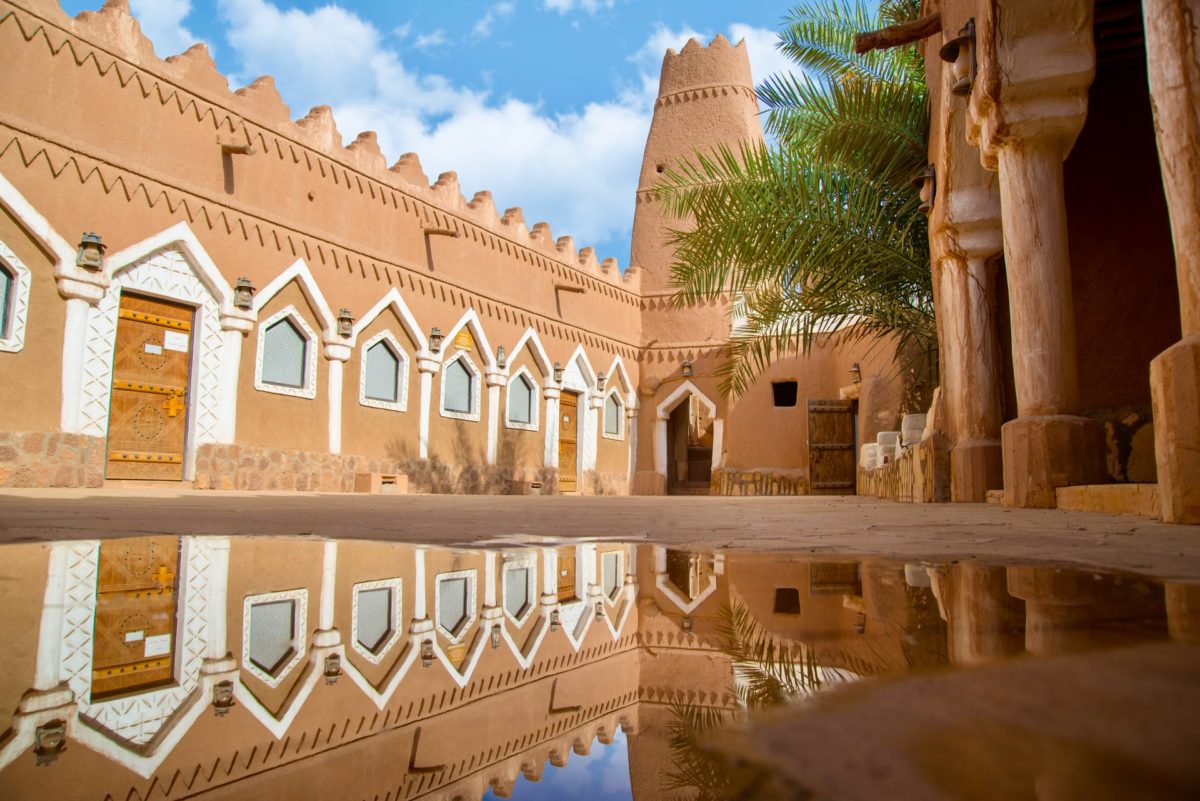
A partnership with Trip.com could help Saudi Arabia make inroads into the China market. Saudi hopes to draw 3.9 million Chinese visitors per year by 2030.
The aviation industry in the Middle East has greatly benefited from its strategically important geographical location, that enables airlines to establish easy connections to continents across the globe.
Today’s edition of Skift’s daily podcast looks at Amsterdam’s latest tourism initiative, empty offices for digital nomads, and Dubai’s alcohol tax reprieve.
The sheer number of hotel openings in the region indicates that the Middle East is making sure that it has enough capacity to accommodate the growing number of tourists.
With ambitious tourism targets, destinations in the Middle East would do good to pay heed to actor Idris Elba's suggestions to tap the creative sector.
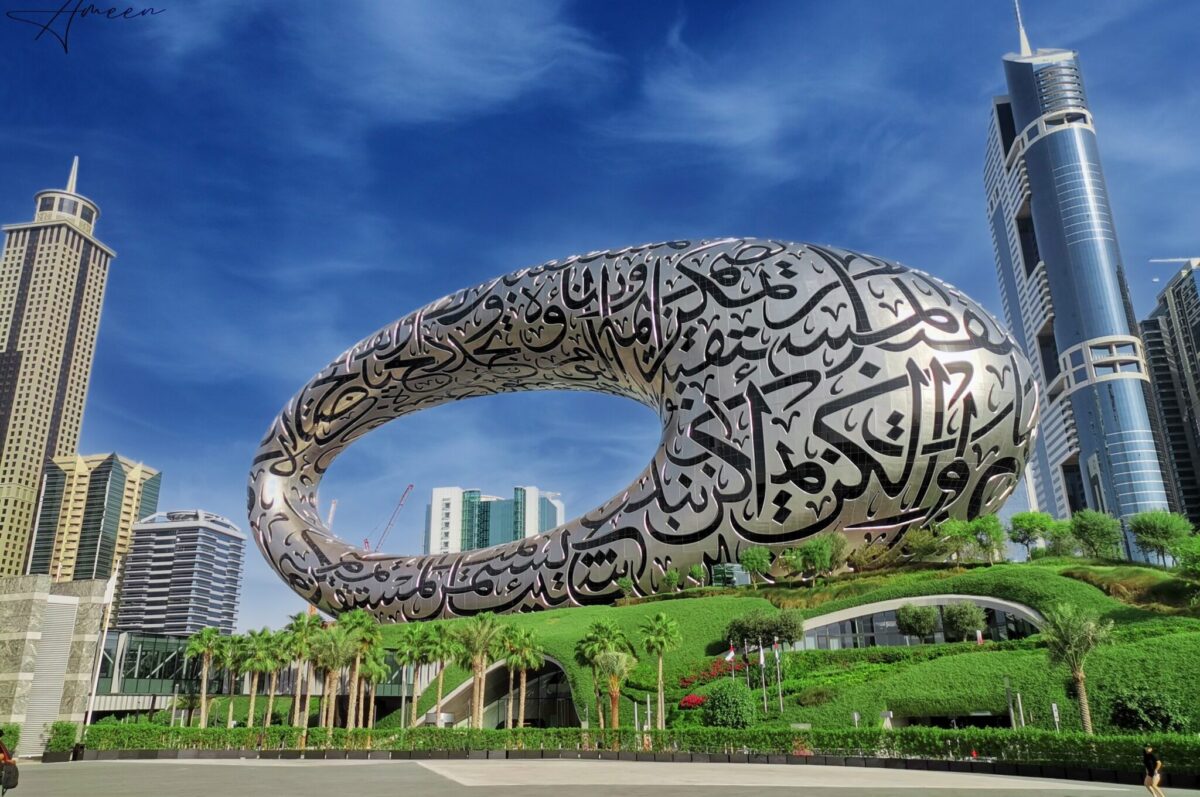
As countries in the Middle East set ambitious tourism targets for the future, Saudi Arabia is investing in infrastructure to drive numbers, while Dubai is investing in technology to adopt "Smart Gates" at Dubai airport and looking to make air taxis a reality.