When online travel agencies can't get permission to access a major airline's flights, particularly its lowest fares, they often engage in a cat-and-mouse game to get them. The outcome can have dire consequences for smaller OTAs, and adversely impact the larger ones, as well.
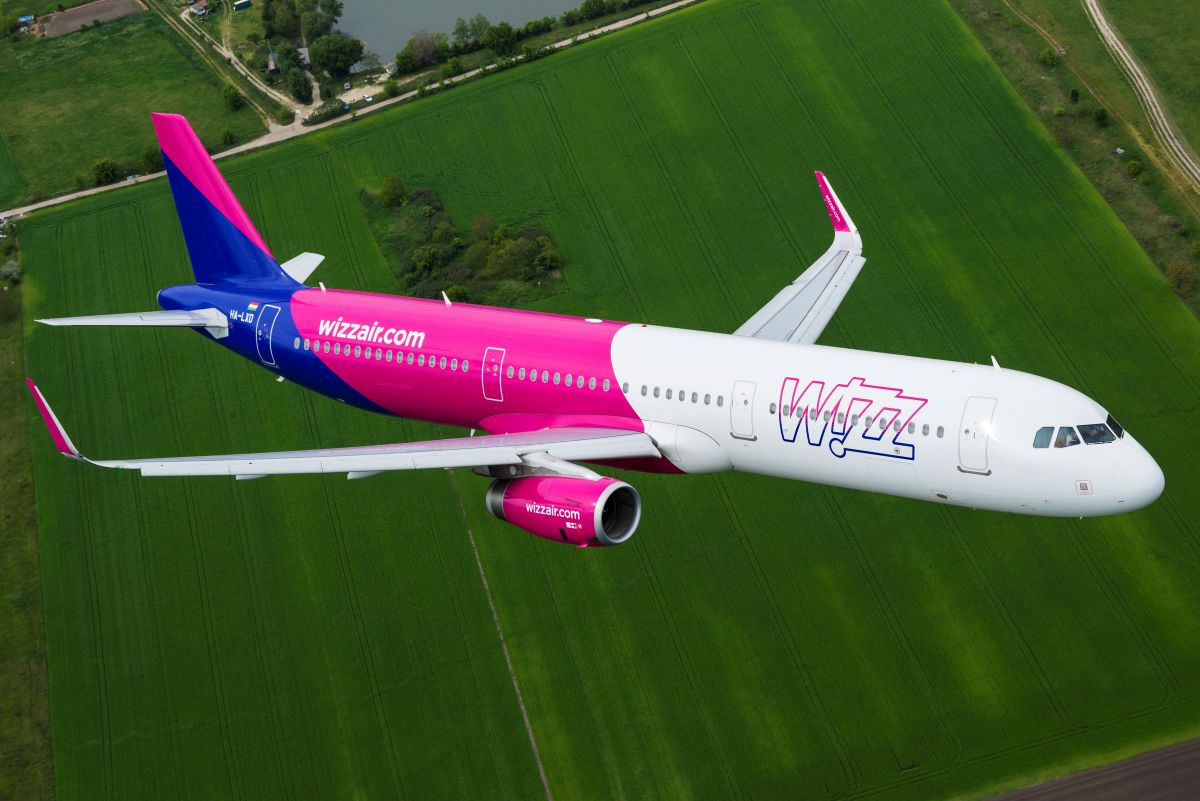
Wizz Air is testing how far it can push “premium” without touching the cost or complexity of business class. If blocked seats and basic perks lift yields with little operational pain, this won’t stay a niche product for long.
Europe’s low-cost airline rivalries can resemble a soap opera, with familiar characters and recurring insults. But beneath the theatrics lies a very real battle for market dominance and relevance.
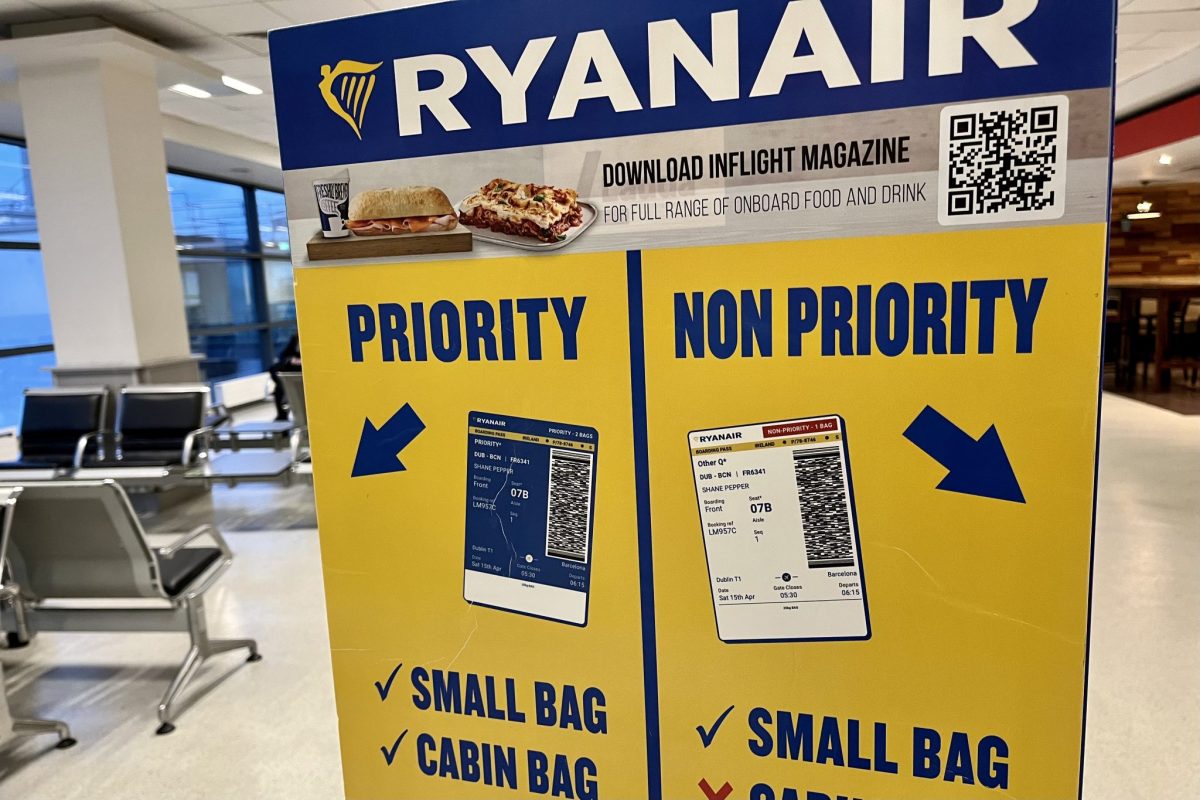
The integration charges are more than minor annoyances for smaller OTAs. And the cumbersome way the Ryanair pop-ups work, plus the lack of promotional fares, make the OTAs second-class flight sellers.
It's great to be an airline like Ryanair: Your market clout is so strong that OTAs are just glad to sell your flights without receiving any other compensation from the airline.
With green marketing collapsing and net-zero plans unravelling, the industry must finally face reality: Its current climate strategy won’t work. A fundamental rethink begins now.