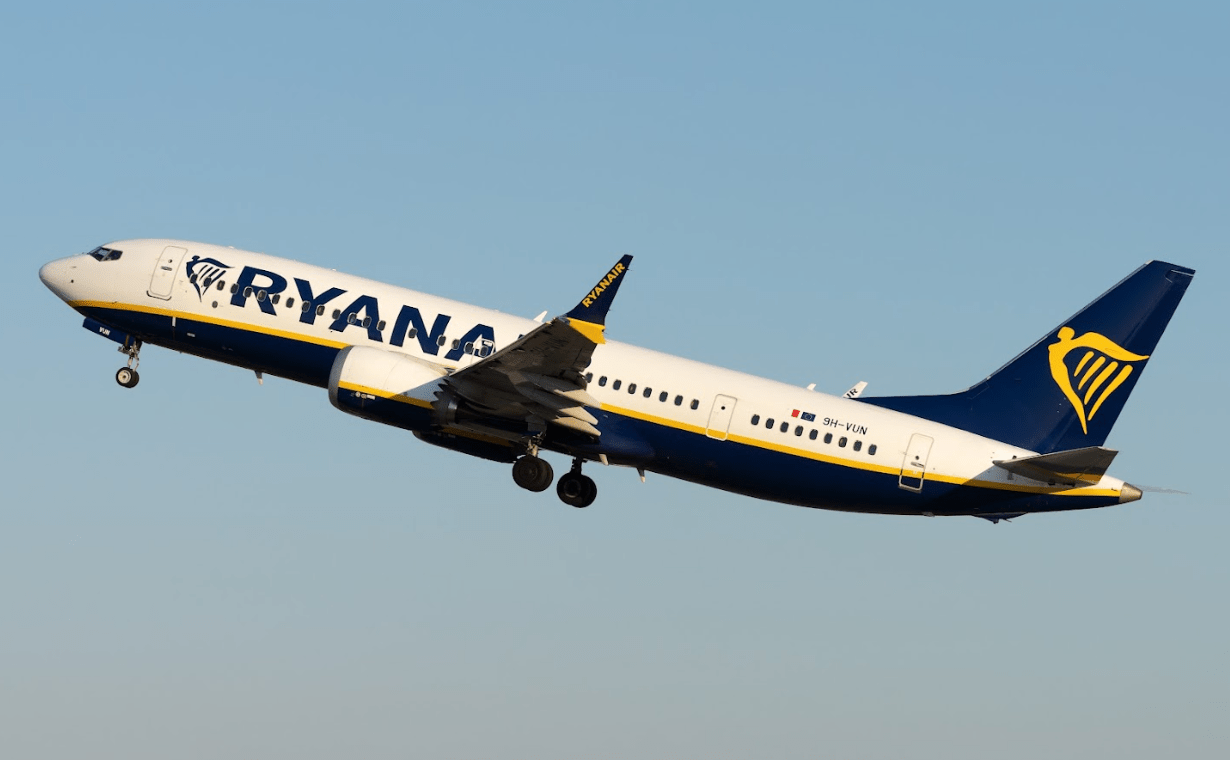
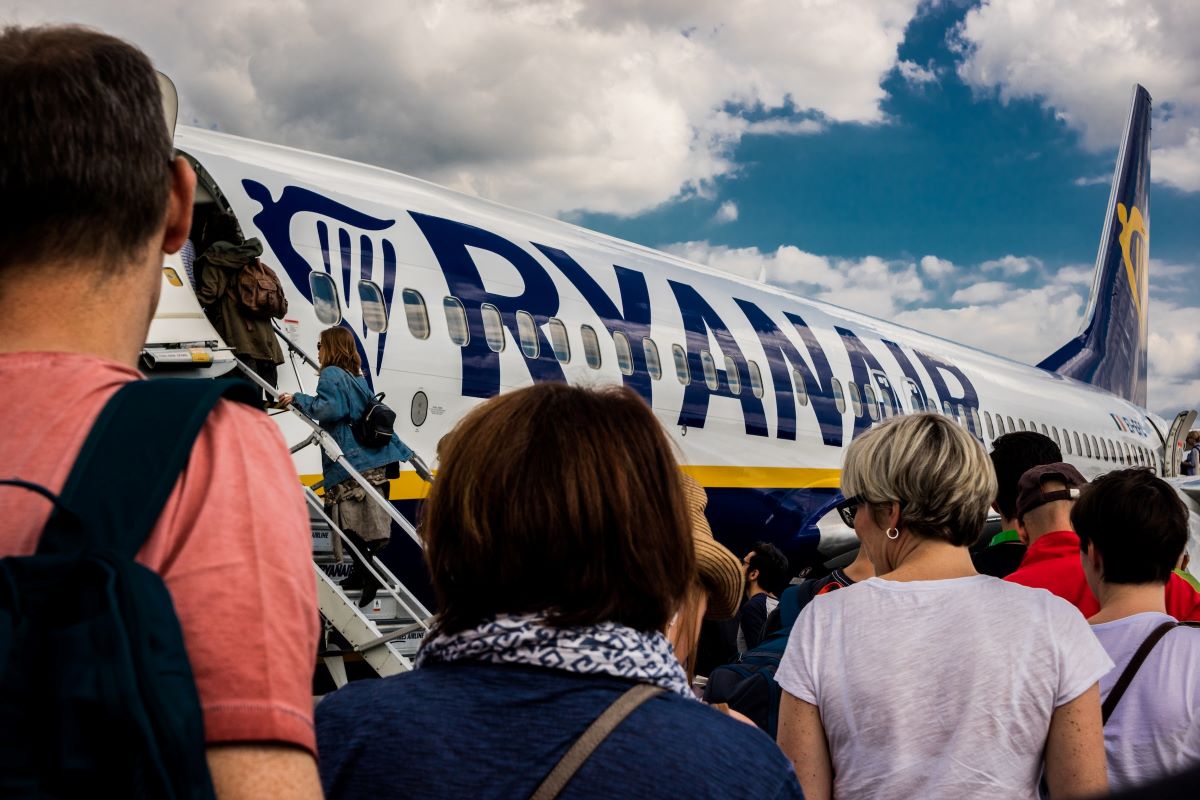
Ryanair’s low uptake for Prime underscores the limits of paid perks in a no-frills model, and shows that even the world’s most disciplined airlines can miscalculate demand.
By turning memes into core messaging and social snark into earned attention, Ryanair keeps its brand visible without heavy ad spend. Chief marketing officer Dara Brady talks strategy with Skift.
In Europe’s airline market, cost discipline beats scale — ultra-low-cost carriers lead on margins, while legacy giants rely on consolidation and strategy to stay competitive.
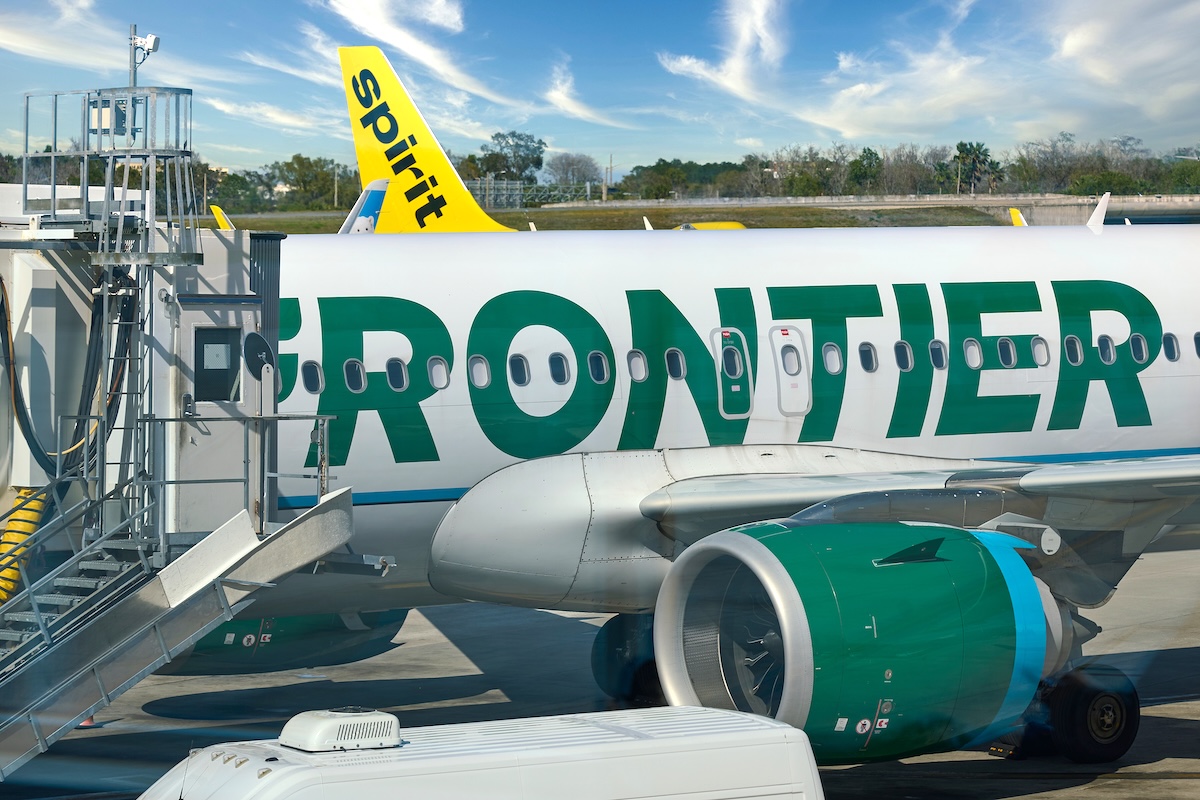
On today's pod we explain why Spirit is irked by Frontier, why Ryanair is friendly with Booking, and why flight attendants don't want to work for free.
Several major online travel agencies, such as Booking.com, for years didn't have access to flights from both Ryanair and Southwest. That era has come to a close.
War and peace dominate the headlines, but aviation executives will also be watching for clues about airspace access, lower costs, and long-term commercial opportunities.
Europe's skies are evolving with fewer short hops and more seats per flight. But huge questions remain over the industry's path to reduce its carbon impact.
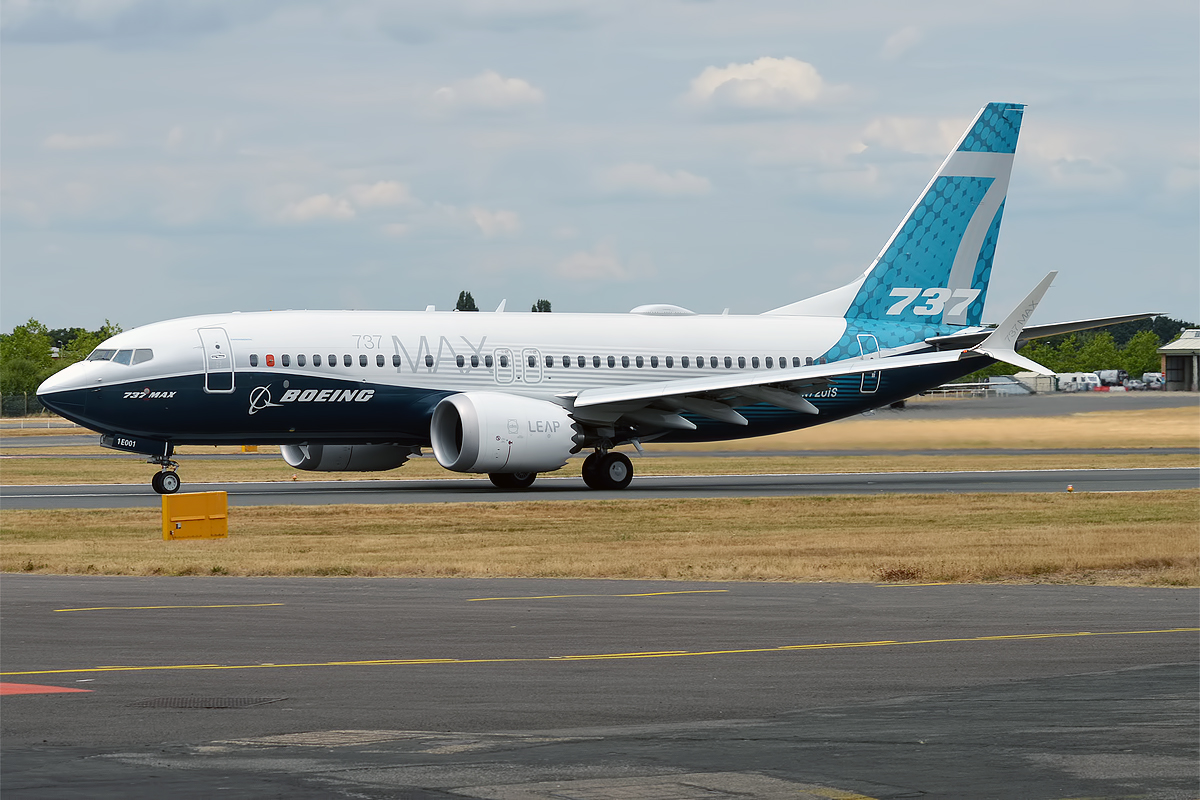
After the U.S. reached a new trade deal with the European Union, it looks like airlines and manufacturers will be able to avoid paying tariffs on aircraft orders and parts.