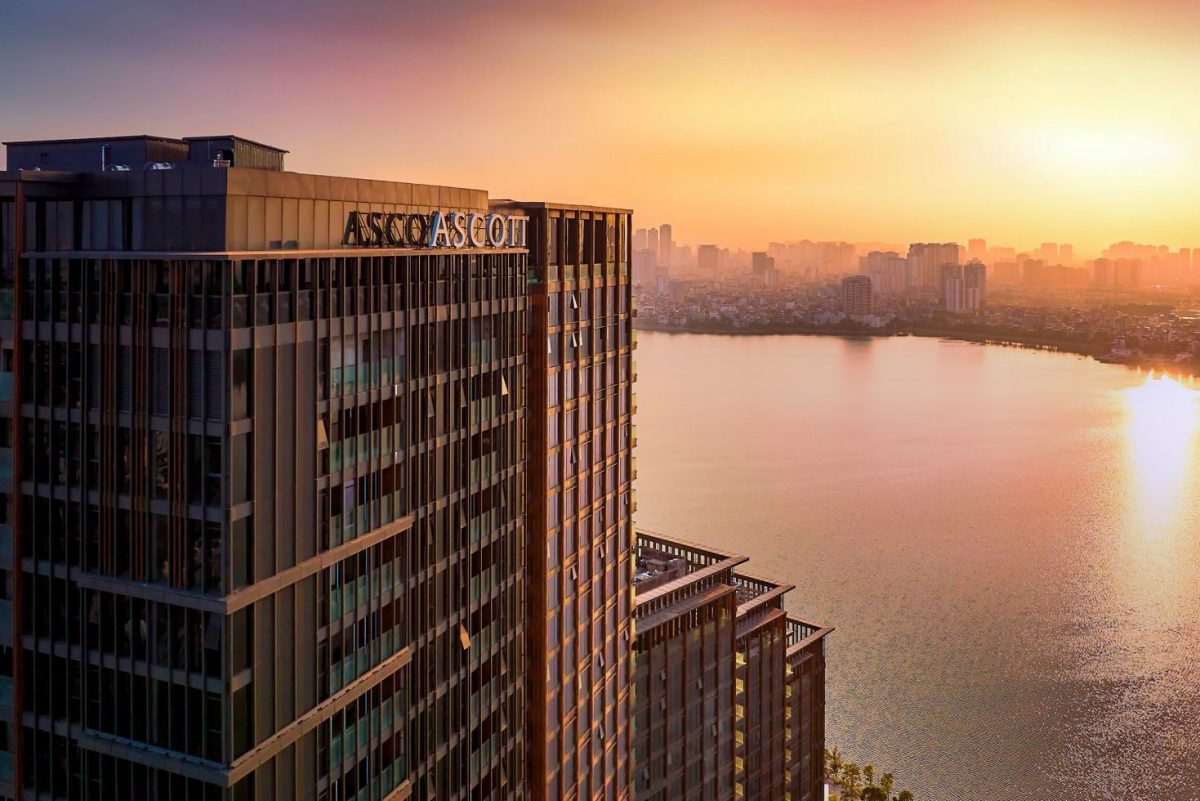
Ascott got its start providing extended stays for corporate travelers. But it hasn't opened enough properties in places where people dream of vacationing. So expect it to buy resorts.
Hospitality companies are adapting to the growing demands of Indian travelers, driven by rising disposable income and greater global exposure. Customizing products to meet these evolving preferences is crucial for survival in an increasingly competitive and discerning market.
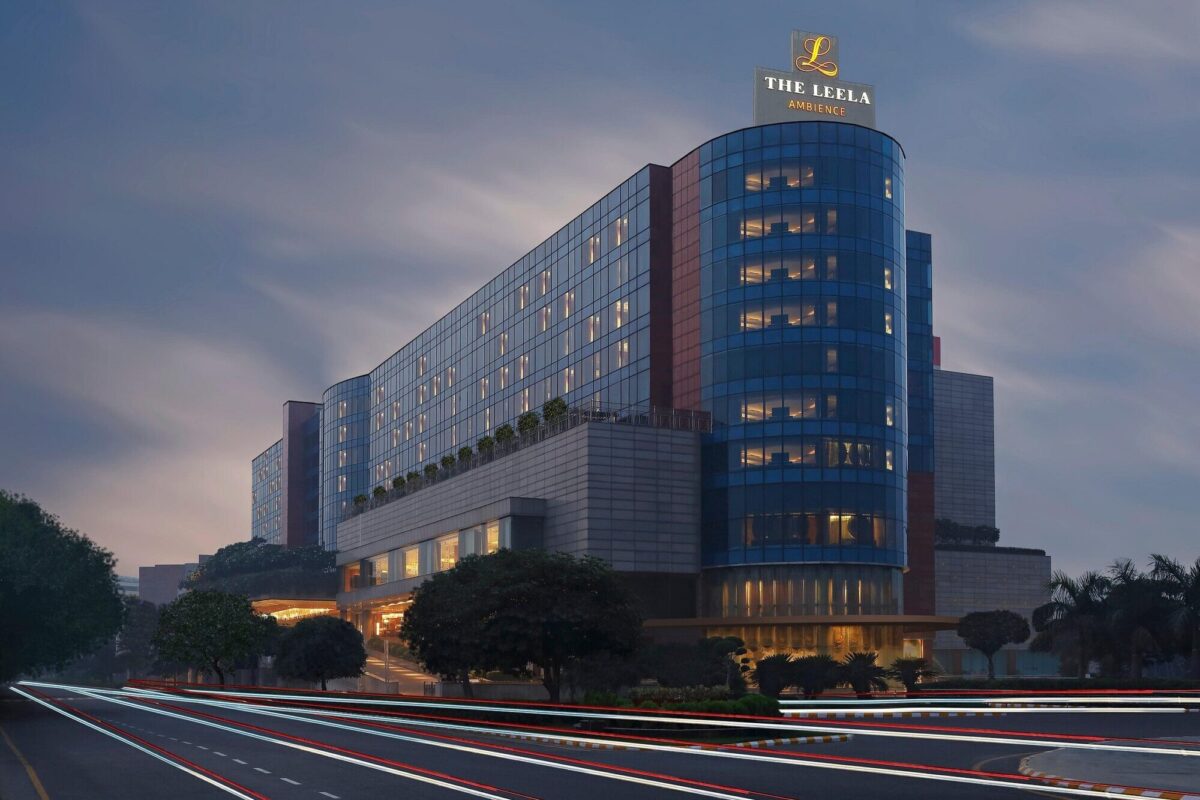
With India's travel and hospitality industry thriving, it's the perfect moment for Leela to go public. The buzz around IPOs is definitely heating up, and more companies are feeling confident to jump into the market and raise funds.
Marriott executives believe that the rise of mixed business and leisure trips poses challenges for tracking guest behavior. But the trend also creates opportunities to offer new products.
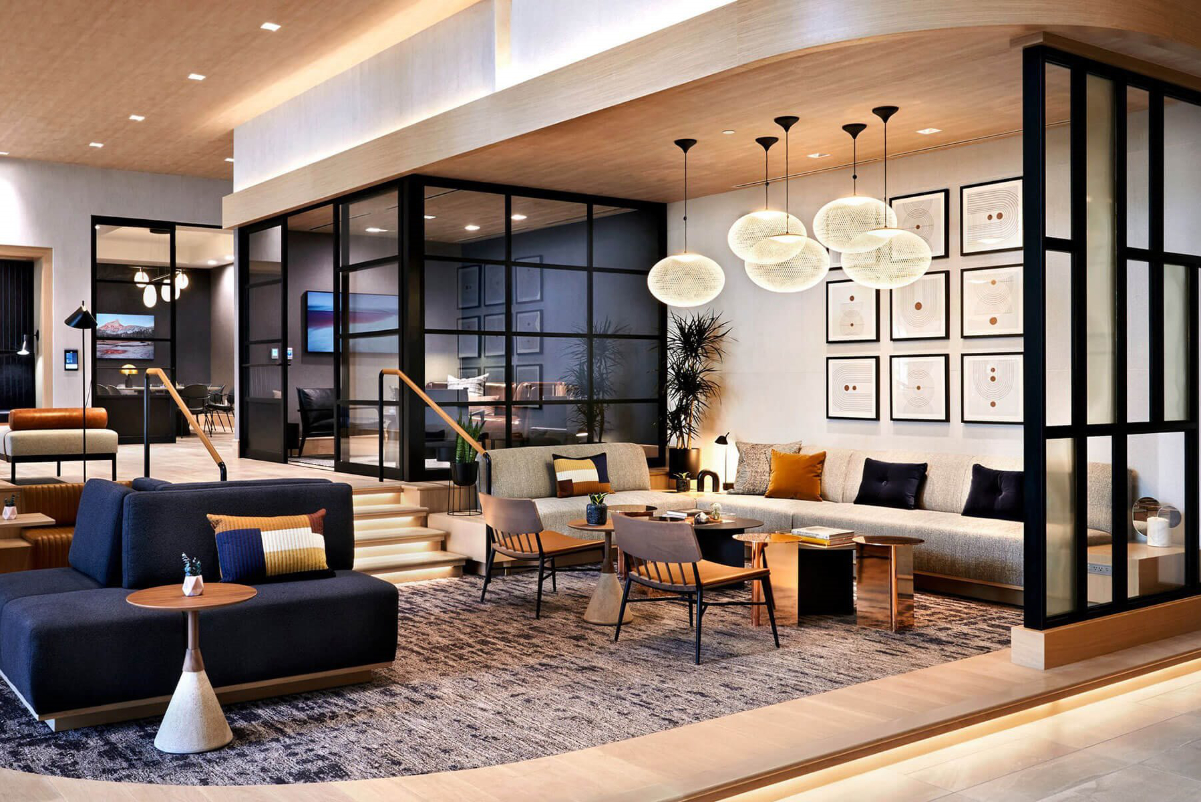
Marriott International is debuting an extended-stay brand in the U.S. and Canada. Why buy a startup like Placemakr or Limehome when you can build your own brand?
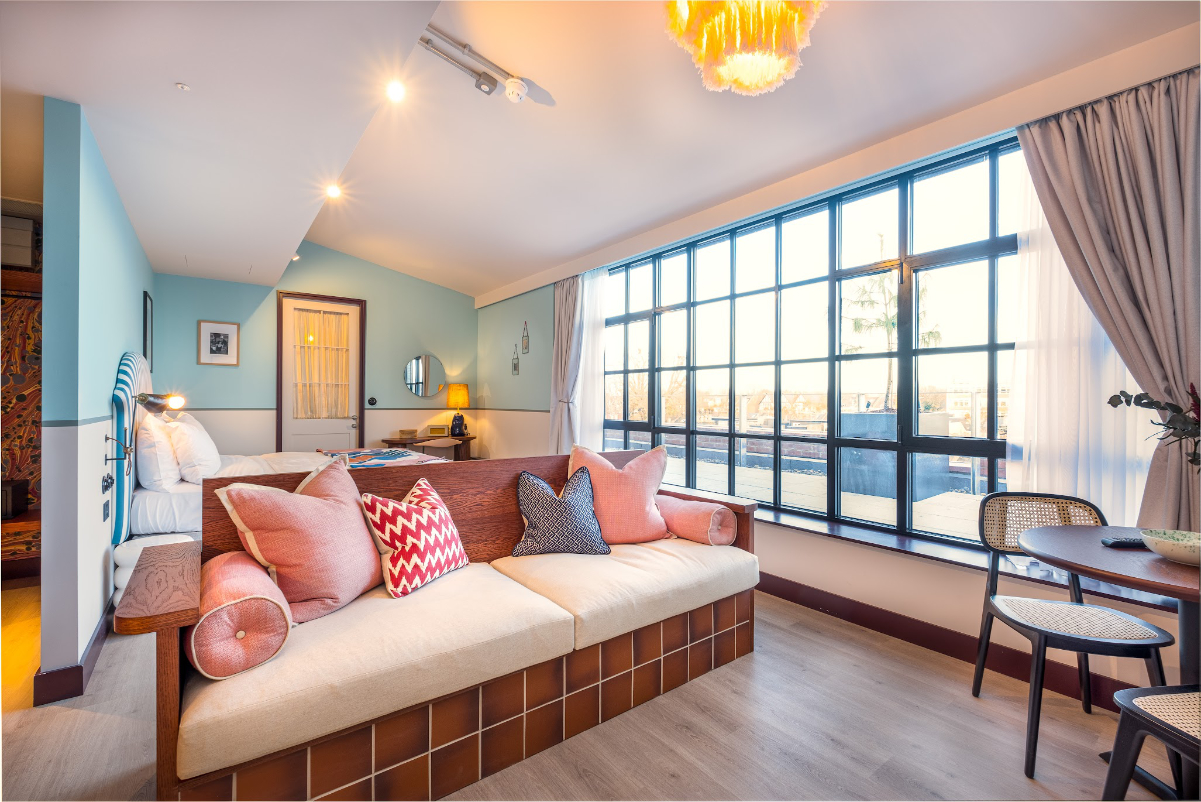
The rise of Airbnb has revealed consumer preferences to be more flexible than previously assumed. Independent hotel company Room2 is responding in the UK by innovating in brand standards. It has signed $110 million in new net-zero hotels.
So-called next-gen lodging platforms are doubling down on corporate needs, anything from remote work and relocations to extended projects, and even perks for personal use.
It’s a bold decision for a hotel brand to reposition itself when the world of work is on the cusp of change. If it's the wrong call, it loses sight of its core market and winning back once-loyal business travelers may take a while.