RedDoorz will be IPO-ing to go shopping. It's strategy is clear: Singapore now, Nasdaq eventually, and what looks like an acquisition spree in between.
Mews says AI can remove the handoffs that once slowed work and hurt margins. Now it has to prove a leaner structure can bring hotels closer, not leave them with less.
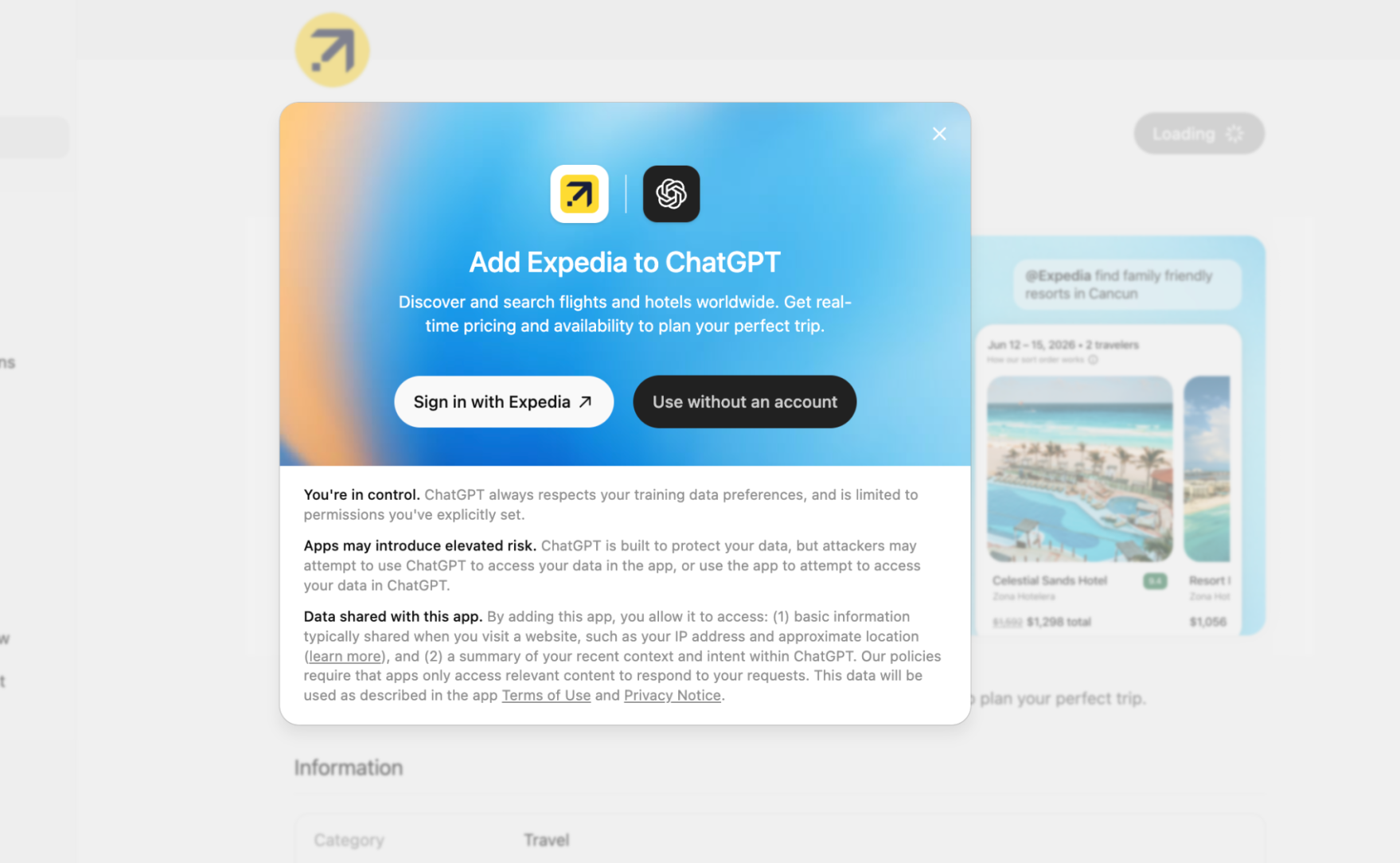
Travel apps inside AI chatbots are starting to look like real referral channels. The catch, Skift's testing found: A brand can be connected and still get skipped.
Adobe says AI referrals are sending travel sites more engaged visitors. But the next advantage may belong to brands whose pages are easiest for machines to read.
AI agents can already help travelers dream up trips. Booking them is harder. Travelport is betting that cleaner access to flights, hotels, and extras will keep travel sellers from looking elsewhere.
Connectivity has become a foundational layer of the travel experience. As the smartphone becomes the control point for travel, reliable connection is becoming less about convenience and more about trust.
If your AI investment is being justified internally as labor savings, this session argued you're underselling the revenue case and overselling what's possible.
Marriott is now in the third phase of its AI rollout, with conversational search the highest-profile launch coming this year. Its top data and AI exec says the harder work is rethinking the workflows underneath.
Most travel companies are still cataloguing AI use cases. Air Canada's chief digital officer argues that catalogue is what’s keeping their AI work narrow and shallow.