

Tripadvisor News
Tripadvisor is a travel website that provides reviews, ratings, recommendations, and bookings for various travel-related products and services, such as hotels, attractions, flights, and vacation rentals.
Tripadvisor offers a variety of services to travelers and businesses, such as:
Reviews and ratings: Tripadvisor allows users to share their opinions, experiences, and photos of various travel-related products and services, such as hotels, restaurants, attractions, etc. Users can also rate these products and services on a scale of 1 to 5.
Comparison and booking: Tripadvisor enables users to search for and compare prices, availability, and features of various travel-related products and services offered by third-party providers. Users can also book or reserve these products and services directly through Tripadvisor or its partners.
Trip planning: Tripadvisor helps users to plan their trips by providing recommendations, suggestions, guides, maps, forums, etc. Users can also create their own trip itineraries or browse through other users’ trips.
Tripadvisor brands include: Viator, Flipkey, Cruise Critic, Bókun, SeatGuru, and other smaller niche sites.

HomeAway Takes a Controlling Stake in its 21st Vacation Rental Company
HomeAway's history is rollups in the vacation rental space, from around the globe. It has this down.

6 Reasons Why Google Is Fine With its Irrelevant Flight Search
Unless Google is playing possum and lulling competitors into submission, prognostications about the potential impact of Google Flight Search could turn out to be one of the greatest miscalculations in online travel history.
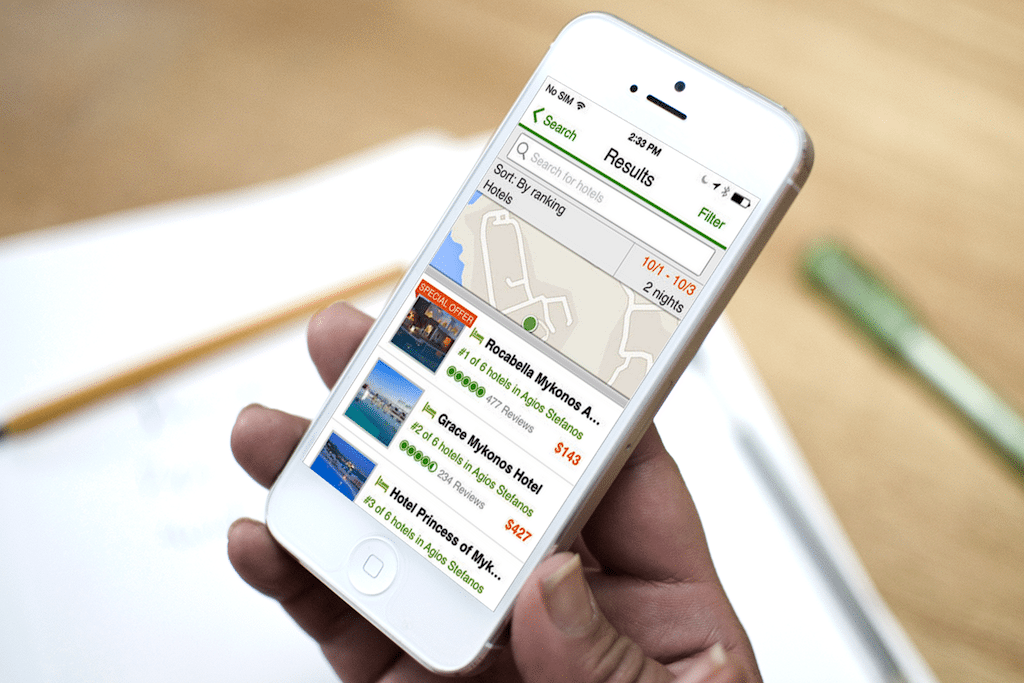
TripAdvisor To Take Direct Hotel Bookings on Mobile Apps In 2014
TripAdvisor is finding out that transitioning to hotel metasearch is very heavy lifting, and quite a gamble.

TripAdvisor Roadmap: How it Wants to Own the Travel Cycle
TripAdvisor isn't an online travel agency because it doesn't take flight or hotel bookings. But, given its desire to expand further into a solution for in-destination tours and activities, you can make the argument that it is a more well-rounded one-stop shop for travel than many of the travel booking sites.

Skift Q&A: TripAdvisor CEO on the Bright Future of User Reviews
Most of the traveler leads that TripAdvisor passes along to online travel agencies and hotels don't come from its hotel metasearch search results pages. They come from the property pages where travelers read reviews and gawk at the photos. This is a huge differentiator from the competition and will afford TripAdvisor a big advantage in the long term.
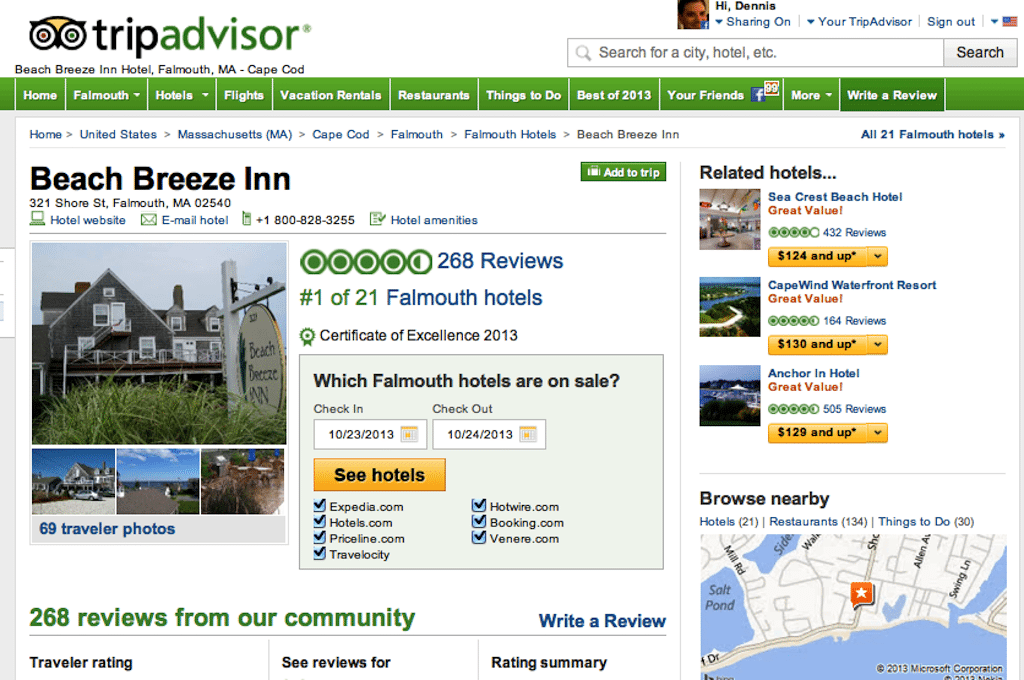
TripAdvisor’s New Program Launch Will Bring In Small Hotels Like Never Before
The launch of TripConnect is a really big deal. In much the same way that Booking.com led the way in bringing on board apartment hotels, condos and villas, TripAdvisor will now enable that vast long-tail of smaller properties to participate and vie for direct bookings.
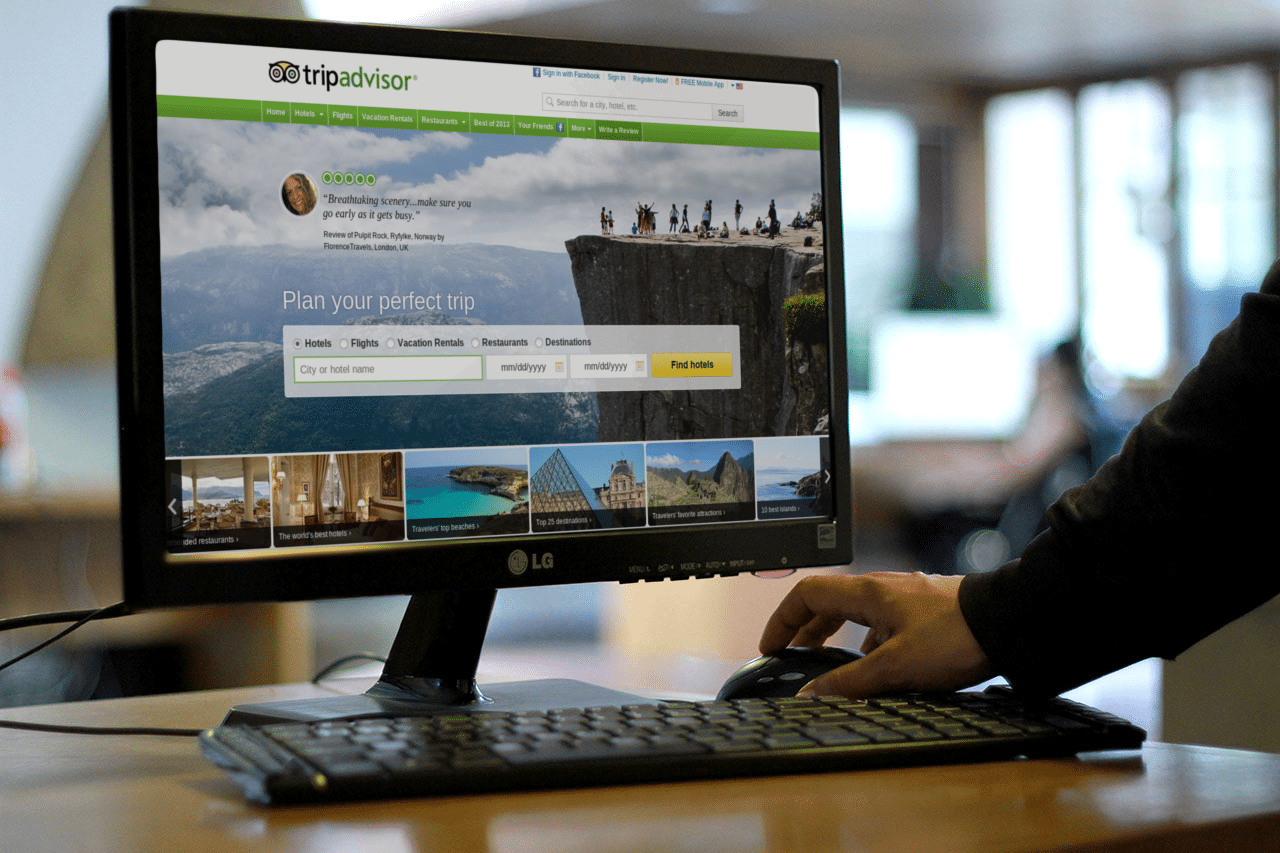
TripAdvisor Launches a Redesign of the World’s Most Popular Travel Review Site
A redesign has to be more than pretty pictures, and TripAdvisor's facelift is geared to emphasize its no-apologies approach to user-generated content.

TripAdvisor CEO: Oyster Acquisition Is Mostly About the Photos
Given the expense of dispatching staff to each hotel to write reviews and take photos, Oyster never had a clear business model. But it is clear that TripAdvisor values Oyster's photos as a way to bridge the gap between hotel-supplied photos and very amateur guest photos.
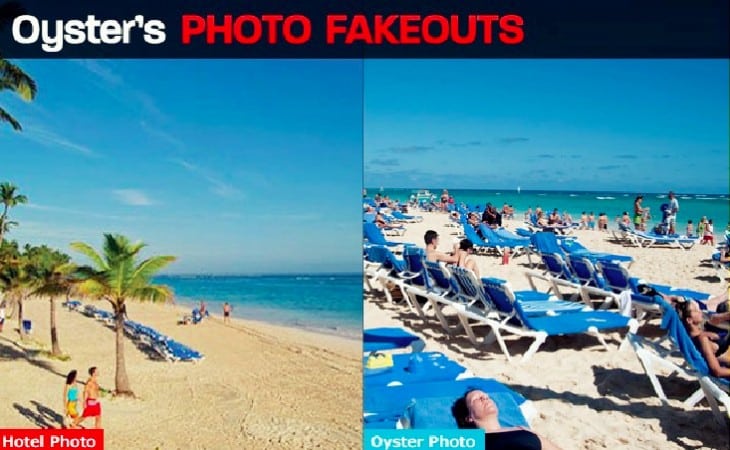
Tripadvisor Acquires Another Dying Travel Startup: Oyster.com
Oyster began with grand ambitions and little understanding of how to create content without spending lots and lots of money. That content will now find a home at a brand that understands more sensible ways to do the same thing.