Global travel paused in February 2026, revealing how quickly momentum can unravel. As demand shifts to safer, closer destinations, the focus moves from growth to restoring trust.
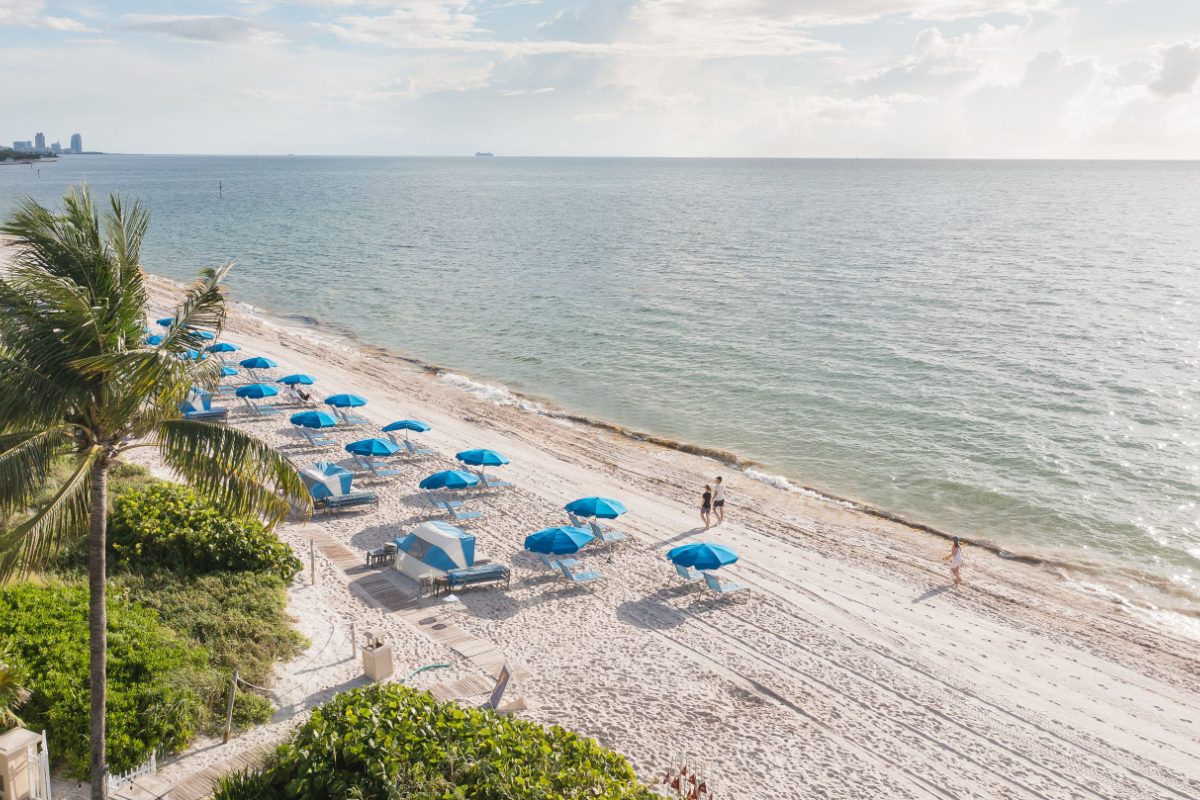
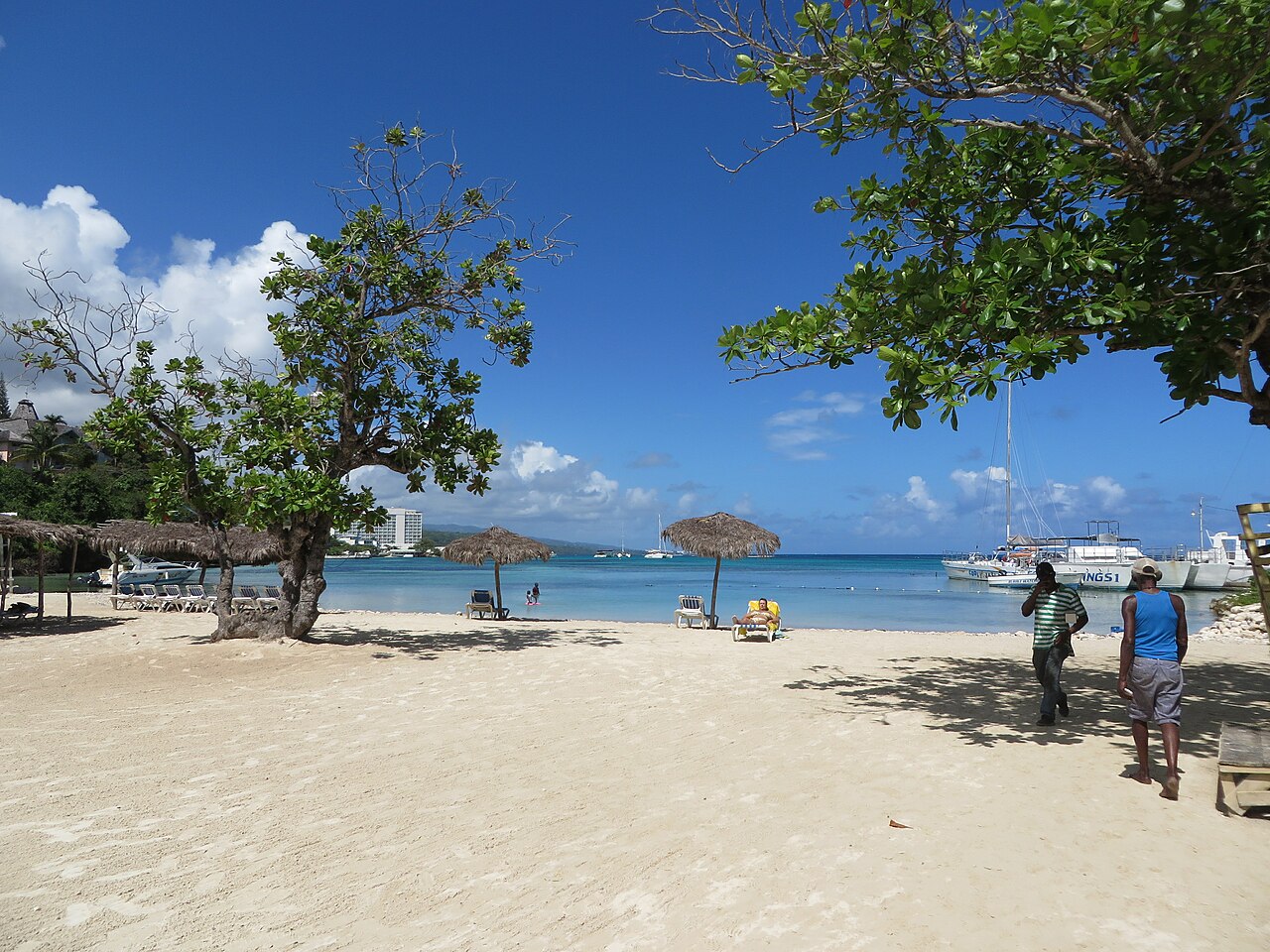
The Caribbean just proved it can tragically absorb a catastrophic storm and still break tourism records. The question is how many more hits can it take.
The Gulf MICE industry says demand is deferred, not lost. But no one will know if it's true until after the summer when the region asks delegates to meet in 104°F heat.
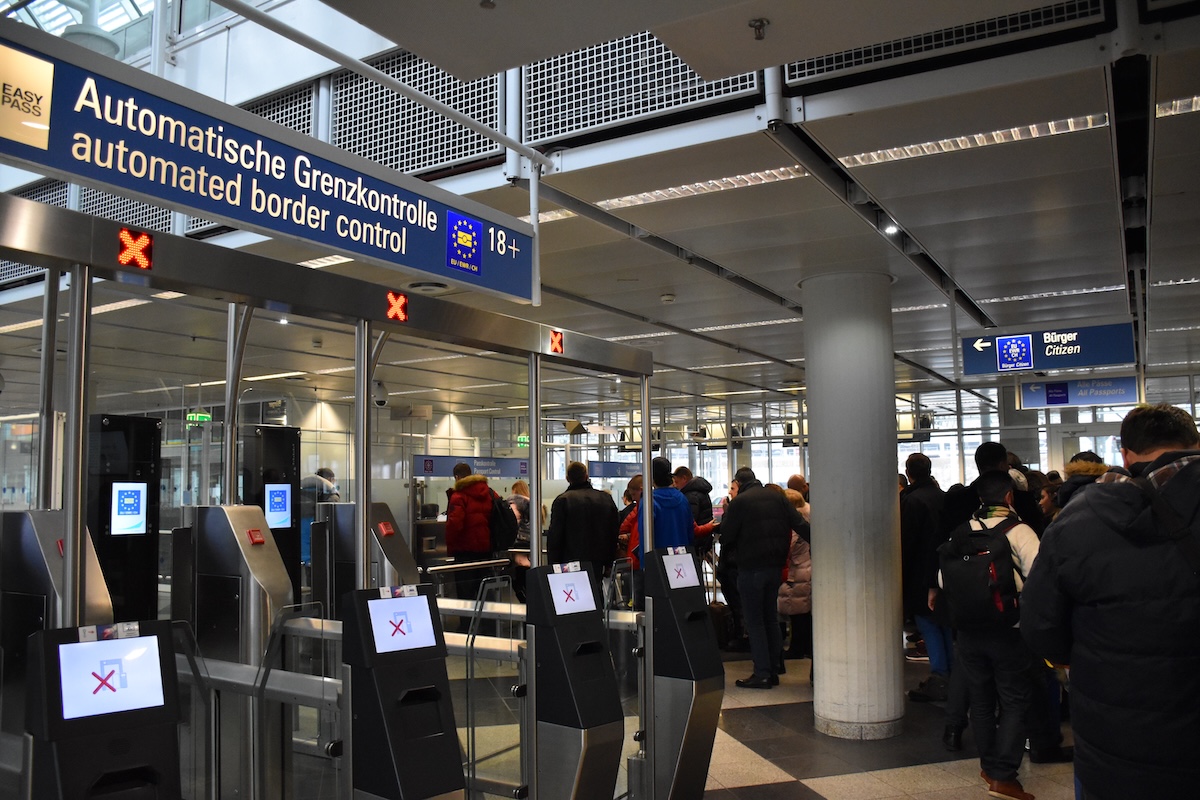
Plans to modernize European border crossings are off to a rocky start, but the EU appears largely committed to its April 10 deadline for a full implementation.
The UAE's rapid policy response — fee deferrals, a ministerial operations room, a broader support package in the works — signals that it is good at crisis management. But the real test is whether the tourism sector can hold on long enough for international confidence to return.
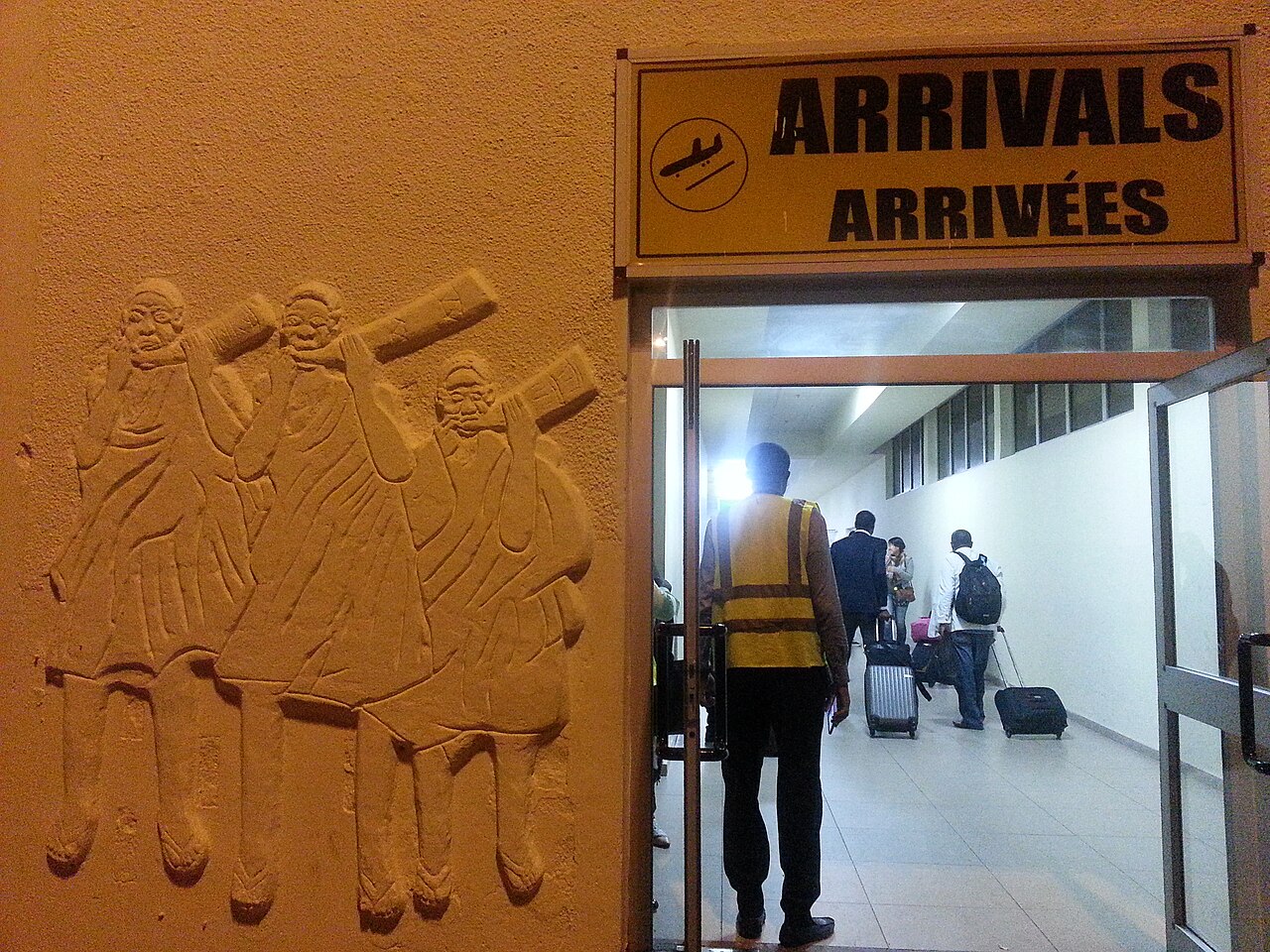
Africa is finally tearing down its visa walls — but until intra-African flights get cheaper and more frequent, open borders alone won't unlock the continent's tourism potential.
ICE’s presence in Minnesota took a toll on its tourism industry. Now, the question is whether the state can use its time in the spotlight to attract visitors.