Public transportation is becoming more popular countrywide as a new generation of millennials moves away from personal vehicles in favor of more affordable bikes, buses, and monthly subway passes.
The parks are smart for aligning their marketing with the health-minded resolutions of Americans, although the long-term effectiveness of the messaging is unknown.
Pinterest's list of travel destinations represents where travelers wish to go while lists of check-ins and photos from other social networks show where they've gone. The difference in the types of places on each lists highlights the differences in travelers' fantasies and realities.
The rules being discussed would apply to Europeans booking rooms in the UK, and the framework would be fairly narrow in scope. They do not address broader rate parity issues, but would indeed provide for more competition and would be good for limited numbers of travelers.
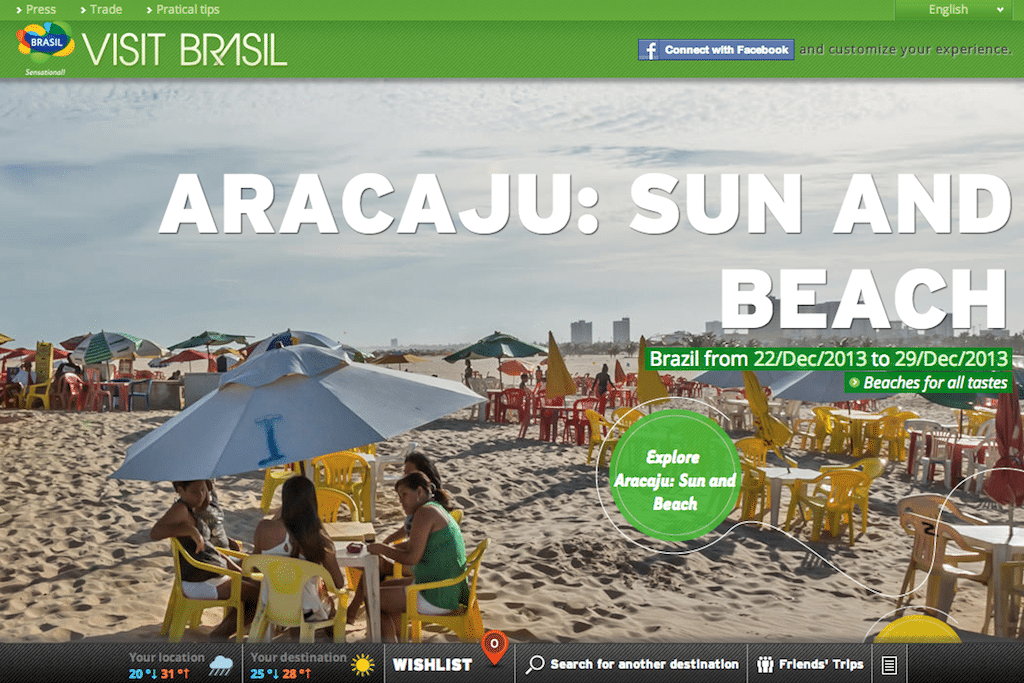
These tourism websites still have improvement to make in terms of featuring real-time social activity and reaching visitors on mobile. But their design sense is right on and should be an example to destinations still stuck in the era of online brochures.
These cheap fares are undoubtedly introductory ones, and heading to Bergen, Norway, however beautiful, isn't the most convenient for leisure travelers intent on making their way through Europe. Still, this is a bargain and could be disruptive if Norwegian can make some money on the route in a sustainable way. That, of course, is an open question.
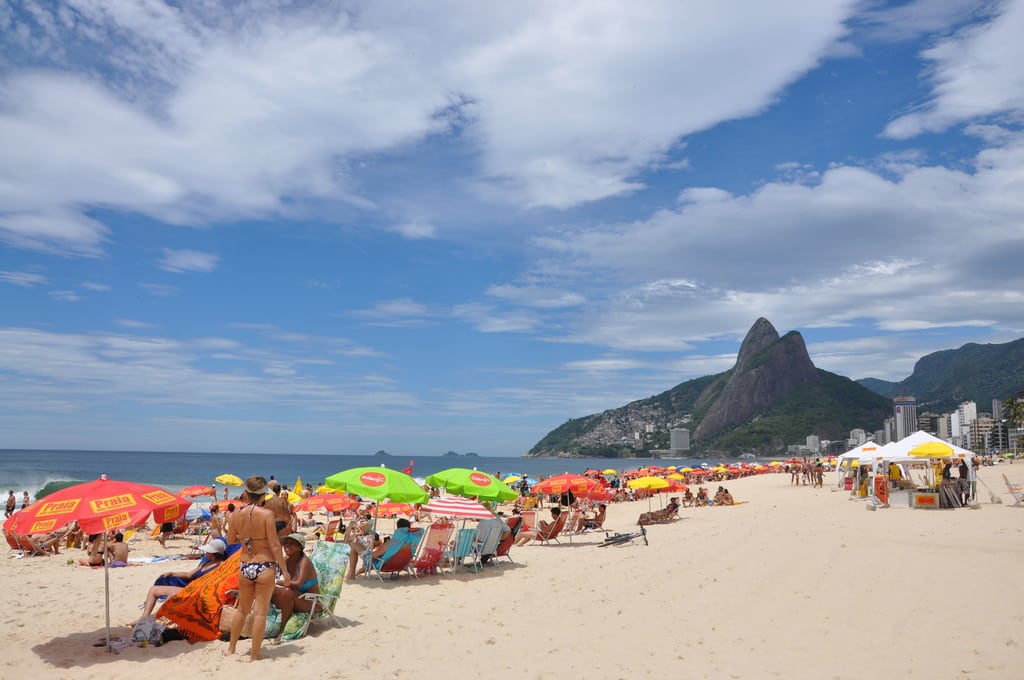
Are anniversaries and events over-stressed on these lists? It’s refreshing not to see Brazil, in its World Cup, an automatic inclusion of all lists – even if it’s an understandable entry. But would anyone plan a trip to Cape Town just because it’s the World Design Capital?