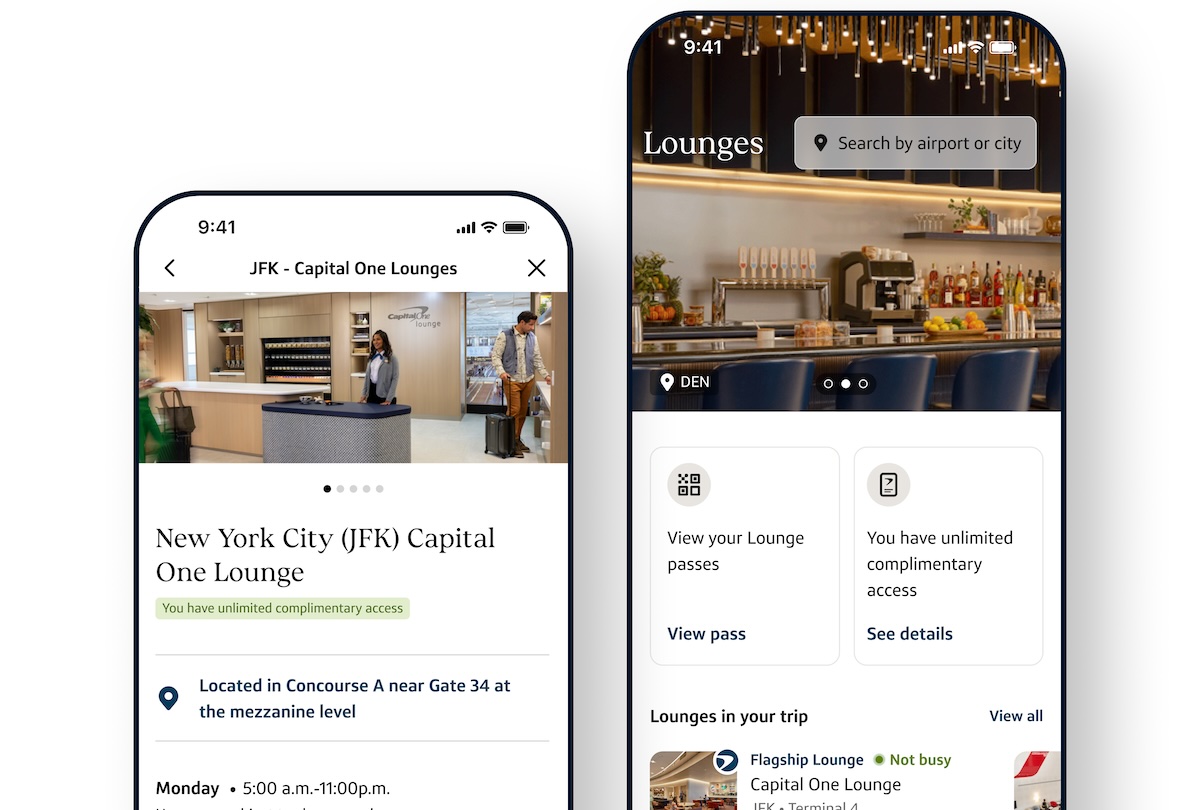
The Hopper tech acquisition, along with that of Discover and Brex, position Capital One Travel to get much more competitive with American Express and Chase Travel in going after luxury and business travelers.
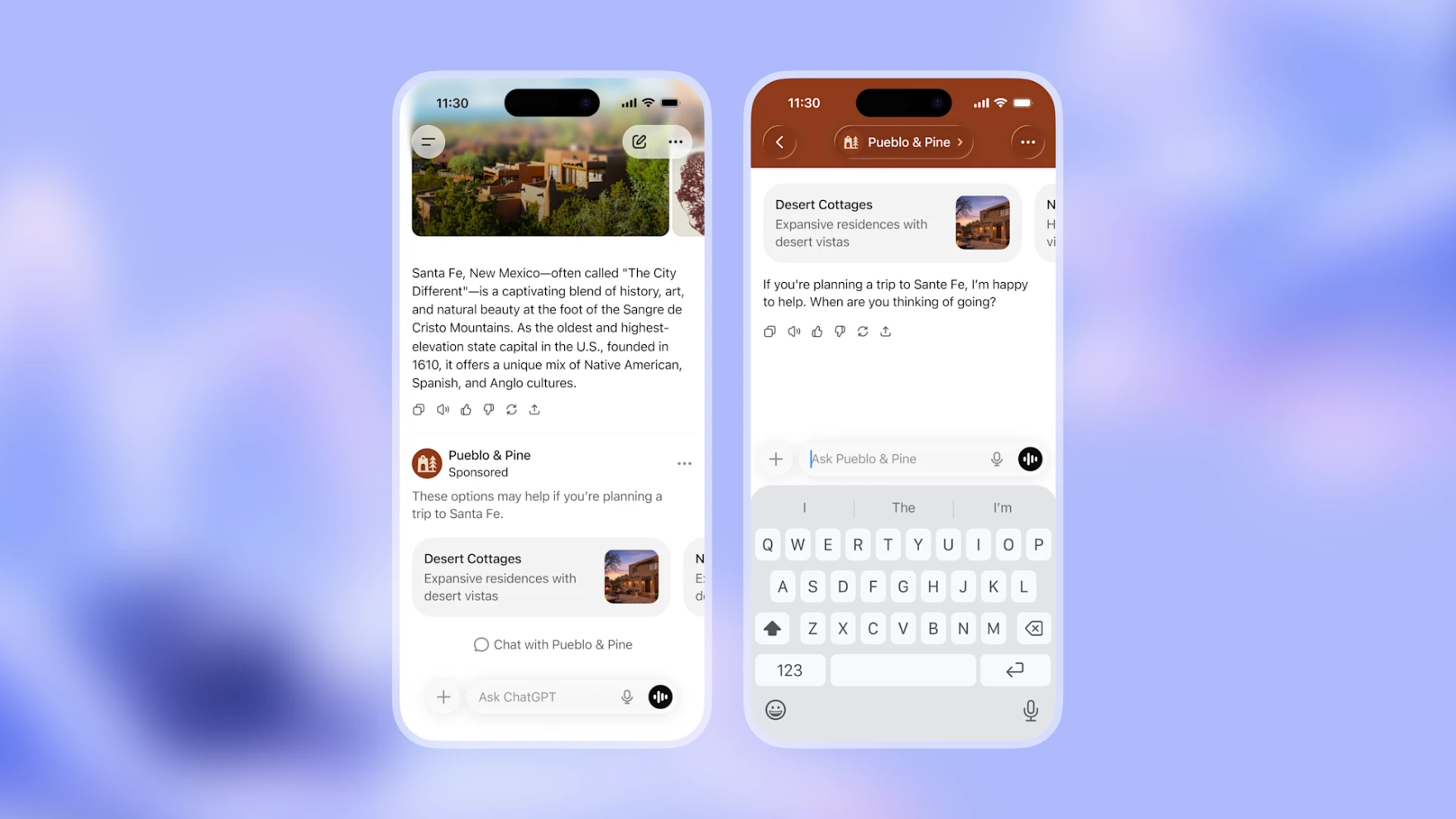
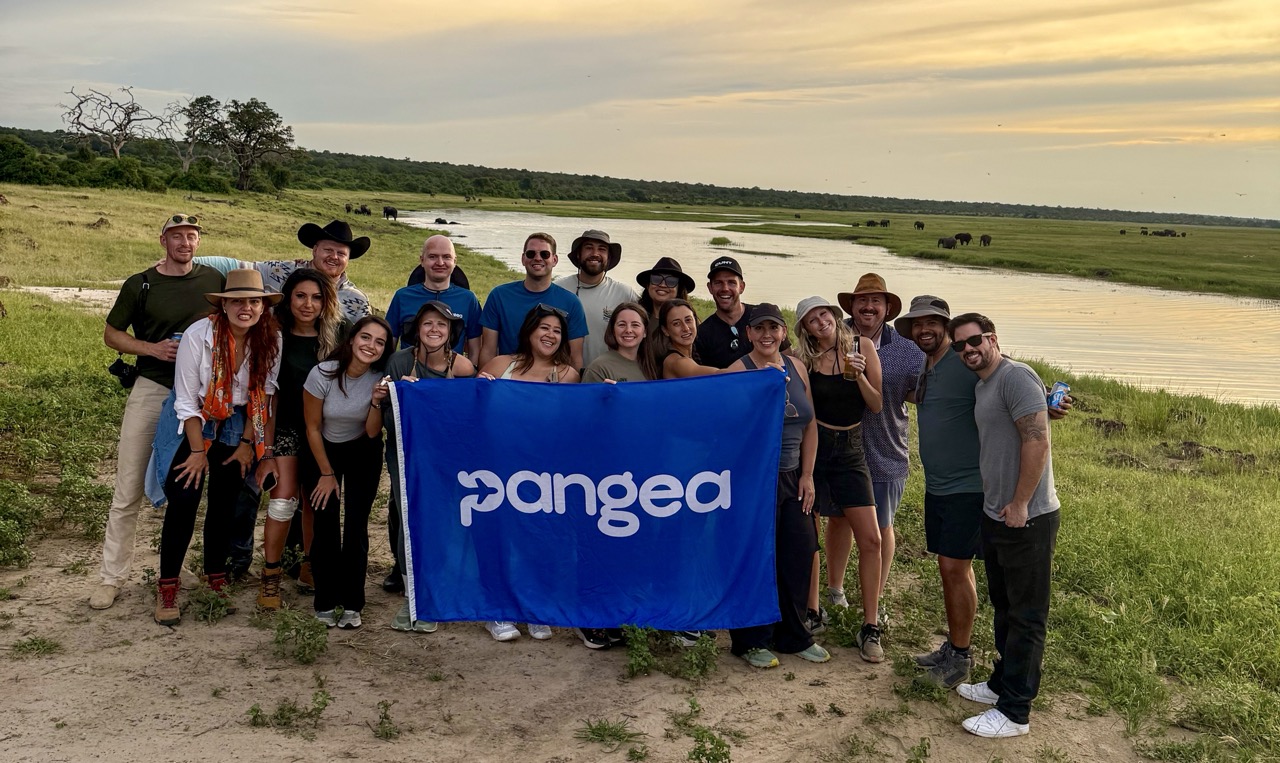
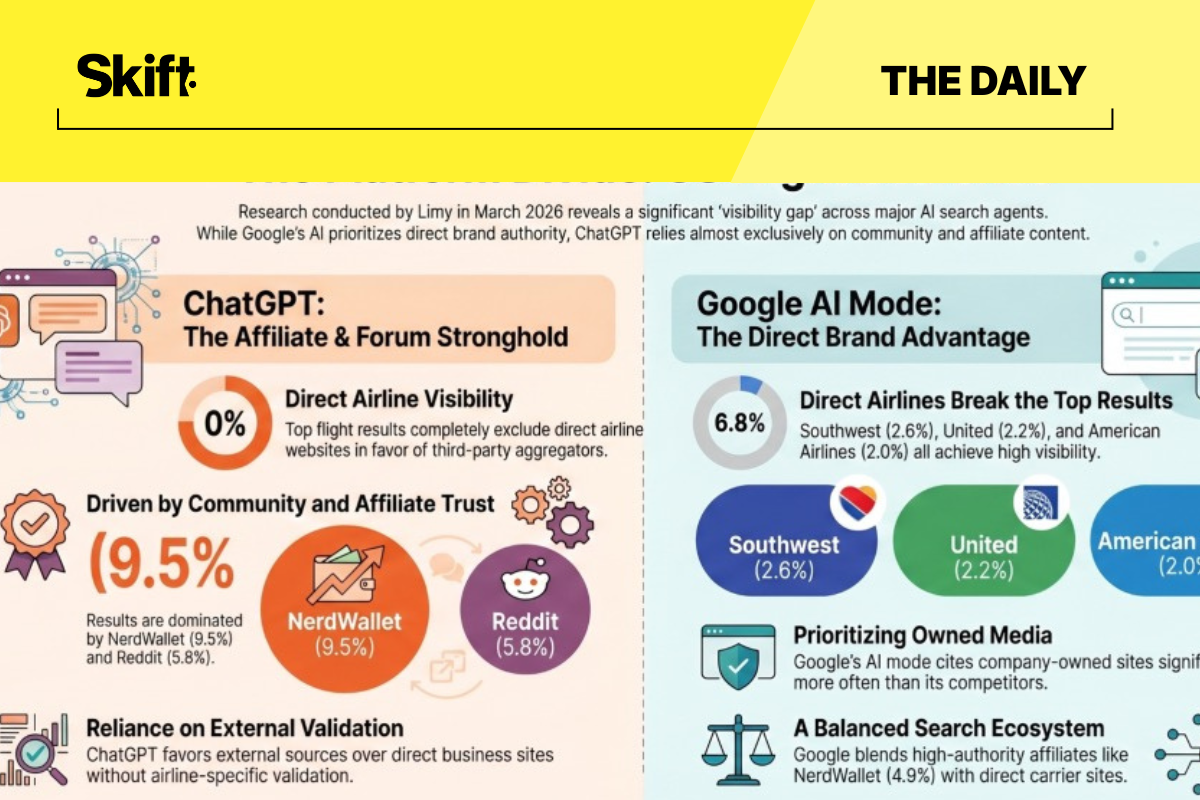
If chatbots use the same content to recommend the same places to everyone, travel is heading toward a homogenization problem, reckons Pangea. Its hedge: buying a ‘Spotify’ for trip itineraries.
Despite significant investment in marketing technology, most travel brands still cannot identify the majority of their audience. A new guide from Wunderkind argues that identity resolution is central to performance, helping brands drive more direct bookings and get more from existing channels.
A company-wide AI rollout is rare in hospitality because hotel data is fragmented. Hyatt spent two years fixing that. Now comes the harder part: proving it works.
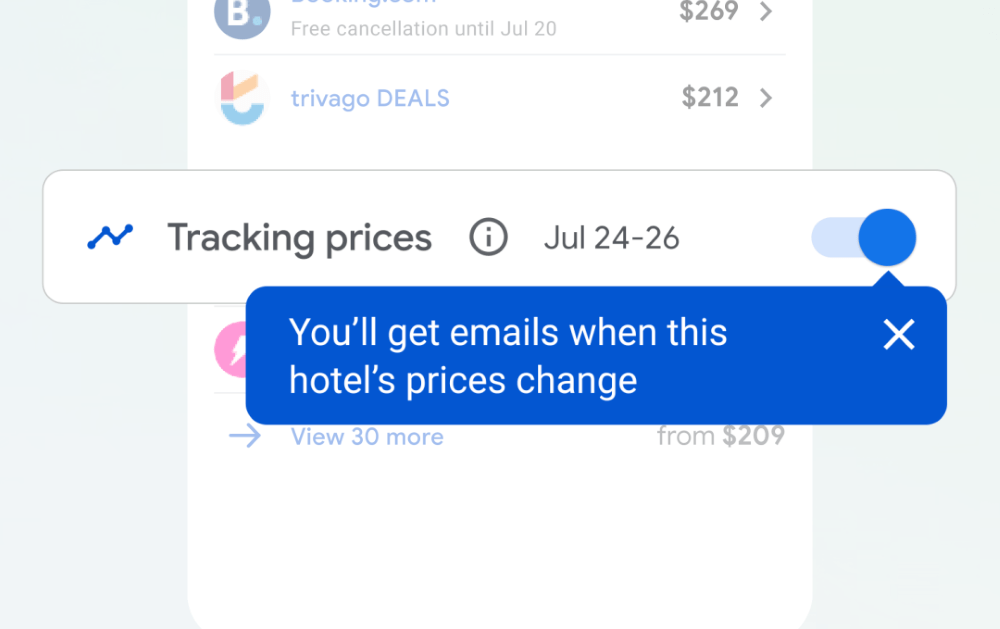
New emailed price-drop alerts for hotels give travelers another reason to circle back to Google, creating another moment Google sits between the traveler and the booking.