Focus, such as Booking.com's sole attention to lodging, has frequently been a winner in online travel. Booking Now's focus on last-minute bookings, instead of trying to be all things to all people in a multipurpose app, may produce substantial gains.
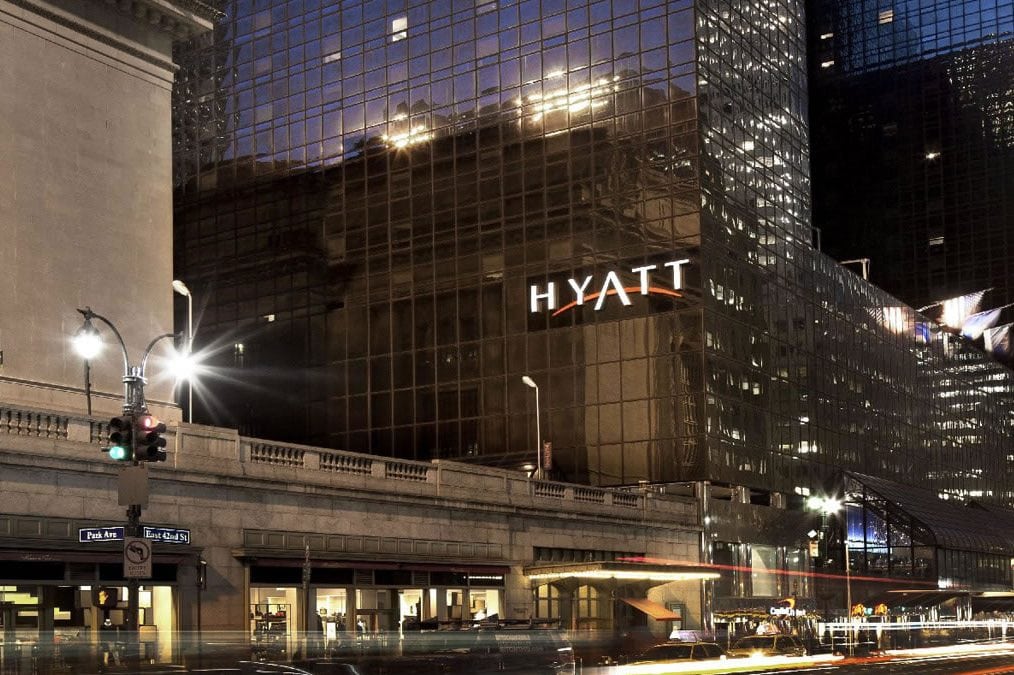
Marriott's customers resoundingly told the chain not to mess with their personal Wi-Fi devices and Marriott had little choice but to concede this battle. Other chains will likely feel the heat, as well. Still the war isn't over and the FCC will ultimately have much to say about where all of this is headed.
This has huge potential to impact how we travel, and since the language barrier is a worry for many travelers it would be great to see Google partner with destinations to help soothe those qualms.
Gogo wants its Wi-Fi users to believe the notion that it is primarily monitoring customers' Internet usage to block improper video streaming to safeguard bandwidth and the browsing experience for everyone on the plane. Passengers who are aware of the controversy will have to decide if they trust Big Brother up in the air.
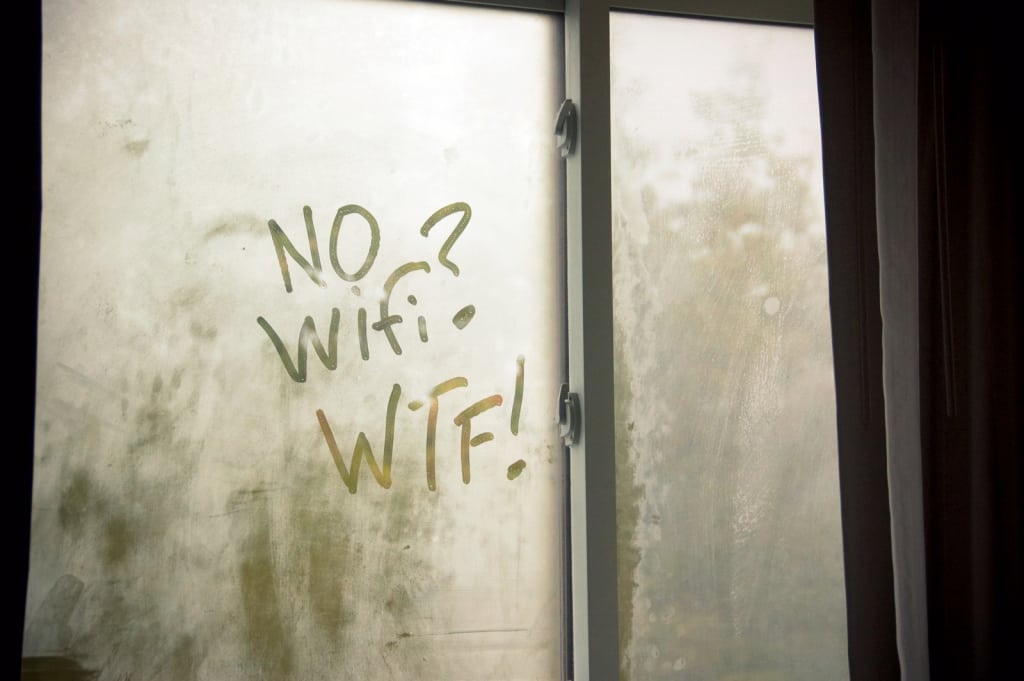
Fair or not, the modern traveler judges hotels by their Wi-Fi forwardness. The American hotel industry has everything to lose and nothing to win in this fight, even if it wins a ruling by FCC.
Marriott is claiming that its plans are misunderstood and that it merely seeks permission from the FCC to jam others' Wi-Fi in its conference rooms only. But travelers are telling the FCC that they don't want to be reliant on hotel Wi-Fi in conference rooms and other areas of the hotel.
Google and Microsoft are teaming up against Marriott, Hilton and the rest of the hotel industry over travelers' rights to independent Wi-Fi access when they stay at or visit a hotel.
Hotels that align themselves with free Wi-Fi will quickly be recognized by business travelers, making the cost worth the marketing value for most business brands.