Whether or not you agree with Marsh's take on some established tenets of the hospitality business, his progressive, disruptive viewpoints are worth more than just a look.
Like many successful companies, Hostelworld resolves to win by maintaining its focus on what it does best: Selling hostels. Its big challenge is to generate more awareness about the modern and socially oriented hostel while larger players like Airbnb and Booking.com suck the air out of Google.
Modern consumers will naturally move towards the ideas that best fit with the way they travel now. Hospitality brands that can keep up will reap rewards.
There’s more opportunity than ever in the fast-growing vacation rental business, but staying competitive now takes much more than providing a great property — owners and managers must continually upgrade everything from their technology to their guest experience.
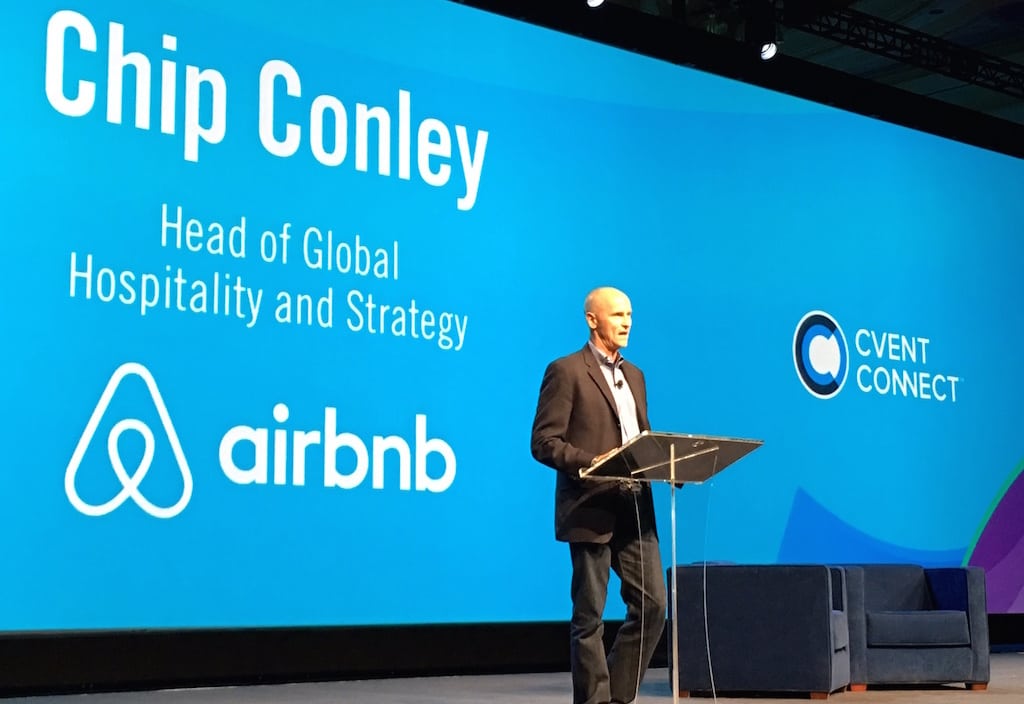
Airbnb can't compete directly with hotels for meetings business in terms of product, but it will be able to grab market share in the future by offering a degree of personalization that hotels can't match.
It’s worth taking this report with a grain of salt considering who commissioned it, but regardless, it’s hard to deny that Airbnb is having some impact on pricing people out in some of New York City’s most desirable neighborhoods.
As power shifts toward distributors, property managers will need to embrace new technology tools to better leverage these channels while working to preserve direct bookings and repeat visits.
Many companies are realizing that they cannot ignore the habits of their business travelers, but approval of the sharing economy is far from universal.
Discrimination isn’t a problem limited to peer-to-peer platforms like Airbnb, and it’s not a problem with the sharing economy itself. It’s a problem that has to do with human behavior — how we interact with one another, whether online or in real life — and one that travel brands need to offer more than lip service to improve.