Lessons From Kashmir: When Violence Threatens a Fragile Tourism Economy
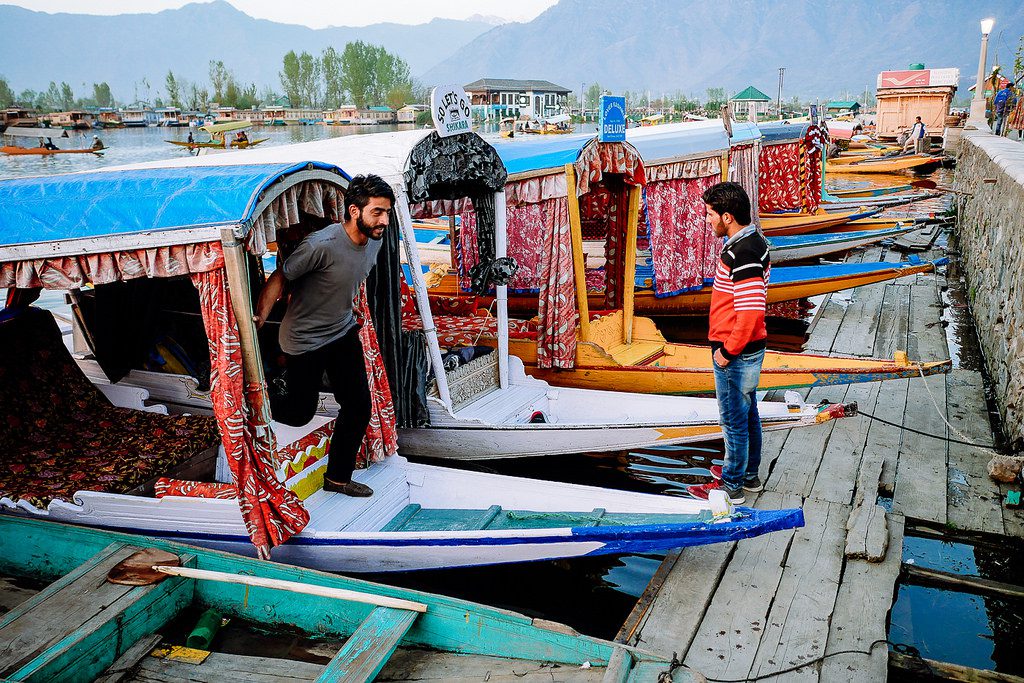
Photo Credit: Dal Lake in Srinagar is shown in this photo from April 2017. Violence between India and Pakistan raises new questions about tourism's role in conflict zones. Flickr / plynoi
Skift Take
Despite conflict and instability, tourism remains an important part of Kashmir's economy. But travelers should be cognizant of a lot more than safety if they choose to visit the region.
Last April, I was preparing for a reporting trip to Kashmir—my flights and houseboat on Srinagar’s Dal Lake were booked, and I was plotting out my itinerary. Then, a few days before I was scheduled to travel, violence erupted in the southern region of the state, plunging Srinagar into a bandh, or strike, and my plans into question. “You’ll be fine,” all my Kashmiri friends assured me. “These things happen, tourists are never affected.” In the end, I canceled my trip, more so because restrictions on mobility would affect my reporting, rather than concerns for my safety.
Such uncertainty is, unfortunately, far from uncommon in Kashmir. In 1989, violence erupted in the Kashmir Valley, emanating from Pakistan-sheltered militant groups, resulting in an increased militarization of the Kashmir Valley by Indian armed forces, and unrest has ebbed and flowed ever since. As 2018 went on to become the deadliest year in Kashmir over the past decade, I wondered often about the ethic