The Rise and Fall of Iceland’s Tourism Miracle
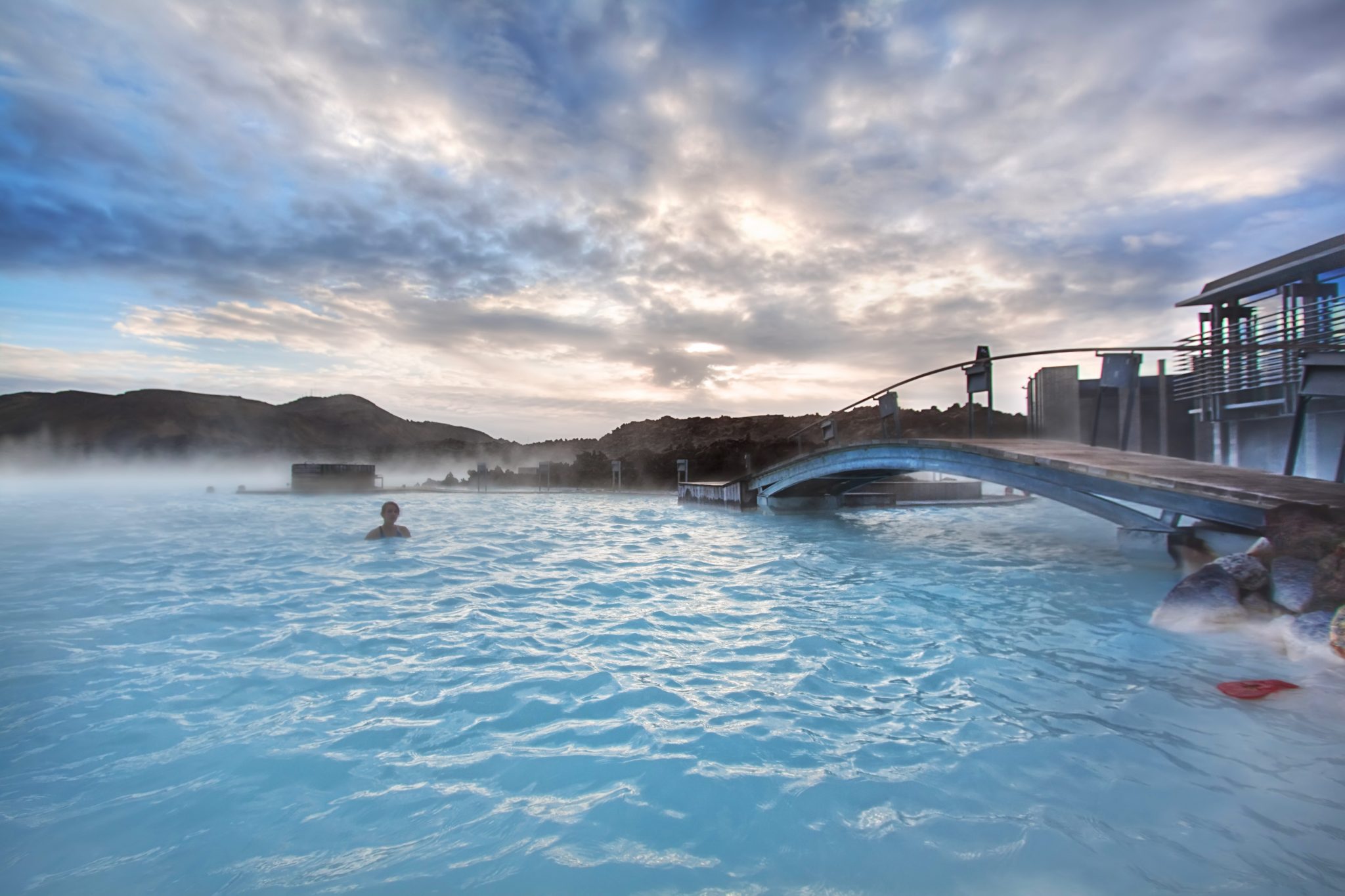
Photo Credit: The Blue Lagoon in Grindavik, Iceland. Flickr / Chris Ford
Skift Take
Life has changed for Icelanders as the country's tourism industry faces a slump. While many are looking at the change as an opportunity to reassess their business, the widespread decline of tourism across the country presents intractable problems.
Down in the icy tunnel, the glacier is sweating. A dozen tourists slip around in the dark, taking selfies and scooping water into bottles from slushy puddles whenever the guide stops walking. Water streams down in thick rivulets throughout, dousing everyone in frigid water.
At the Into the Glacier attraction in northern Iceland, the waves of rapacious tourists snapping up dirty water from a rapidly melting glacier is a stark reminder of the state of Iceland's tourism sector.
Iceland has been the poster child for the positive and negative effects of the overtourism phenomenon. Tourism growth helped the country recover after a brutal financial crisis and has empowered a new breed of entrepreneurs. Tourism revenue now accounts for 42 percent of Iceland's economy, an increase from around 27 percent in 2013, according to Statistics Iceland.
With tourism taking on increased importance, the country's fishing and manufacturing sectors have contracted over time. The change has made the