These Are the Barriers Preventing Business Travel Bubbles From Catching On
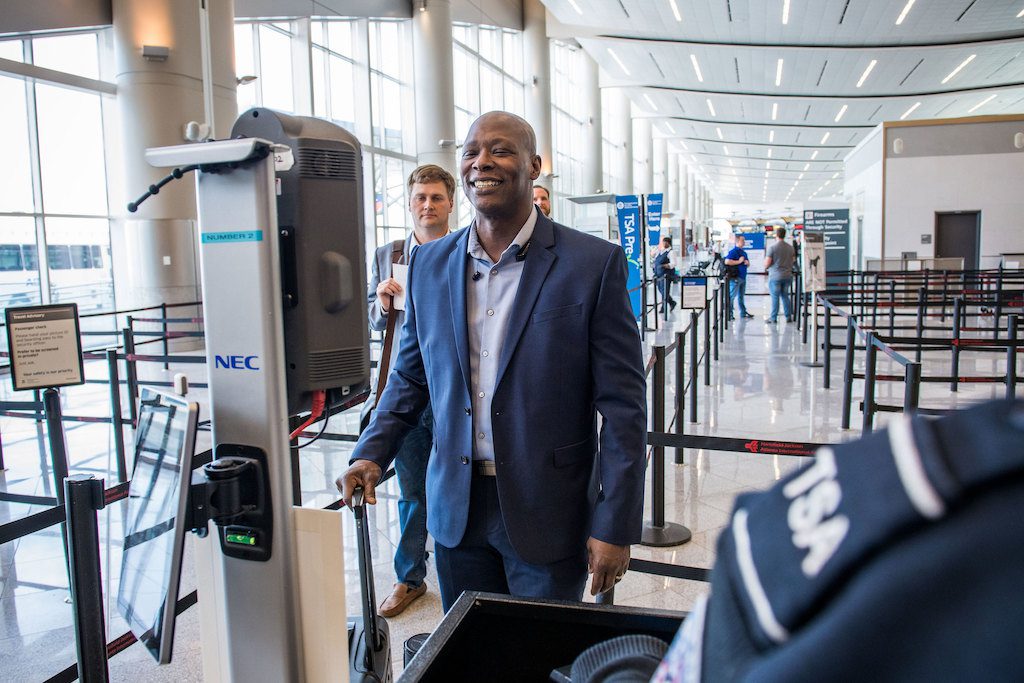
Photo Credit: Delta Air Lines' biometric scanning technology at Hartsfield-Jackson International Airport in Atlanta. Flickr / Delta News Hub
Skift Take
Singapore’s so-called fast lane arrangement with China offers a glimpse into how employees could soon be traveling, but this type of shortcut won't be easy to replicate across the rest of the world.
Many countries are forming so-called travel bubbles to kickstart their summer seasons. Formal agreements between governments, the bubbles allow tourists to bypass strict quarantine measures.
And now the private sector is looking to this model to restart corporate travel and, ultimately, help revive economies.
Singapore was one of the first countries to test this concept — admittedly spearheaded by its government — and on June 8 established a “fast lane” with six Chinese regions, including Shanghai, to fast-track business and essential travel.
However, while business travel bubbles make business sense, they come with caveats ranging from technological and legislative issues, to softer ones like levels of trust between countries.
How Do They Work?
Taking Singapore as an example, the business traveler will need to be sponsored by a company or government agency, which files an application on their behalf for a SafeTravel Pass, to be eligible for the fast lane.
The tra