
The Inside Story of How Alaska Airlines Went All-In on the Returning Boeing 737 Max
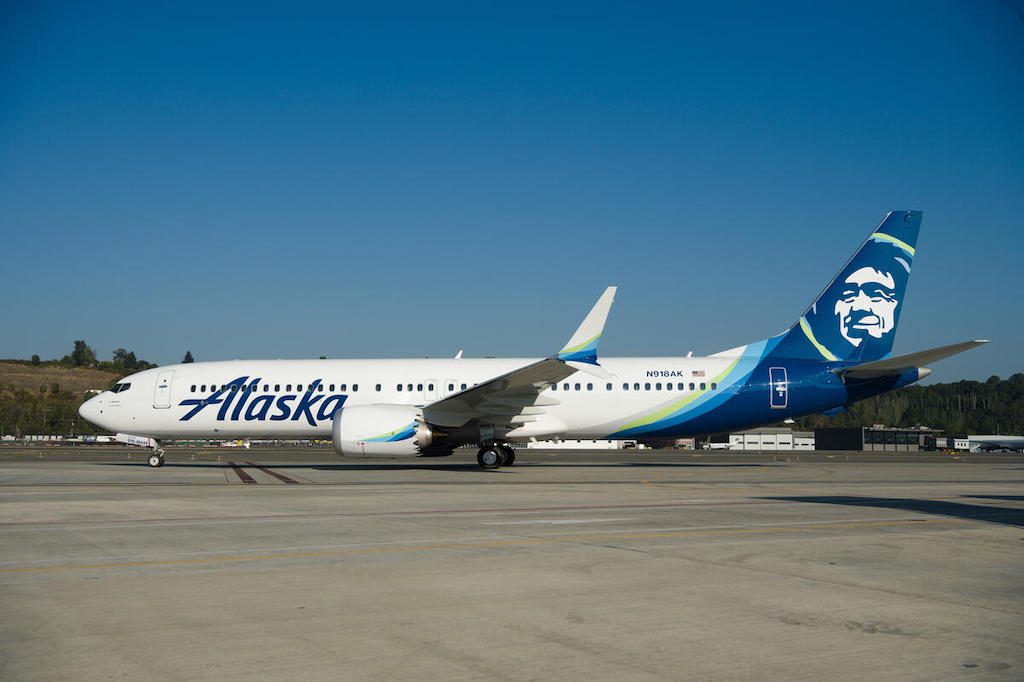
Photo Credit: Alaska Airlines is due to take delivery of its first 737 Max this weekend. Alaska Airlines / Courtesy of Alaska Airlines
Skift Take
Alaska was the first airline to officially throw its support behind Boeing's beleaguered 737 Max after the jet was ungrounded, with commitments for 36 more aircraft. But it was a long and winding road to that decision with the seed planted in its merger with Virgin America four years earlier.
December 14, 2016 was a momentous day for Alaska Airlines. The carrier closed its $2.6 billion acquisition of Virgin America, vaulting it ahead of fellow bidder JetBlue Airways to become the fifth largest airline by passengers in the U.S.
"Together, we'll offer more flights, with low fares, more rewards and more for customers to love,” said Alaska CEO Brad Tilden that day. “The two airlines may look different, but our core customer and employee focus is very much the same."
Veiled by the optimism of the day, was the seed of a strategic challenge for Alaska that would weigh on it in the years to come. Virgin, while having a complementary route network, was an all-Airbus A320 family operator whereas Alaska touted “proudly all Boeing” on the noses of its 150-plus 737 jets.
“The study and the work basically started the day after the merger,” Alaska senior vice president of fleet, finance & alliances Nathaniel Pieper told Skift in an interview. In other words, execu