
U.S. Airlines Add Untapped International Routes in Next Stage of Growth
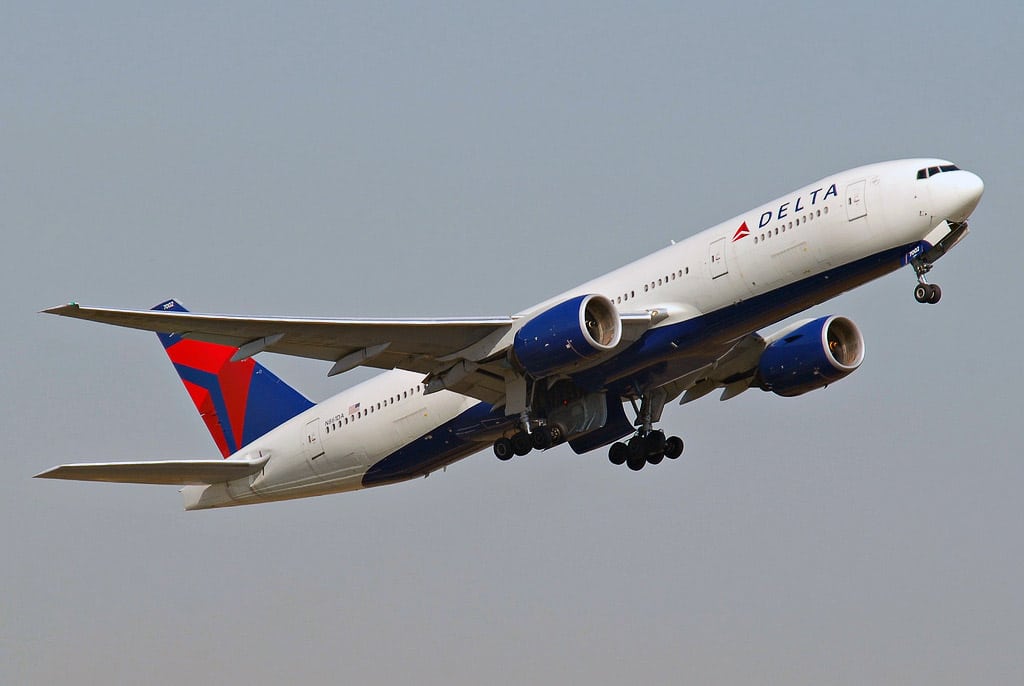
Photo Credit: Delta Air Lines will use a Boeing 777-200, like the one pictured here, to open a new route to Mumbai. Flickr / Aero Icarus
Skift Take
When U.S. airlines started making money again several years ago, they added flights to some of the biggest business destinations. But they have mostly filled in those gaps, so now they're taking chances on more unusual routes. Some will surely fail.
The U.S. airline industry is roughly seven years into one of the most profitable periods in its history, and with demand still booming, there's little sign it will end soon.
But have U.S. carriers run out of logical routes?
It may sound odd, with profits (and load factors) at near-record levels. But with airlines taking new planes and investors seeking growth, planners at U.S. carriers are under pressure to find new routes that someday will reap dividends. Since most cities that need service already have it, that's harder than it appears.
Domestic routes are less of an issue. Airlines seem confident they have room for new U.S. flights, adding capacity between hubs and small- and medium-size markets, such as Burbank, Calif.; South Bend, Ind.; Champaign, Ill.; and Rochester, Minn. Airlines cut flights in these cities during the Great Recession — a 2013 Massachusetts Institute of Technology study found carriers slashed 28 percent of flights at medium-size airport between 2007 a