
What This Tanzanian Preserve Can Teach Africa About True Conservation

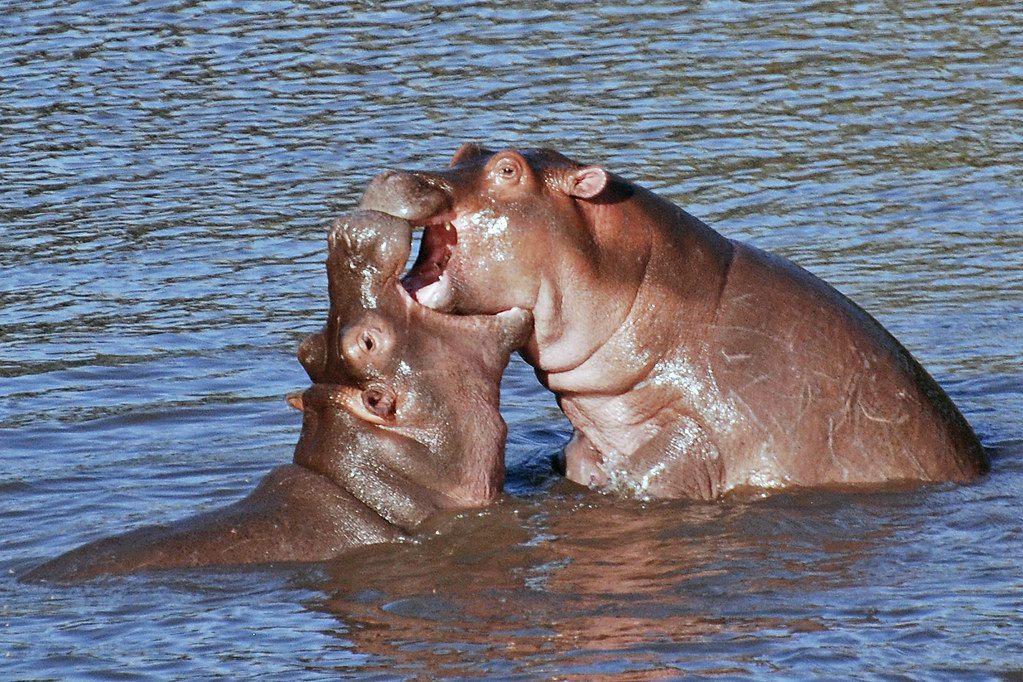
Photo Credit: Grumeti in Western Serengeti is making great strides with real conservation efforts. Visual Hunt / HBarrison
Skift Take
Conservation is too soft a word to describe the measures being taken to address the crisis facing land and wildlife in Africa. But the Grumeti Fund is an example of best-in-class anti-poaching. This, coupled with large-scale systemic change, education, and community empowerment, is the one-two punch that can counter the imminent dangers facing wildlife and ecology in Africa.

On Experience
Colin Nagy is a marketing strategist and writes on customer-centric experiences and innovation across the luxury sector, hotels, aviation, and beyond. You can read all of his writing here.
When talking about Africa, "conservation" is a word that often comes up. It’s a catchall that covers anti-poaching and preservation of wilderness. It's a vital part of the tourism discussion — and draw. But this word has become devoid of any meaning because it's trying to convey too much.
I just spent a few days in the Serengeti and can attest that this is too soft a word for what's happening on the ground. The truth is there’s a full-fledged crisis in land and animal destruction, and given the pace and scale of population growth in Africa, which is estimated to reach 4.4 billion people by 2100, the compounding effect (coupled with climate change) will lead to disaster.
Just as many advocate for sharpening the language around climate change — the Guardian in the United Kingdom changed its house style to read "climate crisis" — the same case can be made for Africa's habitat and wildlife loss.
Recently I saw one of the most high-functioning land preserves in Tanzania,