More Chinese travelers than ever before are traveling to the U.S. and Alitrip is looking to provide custom, mobile-booked itineraries through its relationship with North American hotels, airlines and tour operators. It helps that its parent company is the preeminent Chinese e-commerce giant Alibaba, giving them near-unlimited resources to compete in a crowded Chinese travel market.
Growth — albeit modest — is better than negative territory when it comes to business travel. But it's hard to get too excited about "stable and steady" progress.
The value of this meetings industry trends list over others is that it profiles the major macro level trends, versus all of the ancillary micro trends which stem from them.
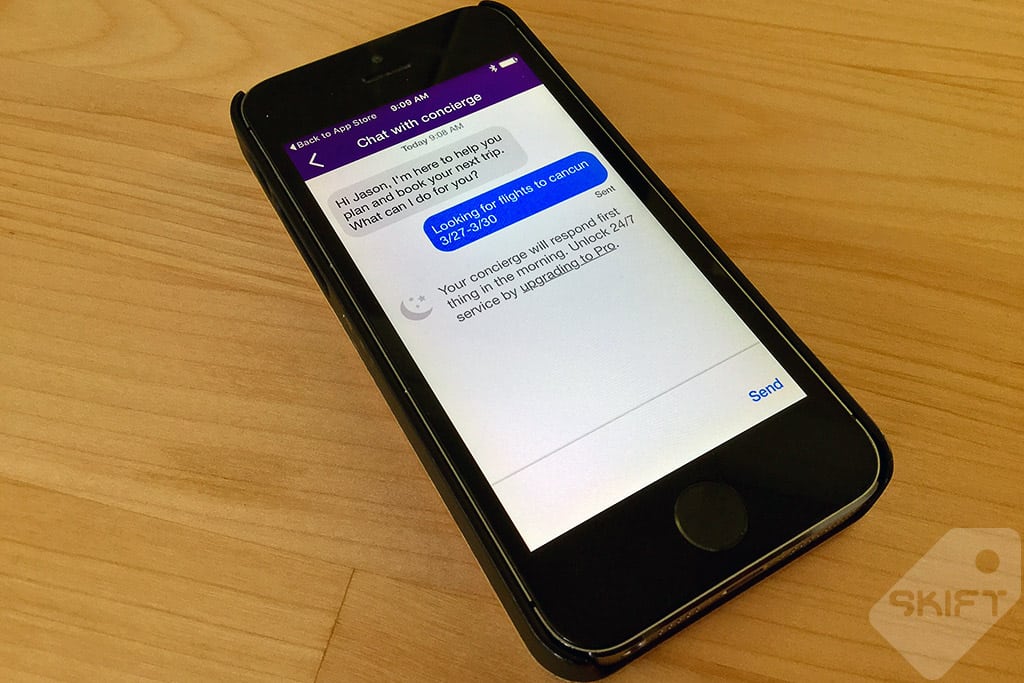
In airports and hotel lobbies, how many times have you heard throngs of travelers lamenting: "This app on my phone is wonderful, but if only it had access to real, human travel agents within it?" A new wave of travel startups is conjuring this image. Is it reality-based or wishful thinking? We'll see.
Travel agencies need to get younger, and more creative, if they're going to survive. For what it's worth, some agencies are doing what it takes protect themselves from the travel companies that want agents sliced out of the industry.
The Intel keynote at CES 2016 last week showed it's possible to keep audiences engaged for long periods of time by blending live experiences and virtual content with next generation technology.