After years of hype, hospitality and travel companies are now delivering real added value for consumers by integrating artificial intelligence into online search and booking platforms.
Chinese New Year is big business for the travel industry. The country's travelers are expected to take more than three billion trips during this year's festivities.
A lot of public companies are actively wondering how they will counter an onslaught if they become a target of the new administration in Washington. It's therefore a fairly gutsy act when companies ranging from Expedia to Celebrity Cruises stick their proverbial necks out.
One of the dirty "secrets" of digital advertising is that companies like Google, Facebook and Microsoft purchase ads on their own platforms, essentially competing with other buyers for the top placements. The news should give any marketer spending top dollar to try and earn high-ranking search results cause for concern.
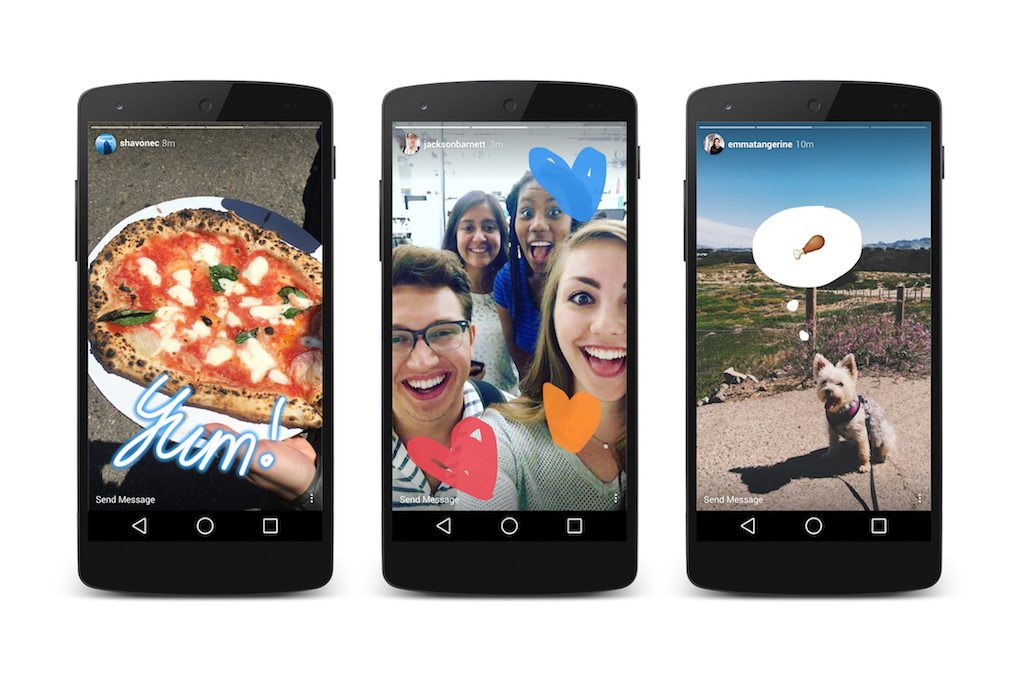
Between their digital advertising tools and deep knowledge of consumers, there's virtually no tech company on earth (other than Google) that can match Facebook and Instagram. The launch of Instagram's new "Stories" feature should make advertising competitor Snapchat very afraid.
Wearable technology offers plenty of upsides for travel brands. But it also involves lots of complex, behind-the-scenes moving pieces to make it run smoothly. Assuming they can pull off the logistics, Carnival's Ocean Medallion program seems like a good move both for passengers and the company's bottom line.
In mid-2015 Kayak opted to go dark on U.S. TV and to put more investment into broadcast advertising in Europe. Companies have to make such hard choices sometimes. Kayak's Hafner claims, however, "the sky didn't fall" in the U.S., although one could surmise that Google Flights is "knock-knock-knockin' on heaven's door."